 EN
EN
 English
 日本語
日本語 Español
 Deutsch
 عربى
عربى
A 25 kg bag of flour that fails at the seam, absorbs moisture in a warehouse, or lets in pantry moths can cost a bakery far more than the packaging itself. Whether you buy flour in 1 kg retail pouches or 50 kg industrial sacks, the bag is the first and often only barrier between mill-fresh quality and a rejected delivery. This guide explains what actually matters in a bag of flour, from moisture and oxygen control to puncture resistance and supplier economics, so you can specify packaging that protects both the product and your margin.
The bottom line: flour is a low-value, high-volume product, so packaging must be cost-efficient, strong enough for stacking, and barrier-protective enough to prevent moisture migration and insect ingress. The best format depends on fill weight, distribution channel, and shelf-life target, not on a single best material.
Content
- 1 What a Bag of Flour Actually Demands from Packaging
- 2 Barrier, Strength, and Food Safety: The Material Fundamentals
- 3 Retail vs. Bulk: Matching Bag Format to Fill Weight
- 4 The Hidden Metrics That Decide Flour Shelf Life
- 5 Where Flour Packaging Demand Sits in the Market
- 6 Cost, MOQ, and Supplier Selection: A Practical ROI View
- 7 Maintenance, Compliance, and Long-Term Packaging Stability
- 8 Bringing It Together: A Reliable Flour Bag Specification
What a Bag of Flour Actually Demands from Packaging
Flour is hygroscopic, meaning it pulls moisture from the air. A small increase in moisture content can cause caking, mold growth, and a loss of baking performance. It also readily absorbs odors, which is why printed inks, adhesives, and recycled materials must be food-safe and low-odor. Finally, fine flour particles are abrasive and fluid-like: they can sift through poor seals, clog filling equipment, and create dust that demands clean, tight bag construction.
Those characteristics translate into four non-negotiable packaging requirements:
- Moisture and oxygen barrier to prevent caking, mold, and rancidity of whole-grain flour.
- Puncture and tear resistance for handling, stacking, and pallet shrink-wrap abrasion.
- Food-contact compliance for the full structure, including inks and adhesives.
- Reliable seal integrity across the filling line, transport, and retail shelf.
For large industrial bags, the biggest risk is often mechanical failure at the bottom seal or valve. For retail pouches, the challenge shifts to barrier retention, print quality, and consumer convenience, such as resealability or easy-pour features. A spec that works for 1 kg retail flour rarely works for 25 kg bulk flour without changes to film gauge, seal width, and bag construction.
Barrier, Strength, and Food Safety: The Material Fundamentals
Most flour packaging uses one of three families: paper-based structures, plastic film laminates, or multi-layer coextruded films. Paper offers a natural look and breathability, but it needs an inner liner or coating to stop moisture and sifting. Plastic laminates with metallized or aluminum foil layers deliver high moisture and oxygen barrier, while multi-layer coextruded films balance barrier, toughness, and recyclability in a single structure.
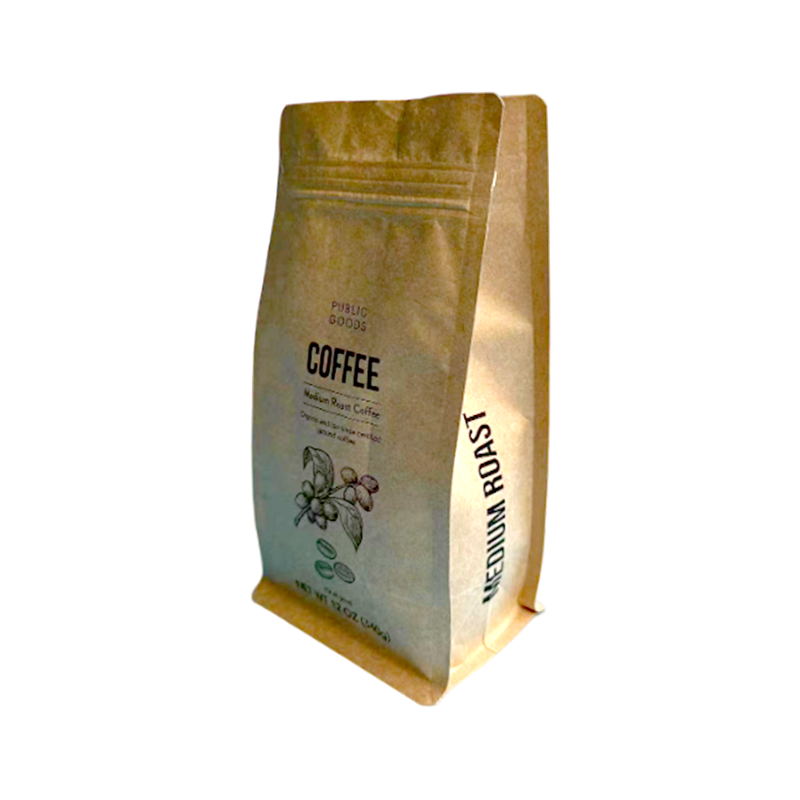 Tough, durable, breathable, tear-resistant Degradable Kraft Paper PouchThe kraft paper degradable bag is made of natural kraft paper, which is environmentally friendly and degradable, in line with the trend of green packaging. At present,...View Product →
Kraft paper pouches with a functional inner layer are a common fit for retail flour because they combine a traditional milling look with a moisture barrier and tear resistance. For higher barrier needs, such as whole wheat or specialty flours, a metallized or foil layer can extend shelf life significantly.
Barrier
WVTR below 5 g/m2/24h is a practical target for dry flour at 12-month shelf life; whole-grain flour also benefits from an oxygen barrier to slow rancidity.
Strength
Dart impact and tensile strength matter for 10-25 kg fills; a 25 kg bag needs a film gauge and seal geometry tested at that weight, not extrapolated from small pouches.
Seal integrity
Flour dust can contaminate sealing areas. Specify a seal width and temperature window that tolerate minor product dust without channel leaks.
Retail vs. Bulk: Matching Bag Format to Fill Weight
Fill weight drives bag format more than any other variable. A 1 kg flour bag is handled by consumers and shipped in display cases, while a 25 kg bag is palletized, forklifted, and often dropped. The comparison below sets common formats against practical requirements.
Format selection should start with fill weight, then check barrier, seal, and handling requirements in that order.
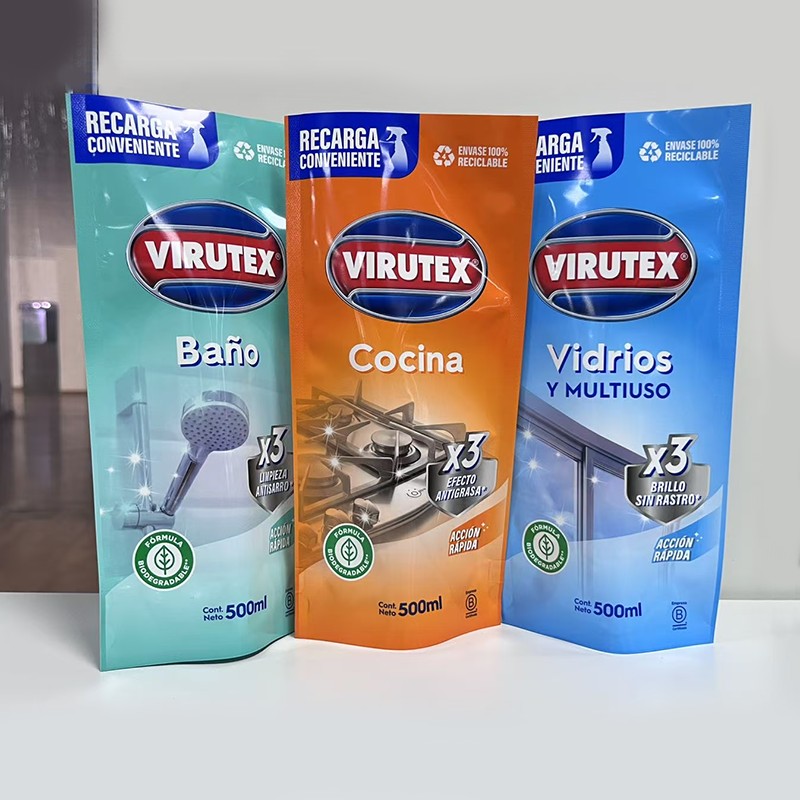
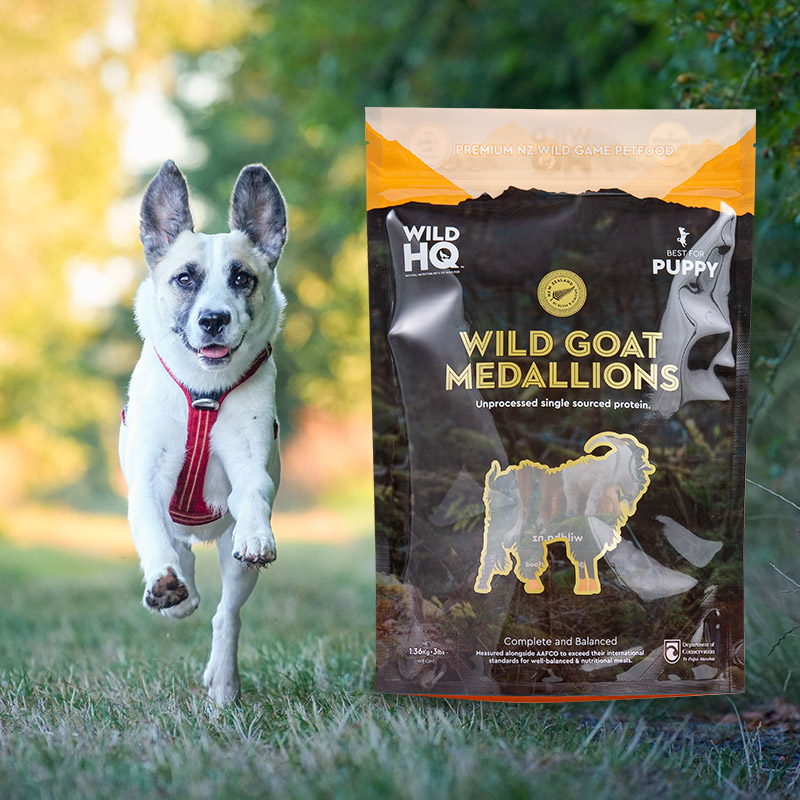
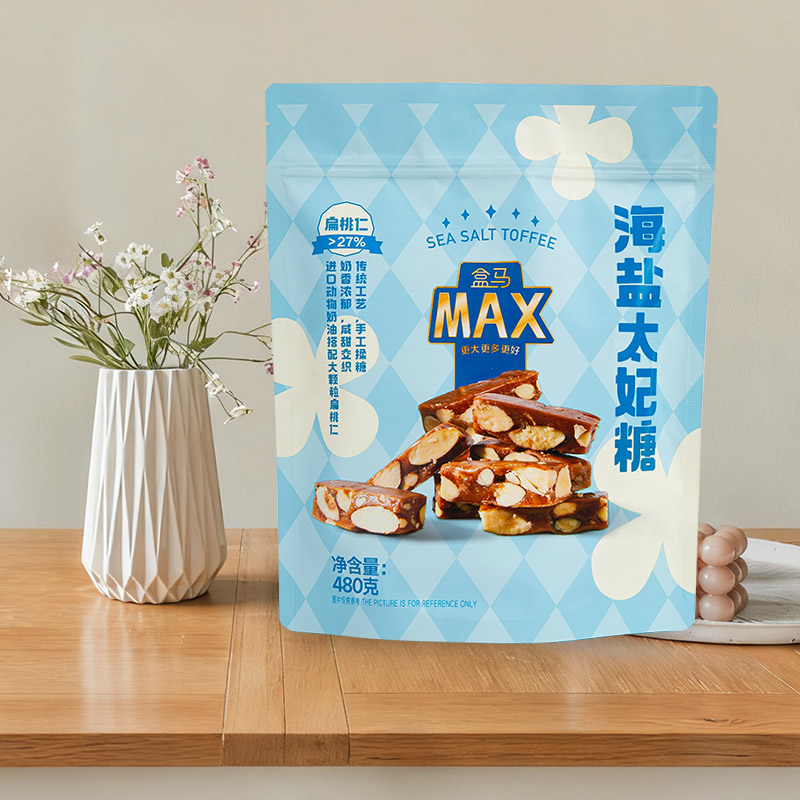
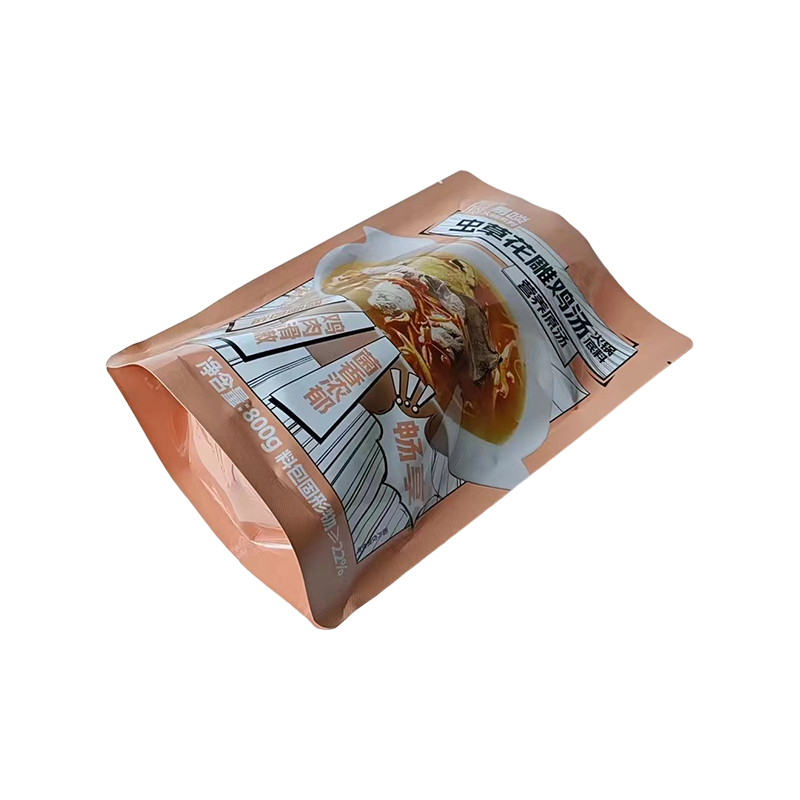 Moisture-Proof Universal Stand-Up PouchStand-Up Pouch is a flexible packaging bag with a bottom support structure. It is widely used in food, daily chemicals, medicine and other industries due to its unique...View Product →
A moisture-proof stand-up pouch is often the fastest way to move from a basic flour bag to a retail-ready package that resists humidity and keeps the product free-flowing. For bulk formats, the priority shifts to seal strength, valve design, and pallet stability.
The Hidden Metrics That Decide Flour Shelf Life
Buyers often compare price per bag, but three hidden metrics determine whether that low price is real. The chart below shows the relative impact of common failure modes observed in flour packaging trials and field returns.
Seal failure
Moisture ingress
Puncture
Odor transfer
Print rub-off
Relative frequency of flour packaging complaints, based on typical B2B quality feedback patterns. Seal failure and moisture ingress usually cost the most because they affect the entire pallet.
Seal failure often traces back to filling-line dust, worn sealing jaws, or a film structure that was never tested at the actual fill weight. Moisture ingress is usually a barrier calculation error: a 50 g/m2/24h WVTR film may be fine for 6 months in a dry climate but inadequate for 12 months in a humid warehouse. Puncture resistance is a mechanical property, not a barrier property, and it is frequently ignored until the first pallet corner rips.
Where Flour Packaging Demand Sits in the Market
Flour packaging is not a single market. Retail flour, food-service flour, and industrial bakery flour have different buyers, shelf-life expectations, and regulatory pressures. The pie chart below illustrates a typical demand split for flexible flour packaging by end use.
Retail consumer flour: 42%
Food service and bakery: 26%
Industrial and further processing: 18%
Specialty and export: 14%
Approximate demand distribution for flexible flour packaging by application. Retail formats demand print quality and convenience; industrial formats demand strength and cost efficiency.
Retail flour brands compete on shelf appearance, so printing, matte or gloss finish, and reclosability carry real weight. Food-service buyers care about fast filling, stackability, and consistent bag dimensions. Industrial users prioritize cost per ton, seal reliability at high speeds, and compliance with food-contact standards.
Cost, MOQ, and Supplier Selection: A Practical ROI View
Packaging cost is not the unit price alone. A bag that saves 0.02 USD but fails at a 1% rate can erase the savings through product loss, rework, and customer complaints. Use the following steps to evaluate a flour bag supplier on total cost of ownership.
- Define the fill weight, shelf-life target, and distribution climate before requesting samples.
- Ask for a full structure specification: layer materials, thickness, WVTR, OTR, seal strength, and food-contact compliance.
- Request pilot runs at your actual filling speed and with your actual flour, not a lab simulant.
- Validate print durability with rub tests, especially for retail bags that face shelf handling and shipping abrasion.
- Compare MOQ against your true annual volume; low-MOQ digital printing can reduce inventory risk for specialty flours.
- Audit quality control documentation and incoming material traceability before signing a long-term agreement.
For specialty or seasonal flour products, digital printing with low minimum order quantities can be more economical than offset-printed bags that require large inventory. For commodity flour, the opposite is usually true: higher volumes justify traditional printing and dedicated film structures that optimize material usage.
If your specification includes sustainability claims, review eco-friendly packaging selection before committing to a material.
Quality control is the other half of supplier selection. A supplier with documented quality control protocols can catch seal strength deviations, film gauge errors, and print defects before they reach your filling line.
Maintenance, Compliance, and Long-Term Packaging Stability
Even a well-specified flour bag can drift out of compliance if storage and maintenance are overlooked. Flour bags should be stored in a dry, pest-controlled area away from strong odors and direct sunlight. Film rolls and finished bags have a shelf life of their own; adhesives and treated surfaces can lose performance after prolonged exposure to heat or humidity.
On the filling line, check seal jaws for wear, buildup, and temperature uniformity at every changeover. Flour dust is abrasive and can gradually damage sealing surfaces, causing micro-leaks that only appear after palletizing. For compliance, keep current food-contact declarations, migration test reports, and material safety data sheets on file for every structure you use. If you export to multiple regions, verify that the same bag meets each destination's food-contact and labeling rules, because a structure approved in one market may not satisfy another.
Finally, document the approved specification and treat any change, whether a new film supplier, a thinner gauge, or a different ink, as a new validation. In flour packaging, small material substitutions often create large field failures because the product is unforgiving of moisture and mechanical stress.
Bringing It Together: A Reliable Flour Bag Specification
A reliable bag of flour starts with the fill weight and works backward through barrier, strength, seal, print, and compliance. Retail formats benefit from high-quality printing and moisture-proof stand-up pouches, while bulk formats depend on heavy-duty films, wide seals, and tested valve or open-mouth designs. The right supplier will ask about your filling line, storage climate, and shelf-life target before quoting a price.
When those variables are clear, packaging becomes an engineering decision rather than a commodity purchase. That is how you protect flour from moisture, pests, and handling damage while keeping cost per ton under control.