 EN
EN
 English
 日本語
日本語 Español
 Deutsch
 عربى
عربى
Content
Introduction to Eco-Friendly Packaging Bags
Eco-friendly packaging bags are designed to minimize environmental impact while providing durable and practical solutions for product storage and shipping. These bags are typically made from recyclable, biodegradable, or compostable materials, offering businesses a sustainable alternative to conventional plastic packaging. Choosing the right type of bag ensures product protection, customer satisfaction, and alignment with sustainability goals.
Types of Eco-Friendly Packaging Bags
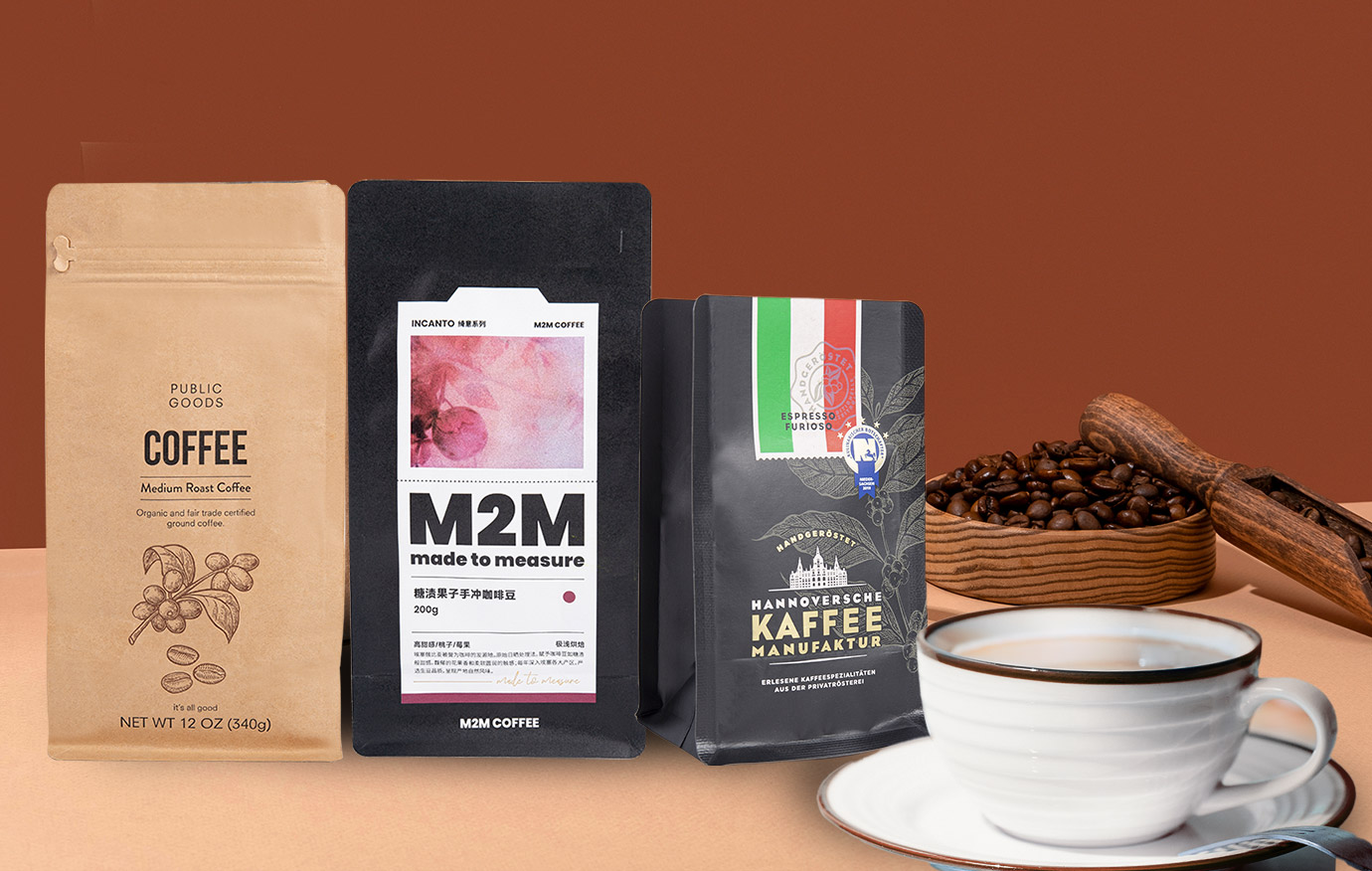
Understanding the different types of eco-friendly packaging bags is crucial for selecting the right option for your products. Each type has unique features, advantages, and ideal applications.
Recyclable Plastic Bags
Recyclable plastic bags are made from materials that can be processed and reused, reducing waste. They are durable, lightweight, and suitable for a variety of retail and shipping applications. These bags are ideal for businesses seeking a cost-effective eco-friendly solution without compromising functionality.
Biodegradable Bags
Biodegradable bags break down naturally over time through exposure to microorganisms. They are typically made from plant-based polymers such as cornstarch or PLA. These bags are suitable for products with short-term storage needs and for brands emphasizing environmentally responsible packaging.
Compostable Bags
Compostable bags are designed to decompose completely into non-toxic components when placed in industrial or home composting systems. They are highly suitable for food packaging, organic products, and environmentally conscious brands aiming to achieve zero-waste packaging goals.
Key Factors to Consider When Choosing
Selecting the right eco-friendly packaging bag requires careful consideration of product type, weight, storage conditions, and brand image. Several critical factors influence the decision-making process.
Material Compatibility
The bag material must be compatible with the product being packaged. For example, moisture-sensitive products may require biodegradable bags with a moisture barrier, while heavy items need strong recyclable plastics or reinforced compostable materials.
Durability and Strength
Durability is essential for preventing tears and leaks during handling and shipping. Evaluate the tensile strength and thickness of the bag to ensure it can safely carry the product weight without compromising eco-friendliness.
Cost and Budget Considerations
Eco-friendly packaging options vary in cost. Recyclable plastic bags are generally more affordable, while compostable or biodegradable bags may be slightly higher in price. Balancing budget with environmental responsibility is key to selecting the most practical option.
Comparison of Common Eco-Friendly Packaging Bags
| Bag Type | Material | Best For | Environmental Benefit |
|---|---|---|---|
| Recyclable Plastic | PET, HDPE, LDPE | Retail products, shipping bags | Reduces waste by enabling material reuse |
| Biodegradable | PLA, starch-based polymers | Short-term storage, lightweight products | Breaks down naturally over time |
| Compostable | PLA, cellulose, bagasse | Food products, organic goods | Fully decomposes into non-toxic components |
Conclusion
Choosing the right eco-friendly packaging bag involves balancing product requirements, durability, cost, and environmental impact. Recyclable, biodegradable, and compostable options provide sustainable solutions for different applications. By carefully evaluating material compatibility, strength, and intended use, businesses can select packaging that protects their products while supporting sustainability goals and enhancing brand reputation.