 EN
 English
 日本語
 Español
 Deutsch
 عربى

The short answer: cold seal adhesive is a pressure-activated cohesive coating, not a general-purpose glue. It works when the coating bonds to itself under pressure, so the real decision is not just “cold seal or heat seal” but whether the base web, coating pattern, product, and packing line can hold a stable pressure-only seal.
Picture a snack bar wrapper running at high speed. The film is printed, the cold seal is pattern-applied, and the fin seal closes with pressure rather than a hot bar. If the coating weight drifts or the ambient humidity changes, the wrapper may look perfect on the roll and still fail at the seam. That is why cold seal adhesive projects usually succeed or fail on specification discipline, not on the adhesive name alone.
Cold seal is often chosen for heat-sensitive products, thin films, and lines where added heat creates wrinkle, distortion, or energy cost. It is less suitable when the package needs a strong peelable heat seal, heavy contamination tolerance, or a bond to many different surfaces.
Content
- 1 What Cold Seal Adhesive Actually Does on a Packaging Line
- 2 Cold Seal vs Heat Seal: The Practical Comparison
- 3 The Hidden Metrics: Blocking, Humidity, and Coat-Weight Drift
- 4 Where Cold Seal Adhesive Fits Best
- 5 Selection Path: From Brief to Validated Seal
- 6 Maintenance and Compliance Checks That Protect the Seal
- 7 What to Put in the Specification
What Cold Seal Adhesive Actually Does on a Packaging Line
A cold seal adhesive is usually applied in a pattern, often to the areas that will meet when the package is closed. The coated surfaces are brought together under pressure, and the adhesive bonds to itself. It does not rely on a hot seal jaw to melt a polymer. That distinction matters because the seal strength depends on coating weight, web tension, pressure, dwell time, and the condition of the coating surface.
Cohesive bond
The coating sticks to itself, not to the product. That is why pattern placement and registration are part of the seal design.
Pressure window
Too little pressure gives a weak or partial seal. Too much pressure can squeeze the coating and create blocking or wrinkling.
Substrate fit
OPP, PET, paper, metallized film, and selected PE structures behave differently. The coating must match the web and the converting process.
Many commercial cold seal coatings are applied in the low single-digit to mid-single-digit grams per square metre dry range, but the workable window is supplier-specific. A converter may adjust coat weight to improve seal strength, only to find that the roll now blocks in storage. The practical tolerance is therefore not one number; it is a validated range proven on the actual film, printing ink, and packing machine.
- Check seal strength on the finished roll, not only on a lab-coated sample.
- Record pressure, dwell, line speed, and web tension during the trial.
- Age the sample under expected humidity and temperature before approving the specification.
Cold Seal vs Heat Seal: The Practical Comparison
The comparison is rarely about which seal is “better”. It is about which seal matches the product, the web, and the line. A bakery wrapper and a retort pouch may both need a strong closure, but they do not need the same sealing method.
A common mistake is to approve cold seal because it lowers energy use, then discover that the coating pattern is too close to the cut edge or that the film blocks on the unwind. Heat seal has its own risks, including seal-through contamination and jaw marks, but those risks are usually easier to see on the line. Cold seal problems often appear later, after the rolls have been stored or shipped.
The Hidden Metrics: Blocking, Humidity, and Coat-Weight Drift
Cold seal adhesive is water-based in many systems, so humidity control is not a background detail. High humidity can make the coating tacky on the roll, while low humidity can reduce flexibility. The result may be blocking, noisy unwind, or a seal that reads weak on one shift and strong on another. The chart below is an example qualification weighting for a cold-seal trial, not a market statistic.
Coat-weight drift is especially expensive because it can hide inside a good-looking roll. A converter may increase coating to fix a weak seal, then create blocking at the core. The better approach is to define a target coat weight, a lower control limit, and a roll-release test that reflects the customer’s packing machine. If the customer runs a vertical form-fill-seal line, test on that geometry rather than a flat laboratory press.
Also watch the interaction between cold seal and printing. Heavy ink coverage, solvent retention, and slip additives can change surface energy and tack. A coating that passes on an unprinted film may fail beside a dark printed panel or a matte varnish. That is why a trial should use production print, not blank stock.
Where Cold Seal Adhesive Fits Best
Cold seal is most comfortable where the product is sensitive to heat, the pack is produced at high speed, and the sealing area can be pattern-coated. Confectionery and snack wrappers are classic examples because the film is often thin and the product can be damaged by hot jaws. Bakery items, medical paper or film packs, frozen foodservice items, and pet treat wrappers can also be candidates, provided the base web and product are compatible. The pie chart below is a planning view of common cold-seal briefs in a flexible packaging sample room, not a claim about total market share.
- 35% confectionery and snack wrappers
- 20% bakery and dry food
- 15% medical and hygiene packs
- 15% frozen food and foodservice
- 10% pet treats and specialty items
- 5% other industrial or protective uses
For a snack brand testing a smaller launch, the commercial format may be a pre-made pouch rather than a cold-seal flow wrap. In that case, the base film, print method, and closure style are separate decisions. SC Shanghai’s vibrant-color digital-print snack bag is one example of a low-MOQ format that can support early-stage market testing before a larger cold-seal line trial.
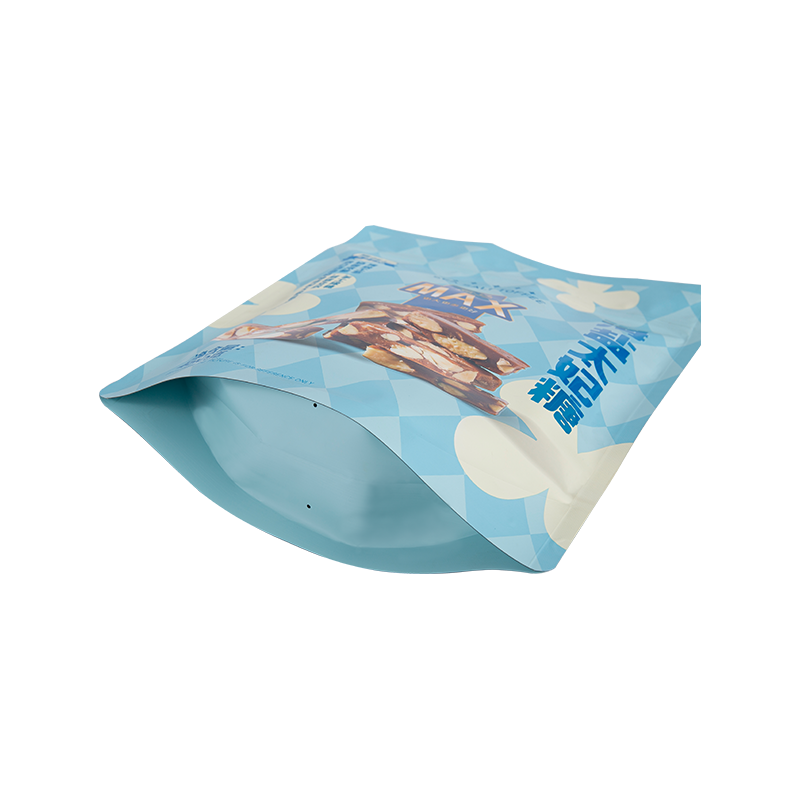 Vibrant Color Digital-Print Low-MOQ Snack PouchA low-MOQ digitally printed snack pouch for early market tests, with small-batch customization and high-resolution graphics before scaling to a cold-seal line.View Product →
Cold seal changes the closure, not the barrier duty. Frozen food still needs a base web that survives low temperature, puncture, and moisture. A low-temperature PA/PE thermoforming film is a relevant reference point when the pack format uses a forming web rather than a flow-wrap film.
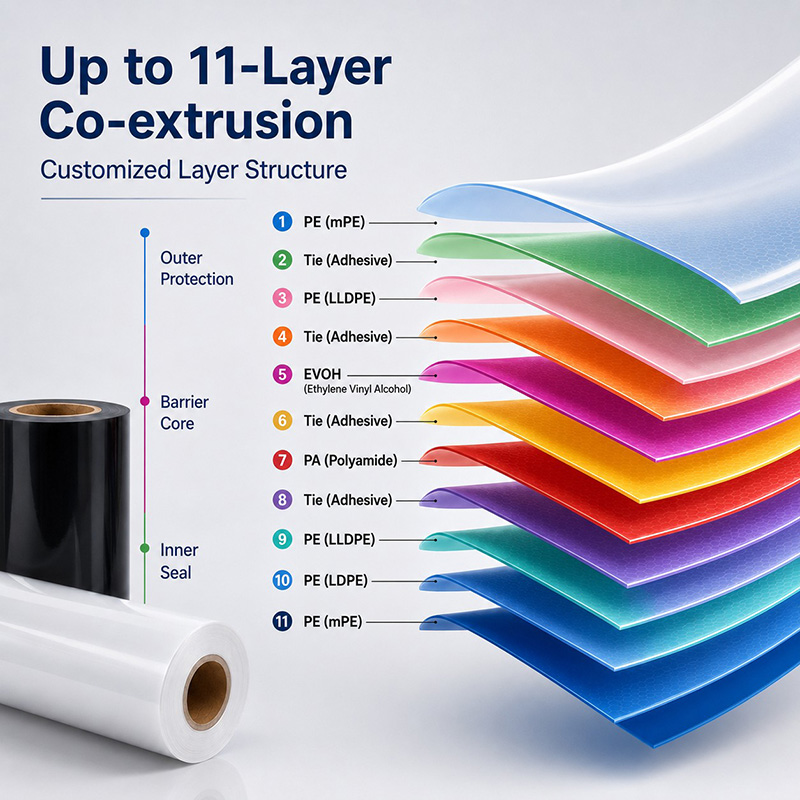 Low-Temperature PA/PE Thermoforming Film for Frozen FoodA forming-web film for frozen packs that needs low-temperature flexibility, puncture resistance, and reliable heat seals when the format is not a cold-seal flow wrap.View Product →
Selection Path: From Brief to Validated Seal
The cheapest way to evaluate cold seal adhesive is to treat it as a four-step qualification, not a one-off price comparison. The ROI case usually comes from line speed, energy reduction, package weight, and scrap, but those gains disappear if the seal fails in transit.
Step 1: Define the pack
Specify product weight, distribution temperature, shelf life, opening force, and whether the seal should be peelable or permanent.
Step 2: Fix the base web
Confirm barrier, stiffness, print surface, and coating compatibility before comparing adhesive samples.
Step 3: Run production trials
Test the intended pressure, dwell, speed, and pattern. Record the window where the seal is strong without blocking.
Step 4: Validate aging and transit
Age rolls and finished packs under realistic humidity, then run drop, compression, and vibration checks.
A cold seal project should compare total cost, not adhesive cost per kilogram. Include coating loss, setup scrap, line downtime, energy, and the cost of a failed pallet. If the line runs multiple products, check whether one coating can cover the range or whether changeovers will erase the savings.
Maintenance and Compliance Checks That Protect the Seal
Cold seal adhesive rewards routine control. Store coatings within the supplier’s stated temperature range, avoid freezing, and use first-in, first-out stock. Keep the coating area clean and control humidity in printing, coating, and winding. A coating that is left on a chilled roll or exposed to a humid weekend can behave differently on Monday morning.
- Check coat weight and pattern registration at the start and end of each roll.
- Monitor blocking, unwind tension, and seal strength during storage trials.
- Keep records of pressure, dwell, line speed, and ambient conditions.
- Confirm food-contact compliance and migration status for the intended use.
- For medical or sterile-barrier packs, verify the applicable sterilization and validation requirements before adopting a coating.
Compliance is not only a paper exercise. The adhesive must be legal for the intended food contact or medical use, and the finished pack must still meet its barrier and seal claims after aging. A documented quality-control routine should tie incoming coating, in-process coat weight, and final seal tests together. Without that link, a supplier can pass a certificate test and still ship rolls that fail on a customer’s line.
What to Put in the Specification
A usable cold seal adhesive specification should name the base web and coating weight range, the pattern position, the target seal strength, the acceptable blocking limit, and the aging conditions. It should also define the packing machine window, including pressure, dwell, and speed. If those items are missing, the buyer is not specifying a seal; they are only specifying a chemical.
Cold seal can be a strong fit for heat-sensitive, high-speed flexible packaging, but it is a system decision. Start with the product and the line, prove the pressure-only seal on production materials, and keep humidity and coat weight under control. That approach costs less than discovering a hidden blocking problem after the pallet has left the warehouse.