 EN
EN
 English
 日本語
日本語 Español
 Deutsch
 عربى
عربى
Content
- 1 Why Salad Dressing Packaging Needs a Different Set of Priorities
- 2 Salad Dressing Packaging Formats Compared
- 3 Film Materials That Protect Oil and Flavor
- 4 When a Spout Pouch Makes More Sense Than a Bottle
- 5 Matching the Package to Your Dressing Formula
- 6 Printing and Branding Options for Dressing Pouches
- 7 Practical Steps Before You Commit to a Structure
Why Salad Dressing Packaging Needs a Different Set of Priorities
A salad dressing is not a static liquid. It contains oil, water, acid, emulsifiers, and often particles such as herbs, garlic, or cheese. Each ingredient affects the package: the oil phase oxidizes, the acid phase can interact with sealant layers, and suspended particles change how the product flows through a spout or nozzle. That is why the first packaging decision for a dressing brand is not decoration but the film structure.
For most growing dressing brands, a flexible pouch with a high-barrier film and a fitted spout offers the best practical balance of cost, shelf life, and convenience. It is lighter than glass, cheaper to ship than rigid bottles, and the barrier can be tuned to the fat content of the recipe. The sections below walk through the format options, film materials, and selection criteria that determine whether a package survives real-world contact with the product.
Salad Dressing Packaging Formats Compared
Five formats cover the great majority of salad dressing products on the market. The right choice depends on serving size, viscosity, and the retail or foodservice channel the product is sold through.
| Format | Best suited for | Main advantages | Watch out for |
|---|---|---|---|
| Bottles (PET, PE, glass) | Creamy retail dressings, large volumes | Familiar to consumers, easy pouring | Heavier freight, more material per unit |
| Sachets and stick packs | Single-serve foodservice, condiment kits | Low unit weight, precise dosing | Small print area, needs high-speed filling |
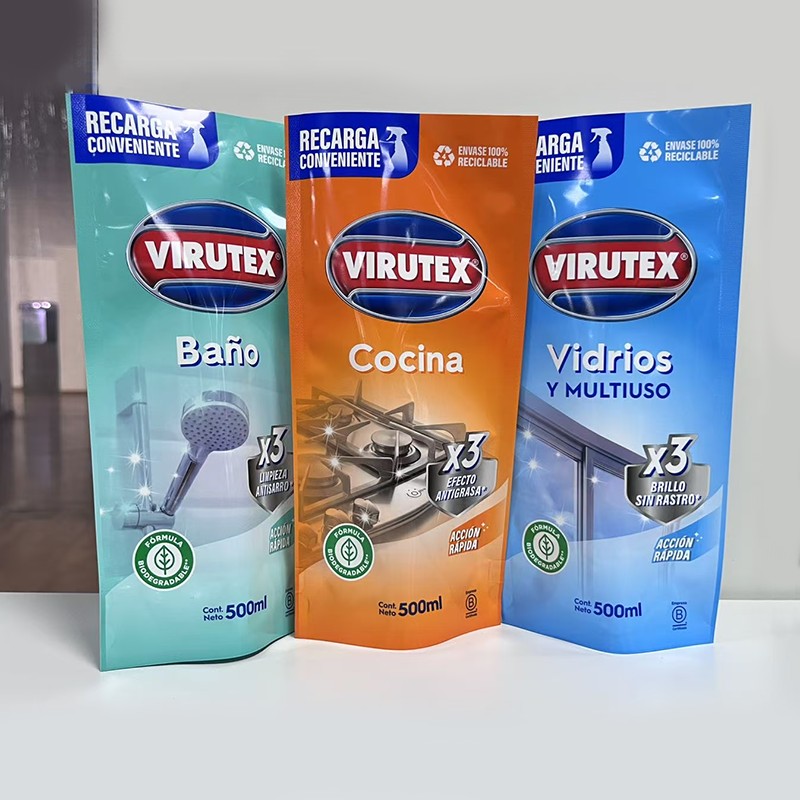
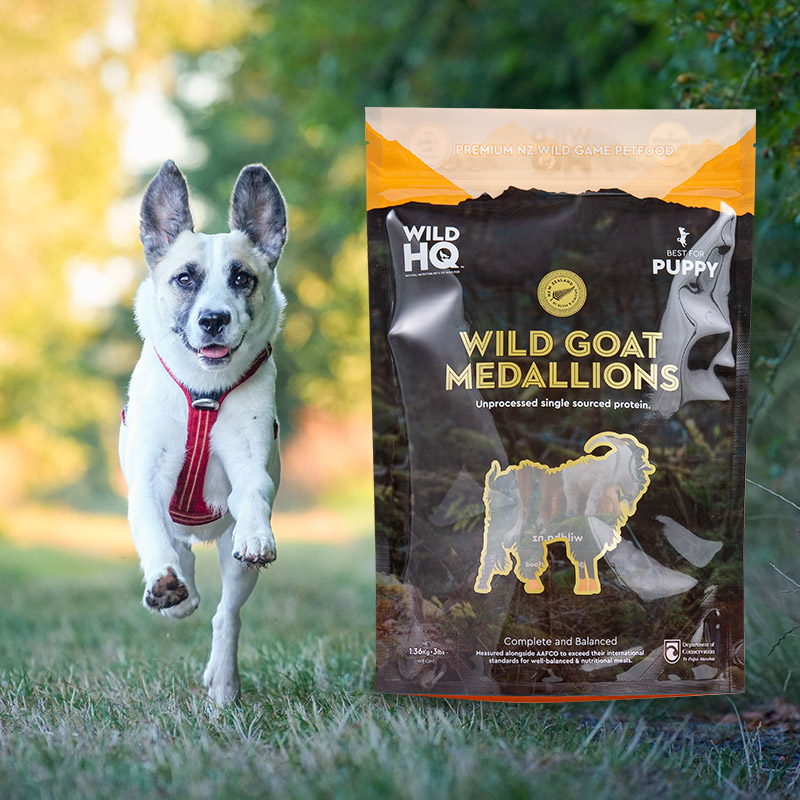
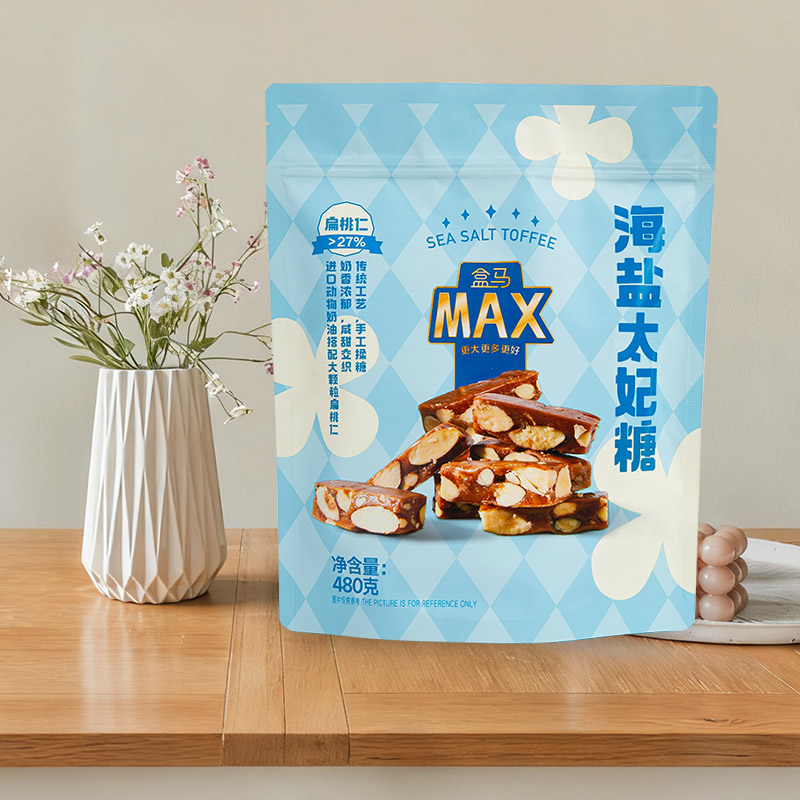
| Stand-up pouches | Thick dressings, squeeze or spoon use | Large print area, space efficient | Requires strong seals for oily products |
| Spout pouches | Pourable vinaigrettes and thin dressings | Reclosable, controlled pouring, light | Spout adds cost, needs clean filling |
| Cups and tubs | Deli portions, catering, meal prep | Easy to open, large servings | Higher material use, shorter shelf life if not well sealed |
Bottles still dominate retail because of habit, but flexible formats have been taking share in foodservice and e-commerce channels where freight weight and storage space are direct costs.
Film Materials That Protect Oil and Flavor
Shelf life is largely determined by oxygen and light exposure. When the oil phase oxidizes, the product develops rancid notes and the color of herbs or spices fades. The film structure, not the bag style, decides how fast that happens.
Barrier Layers That Keep Oxygen and Light Out
- PE and PP sealant layers provide heat sealability, moisture barrier, and oil resistance. The layer that contacts the dressing must tolerate both fat and acid over the intended shelf life.
- PET adds stiffness and print quality and contributes a moderate oxygen barrier. It is commonly used as the outer layer.
- Nylon (PA) gives puncture resistance and toughness for structures that see rough handling in transit.
- Aluminium foil remains the benchmark oxygen, light, and aroma barrier. It is the preferred choice when the recipe is preservative-free or the target shelf life is long. Read more about the role of aluminium foil in food packaging bags.
- Metallized film offers a lighter alternative to foil with strong barrier performance, though slightly below foil in absolute terms.
Sealant Layers That Survive Contact With Oil
For dressings with high oil content, the sealant must also resist oil wicking at the seal area. A poorly matched sealant can delaminate or leak after weeks of contact with the emulsion. Testing the actual formula in the chosen film before committing to a production order is not optional.
When a Spout Pouch Makes More Sense Than a Bottle
For pourable dressings, a spout pouch replaces the rigid bottle with a flexible body and a molded spout. The practical advantages are measurable: empty pouches ship flat, which cuts storage and transport volume; the package weighs less, reducing per-unit freight; and consumers can dispense a controlled amount without a separate measuring device.
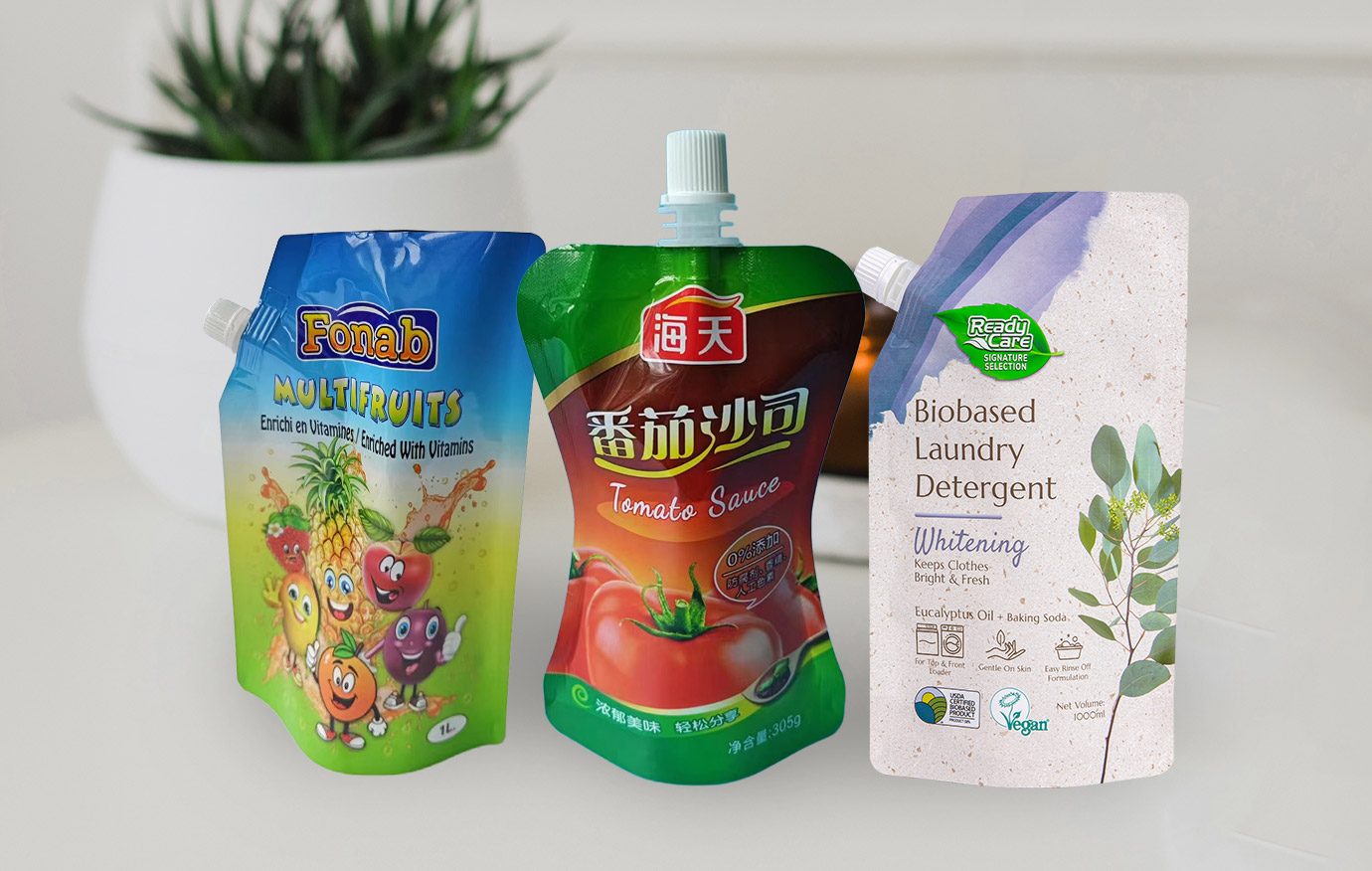
The spout seal is the critical detail. A high-sealing sauce spout pouch is engineered for oil-based liquids that would otherwise creep along the seal and cause leakage, making it a natural match for creamy dressings and emulsion-based sauces. For thinner vinaigrettes, a lightweight and durable drink spout pouch provides the same convenience with a lower material weight. And for thick, spoonable dressings where a spout adds little value, a moistureproof universal stand-up pouch is often the simpler and more economical route.
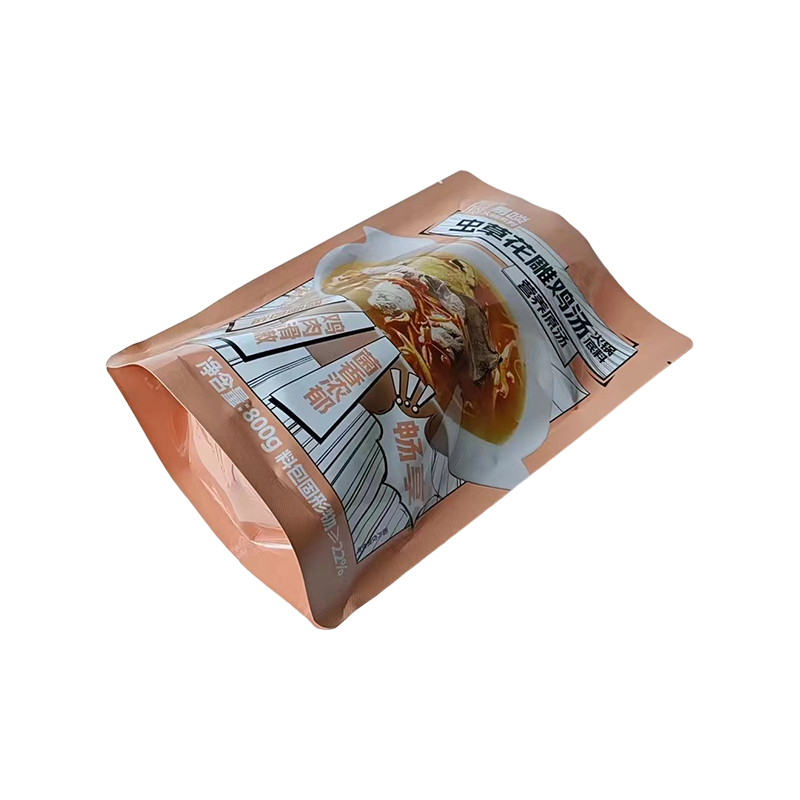 Wholesale Moisture-Proof Universal Stand-Up Pouch Suppliers, Company - SC ShanghSC Shanghai - China Moisture-Proof Universal Stand-Up Pouch Suppliers and Company, Wholesale Moisture-Proof Universal Stand-Up Pouch, Sta...View Product →
 Wholesale Lightweight and durable Spout Pouch Drink Bag Suppliers, Company - SC SC Shanghai - China Lightweight and durable Spout Pouch Drink Bag Suppliers and Company, Wholesale Lightweight and durable Spout Pouch Dr...View Product →
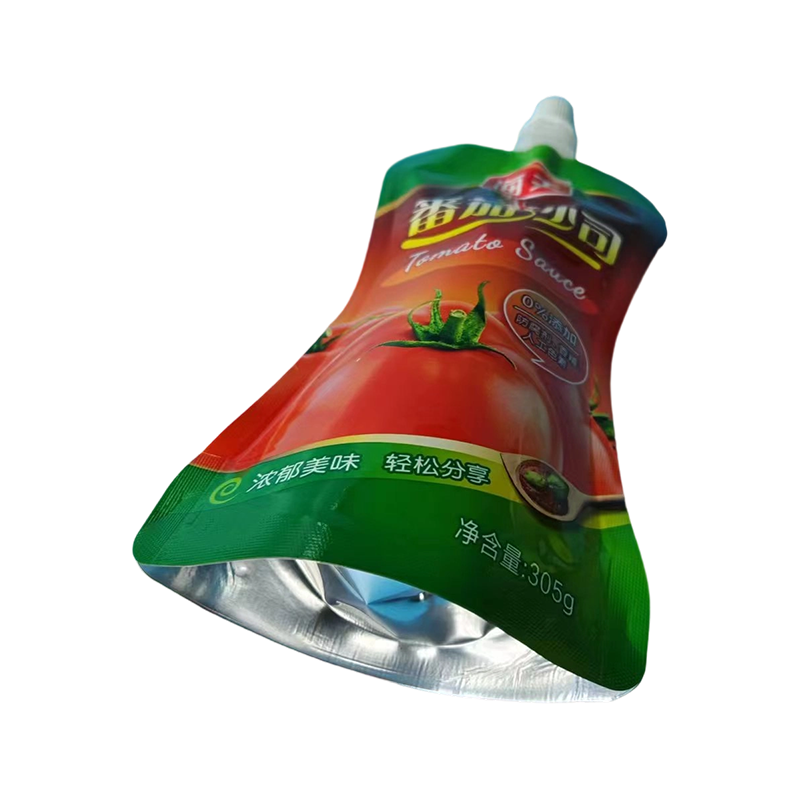 Wholesale High Sealing Sauce Spout Pouch Suppliers, Company - SC Shanghai New MaSC Shanghai - China High Sealing Sauce Spout Pouch Suppliers and Company, Wholesale High Sealing Sauce Spout Pouch, The spout pouch is a ...View Product →
Compared with traditional bottles, spout pouches also score well on sustainability because they use significantly less plastic per unit. The trade-off is that they require filling equipment capable of handling the spout, and the spout itself must be capped and sealed reliably on the line. For brands with access to spout filling equipment, or those working with a contract packer that has it, the switch is usually straightforward. See the key differences between spout pouches and traditional bottles for a closer look at the trade-offs.
Matching the Package to Your Dressing Formula
There is no universal best package for salad dressings. The decision comes down to six factors that can be checked in a structured way.
- Viscosity. Thin, pourable dressings work in spout pouches or sachets. Thick dressings and dips are better in stand-up pouches or tubs with a wide opening.
- Oil content and oxygen sensitivity. High-fat recipes need a stronger oxygen and light barrier to prevent rancidity.
- Serving size. Single-serve portions point to sachets or stick packs. Family sizes from 250 ml to 1 litre suit spout pouches or bottles.
- Filling conditions. Consider whether the product is filled cold, warm, or hot. Hot-fill products require films with higher heat resistance at the seal area.
- Logistics. Weight per unit, stacking strength, and case dimensions affect freight cost. Flexible pouches usually win on all three.
- Sustainability targets. Mono-material PE structures are easier to recycle than multi-material laminates. If recyclability is a requirement, confirm that the barrier and sealant can still protect the oil phase.
One production rule worth following: test the finished pouch with the real formula, at the real filling temperature, and store it under the same light and temperature conditions the retail product will face. Accelerated shelf-life testing helps, but a side-by-side comparison with a known-good package is the most reliable validation.
Printing and Branding Options for Dressing Pouches
On a retail shelf, flexible pouches offer roughly five to eight times more printable surface than a comparable bottle. That changes the branding strategy. Rotogravure printing delivers high-quality, consistent color for large production volumes, while digital printing supports lower minimum order quantities for test launches, regional flavors, or seasonal products.
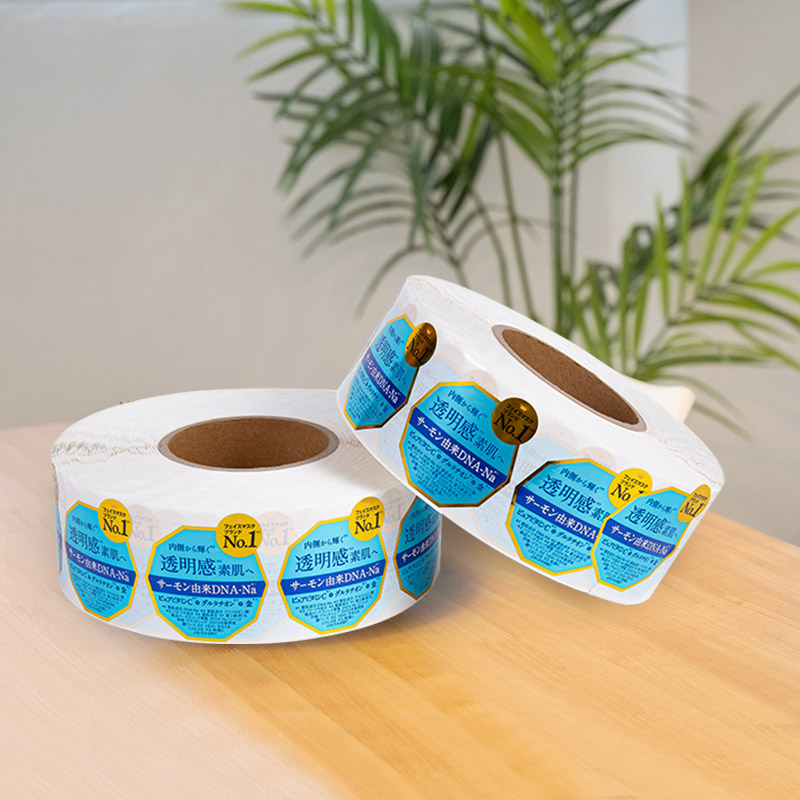
For brands that want to start without committing to a printed film, a plain stand-up pouch combined with a printed label is a viable entry point. The pouch structure remains standard, and the label can be changed quickly when the recipe or design evolves. Whichever route you choose, finalize the print order only after the film structure is locked, because ink adhesion and surface treatment affect both appearance and durability.
Practical Steps Before You Commit to a Structure
Working with a packaging supplier early in product development saves time and avoids costly structural changes. The information a supplier needs is straightforward: the dressing formula and its pH and fat content, the filling temperature, the target shelf life, the pack size, and the retail channel.
A reliable supplier will recommend a structure, provide samples, and help interpret seal strength and barrier test results. The goal is not the cheapest film but the thinnest structure that reliably protects the product through distribution. That is the balance that keeps unit cost under control without risking returns or quality complaints. If you are evaluating a custom structure for a new dressing launch, contact our team with your formula details and pack size to get a concrete recommendation.