 EN
EN
 English
 日本語
日本語 Español
 Deutsch
 عربى
عربى
Content
Overview of Spout Pouches and Traditional Bottles
Spout pouches and traditional bottles are both common packaging formats for liquids, but they differ significantly in terms of design, convenience, and environmental impact. Spout pouches are flexible, lightweight, and often made from multi-layer films, while traditional bottles are typically rigid, made of plastic or glass, and occupy more storage space. Understanding these differences helps manufacturers and consumers choose the most suitable packaging for their products.
Convenience and Portability
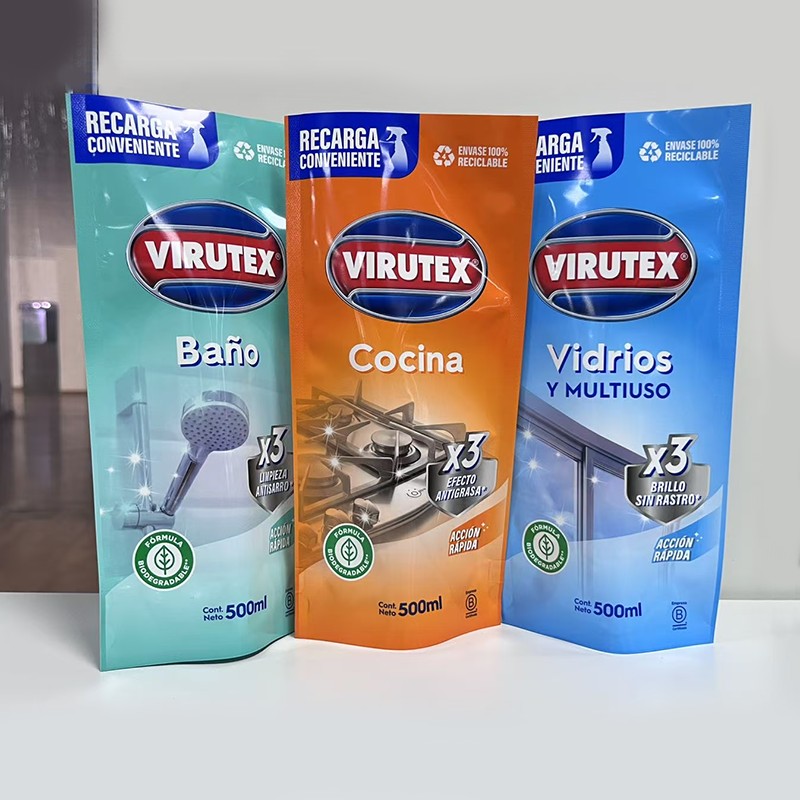
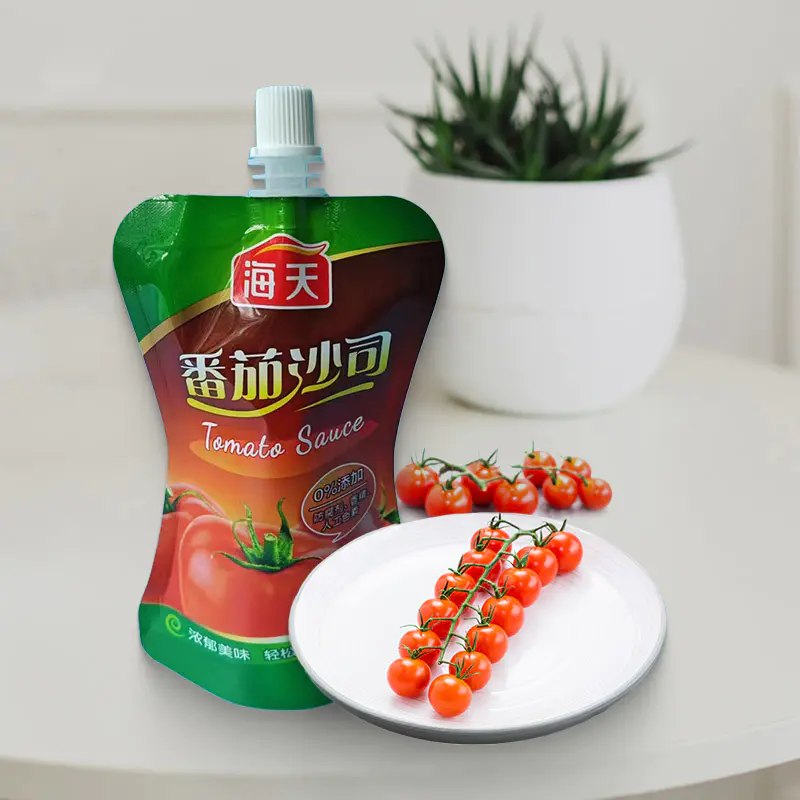
Spout pouches excel in portability and user convenience. Their lightweight and flexible structure makes them easy to carry, store, and pour from, while traditional bottles are heavier and bulkier. Spout pouches with resealable caps allow consumers to use the product in multiple servings without spillage, offering a practical solution for on-the-go lifestyles.
Resealable Features
Many spout pouches feature screw caps or resealable spouts that maintain product freshness and prevent leakage. This feature is particularly advantageous for beverages, purees, and liquid supplements. Traditional bottles also provide caps but may not offer the same compact convenience or ease of use in travel scenarios.
Space Efficiency
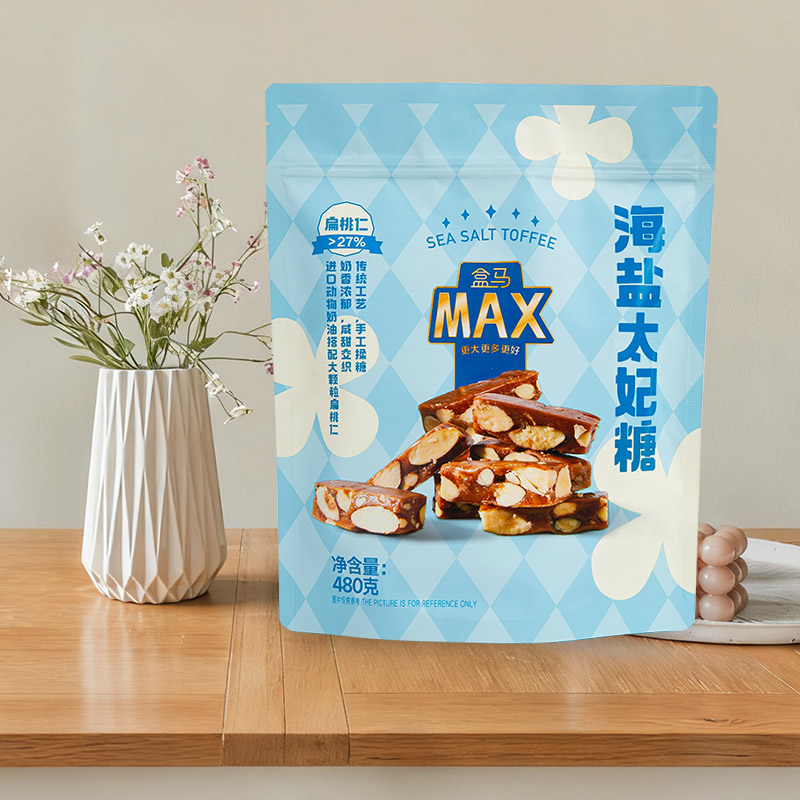
Spout pouches can be designed to stand up or lay flat, optimizing storage and shelf space. Their flexible structure allows for efficient packing and reduced transportation costs. In contrast, rigid bottles occupy more volume and increase shipping weight, making them less efficient for bulk distribution.
Environmental Impact
Environmental considerations are increasingly important in packaging decisions. Spout pouches generally use less material and are lighter, resulting in lower carbon emissions during production and transportation. Some pouches are recyclable or made from biodegradable materials. Traditional plastic bottles consume more resources and can contribute to higher waste levels unless properly recycled.
Material Usage and Waste Reduction
A single spout pouch can replace several rigid bottles in terms of volume, reducing overall material usage. Its thin, flexible films require less energy to manufacture, helping brands achieve sustainability targets. Conversely, traditional bottles often require thicker plastic or glass, increasing both material costs and environmental footprint.
Recycling and Biodegradability
Advances in packaging technology have enabled the development of recyclable or compostable spout pouches. Traditional bottles, while recyclable, may face challenges due to heavier weight, complex shapes, or mixed materials that complicate recycling streams. Choosing spout pouches can thus contribute to more sustainable packaging solutions.
Consumer Experience and Versatility
Spout pouches enhance the consumer experience through convenience, portion control, and versatility. They are suitable for a variety of liquid products, including juices, dairy, purees, sauces, and health supplements. Traditional bottles are effective for many applications but are less adaptable in size, shape, and ease of use for small servings or travel-friendly options.
Portion Control and Dispensing
Spout pouches allow precise pouring and easy portioning, reducing product waste. The flexible material enables controlled flow, especially in narrow-spout designs. Bottles, depending on their opening size, may be less precise and require additional accessories to prevent spills.
Product Versatility
Spout pouches are available in a wide range of sizes and shapes, from single-serve to bulk packaging. This flexibility makes them suitable for both retail and on-the-go applications. Bottles are limited in design flexibility due to rigid construction and higher manufacturing costs for custom shapes.
Comparative Performance Table
| Feature | Spout Pouch | Traditional Bottle |
| Portability | High, lightweight and flexible | Moderate, rigid and heavier |
| Material Usage | Low, minimal film required | High, thicker plastic or glass |
| Convenience | High, resealable and easy to pour | Moderate, heavier and less flexible |
| Environmental Impact | Lower carbon footprint, recyclable options | Higher footprint, recycling dependent on material |
| Product Versatility | High, multiple sizes and shapes | Moderate, limited shapes and sizes |
Conclusion
Spout pouches offer clear advantages over traditional bottles in portability, convenience, material efficiency, and environmental sustainability. While bottles remain effective for certain applications, spout pouches provide flexibility, ease of use, and design versatility that meet the demands of modern consumers and sustainable packaging initiatives. Choosing the right format depends on product type, target audience, and operational considerations, but spout pouches increasingly represent a forward-thinking packaging solution.