 EN
EN
 English
 日本語
日本語 Español
 Deutsch
 عربى
عربى
Content
- 1 Why Mono-Material Packaging Solves the Recycling Problem
- 2 Mono-Material vs. Traditional Laminate: Point-by-Point
- 3 Barrier Performance in a Single Polymer
- 4 Data Snapshot: Recycling Rates by Format
- 5 The Hidden Metric: Barrier Performance vs. Recyclability Trade-off
- 6 Where Mono-Material Packaging Is Actually Used
- 7 A 5-Step Selection Process for Brand and Packaging Teams
- 8 Common Formats Built as Mono-Material
- 9 Compliance, Labeling, and Quality Assurance
- 10 Frequently Asked Questions
- 11 Moving to Mono-Material Package for Your Next SKU?
A mono-material package is a flexible structure built almost entirely from one polymer family, so it moves through recycling as a single clean stream instead of getting rejected as mixed laminate waste. SC Shanghai New Material Tech supplies film converters and brand owners across food, personal care, and household categories, and the same three questions come up on nearly every project: which polymer family, which barrier build, and which format actually fits the product. This guide breaks all three down, covering PE mono-material, PP mono-material, and PET mono-material options.
Core Conclusion
For most dry and ambient food, personal care, and household products, a well-engineered PE mono-material structure now matches foil-laminate barrier performance while qualifying for store drop-off recycling. Reserve PP for hot-fill and retort applications, and PET for rigid-adjacent formats needing higher clarity — defaulting to a legacy multi-material laminate is rarely justified once a matched mono-material barrier build is available.
Why Mono-Material Packaging Solves the Recycling Problem
Traditional flexible packaging is a composite structure — a snack pouch might combine a printed PET outer layer, an aluminum foil barrier, and a polyethylene sealant. Each layer does its job, but once laminated, the materials can't be separated by existing recycling infrastructure, so the whole structure heads to landfill regardless of how recyclable any single layer would have been on its own.
PE Mono-Material
Soft and highly sealable, PE mono-material is compatible with store drop-off and growing curbside streams. It's the default choice for pouches, flexible bags, and lidding where flexibility matters more than heat resistance.
PP Mono-Material
Stiffer and more heat-resistant than PE, PP mono-material handles hot-fill and retort processing better, making it the go-to for sauces, ready meals, and other heat-processed products.
PET Mono-Material
Common in bottles and rigid-adjacent trays, PET mono-material offers strong clarity and barrier qualities, and pairs well with lidding films that need to match the tray polymer for full-pack recyclability.
Mono-Material vs. Traditional Laminate: Point-by-Point
Recyclability
A traditional laminate usually has no recycling path and heads to landfill. A mono-material structure can enter store drop-off or curbside collection where the local stream accepts it.
Barrier Property
Laminates typically lean on aluminum foil for oxygen and moisture protection. Mono-material structures reach comparable numbers through coatings, metallization, or oriented film technology within the same polymer family.
Machinability
Traditional laminates are well-established on existing form-fill-seal lines. Mono-material structures now run on most of the same equipment with minor adjustments to seal temperature and dwell time.
Cost
Laminates often carry a lower cost per square inch up front. Mono-material structures are increasingly comparable, and extended producer responsibility (EPR) fees are narrowing the remaining gap in regulated markets.
Circular Economy Fit
A mono-material structure is built for recovery from day one. A multi-layer laminate simply isn't, no matter how the individual layers are sourced.
Barrier Performance in a Single Polymer
The hardest technical problem in mono-material design is matching foil-level barrier using only one polymer family. Get the oxygen transmission rate wrong and the product oxidizes; get the moisture barrier wrong and dry goods go stale. SC Shanghai New Material Tech builds barrier into mono-material film through a few proven levers:
- Machine direction oriented PE (MDO-PE): a stiffer film that holds print quality and provides a stable base for coatings
- Metallized layers of the same polymer: a thin aluminum coating kept below the threshold that would disqualify the structure from recycling
- Barrier coatings (EVOH, SiOx, AlOx): applied in thin layers to hit specific oxygen and moisture transmission targets
- Co-extruded sealant layers: built from the same polymer family to preserve seal integrity without introducing a second material
Data Snapshot: Recycling Rates by Format
National recycling data explains why format choice matters as much as polymer choice. Rigid containers in accepted resins recover at meaningfully higher rates than flexible film, which is exactly the gap mono-material design is closing.
Overall U.S. plastics recycling sits around 8.7%, with flexible film recovered at an even lower rate than rigid containers — illustrating why format-level design decisions matter as much as resin selection.
The Hidden Metric: Barrier Performance vs. Recyclability Trade-off
Brand teams often benchmark structures on cost per square inch alone. The number that actually predicts long-term program success is barrier performance retained per unit of recyclability gained — a structure that sacrifices too much barrier to hit a recyclability claim ends up with shelf-life complaints instead.
Indexed oxygen barrier performance relative to a benchmark foil laminate (100%). "Engineered" mono-PE combines metallization or coatings with MDO orientation.
Where Mono-Material Packaging Is Actually Used
Market research consistently shows food and beverage as the dominant end-use category for mono-material flexible packaging, with personal care and household products following as brands move away from foil-based laminates category by category.
Approximate global end-use distribution for mono-material flexible packaging, based on published industry market research.
A 5-Step Selection Process for Brand and Packaging Teams
Define shelf-life and barrier targets
Establish oxygen transmission rate and moisture vapor transmission rate requirements before selecting a polymer family — this determines which barrier levers are actually needed.
Choose polymer family by process, not habit
PE for ambient dry goods, PP for hot-fill and retort, PET for high-clarity rigid-adjacent formats. Matching to process avoids costly line rework later.
Select the format
Stand-up pouch, flexible pillow pouch, lidding film, or rollstock — the format decision interacts directly with your existing form-fill-seal equipment.
Validate against APR guidelines
Check the structure against the Association of Plastic Recyclers Design Guide before finalizing artwork, so the recyclability claim on pack actually holds up.
Run a line trial before commercial launch
Confirm seal temperature, dwell time, and print behavior on your actual equipment before committing to full production volumes.
Common Formats Built as Mono-Material
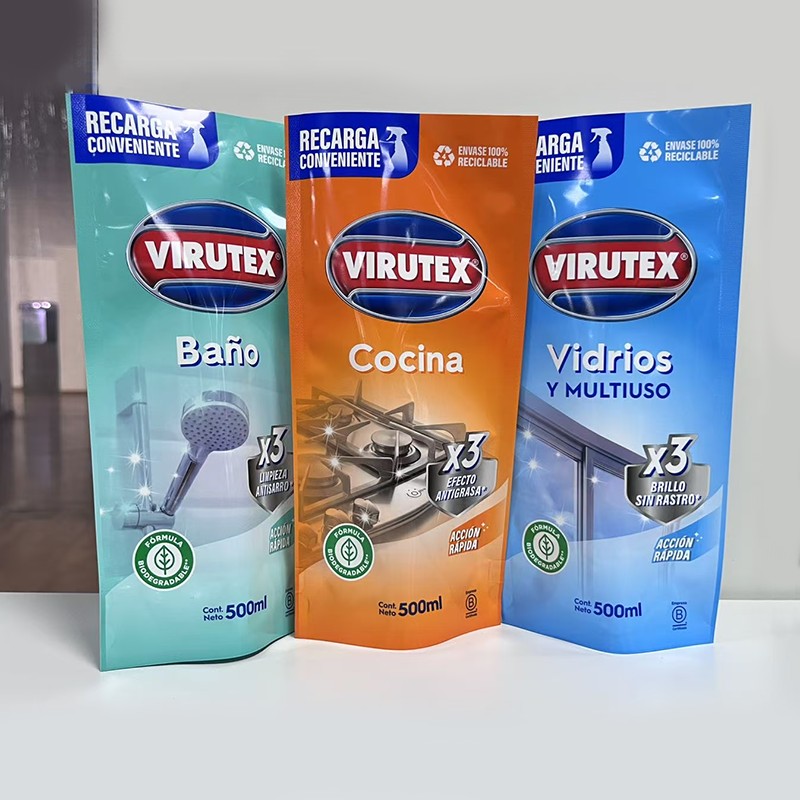
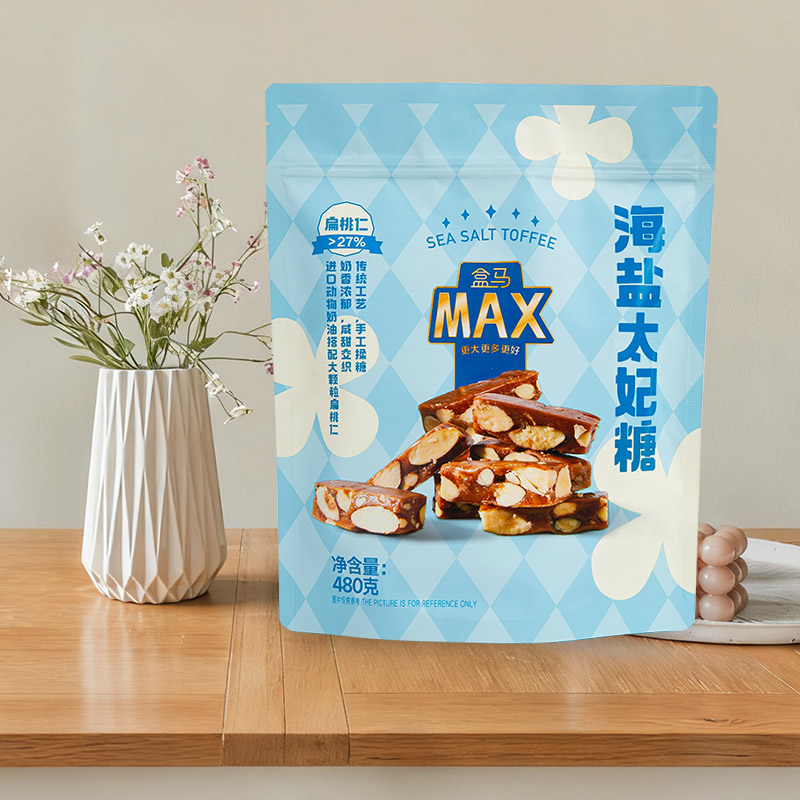
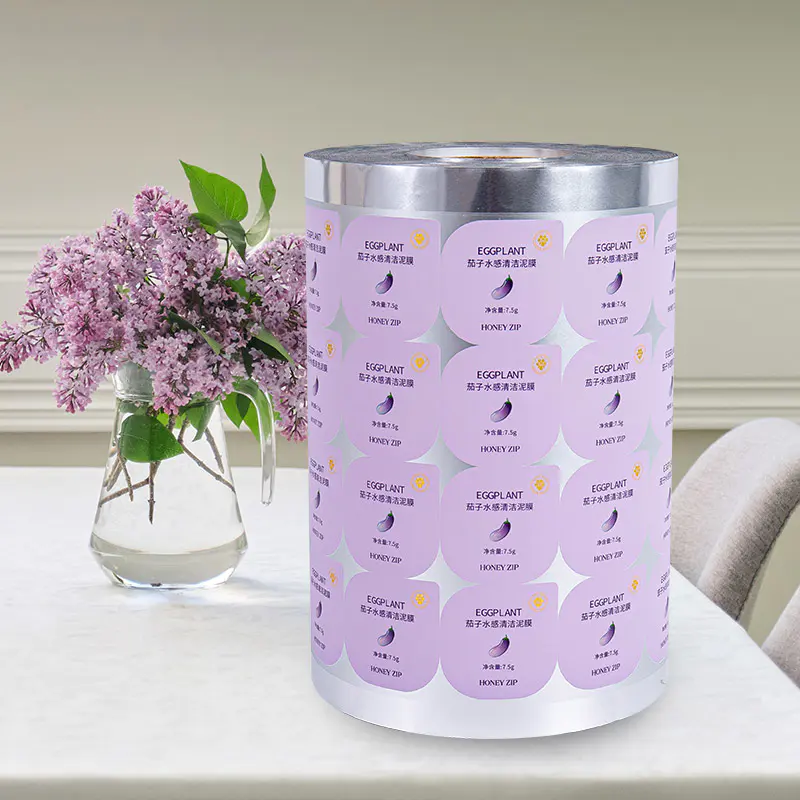
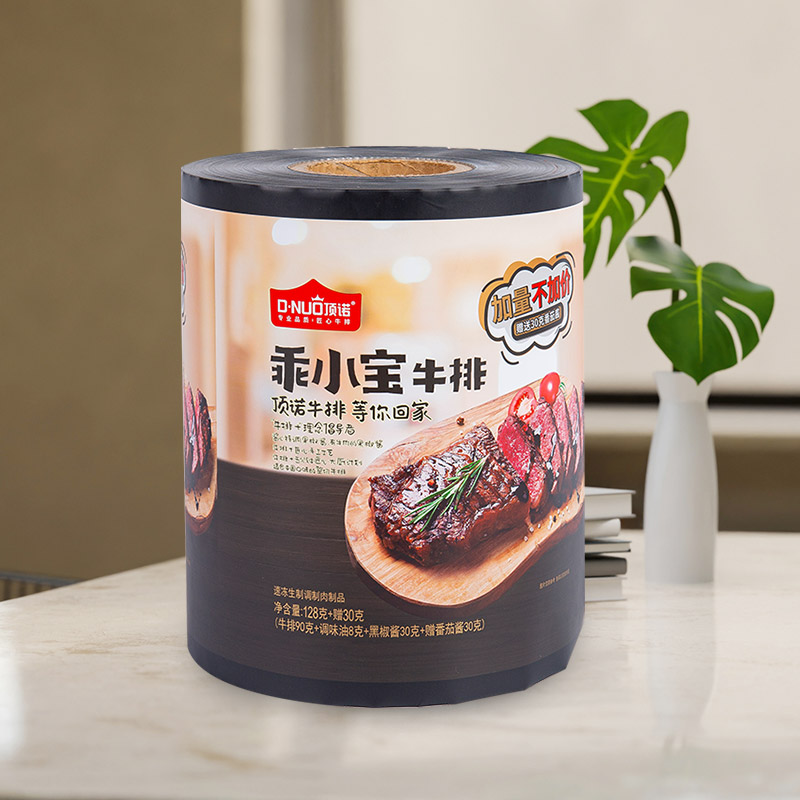
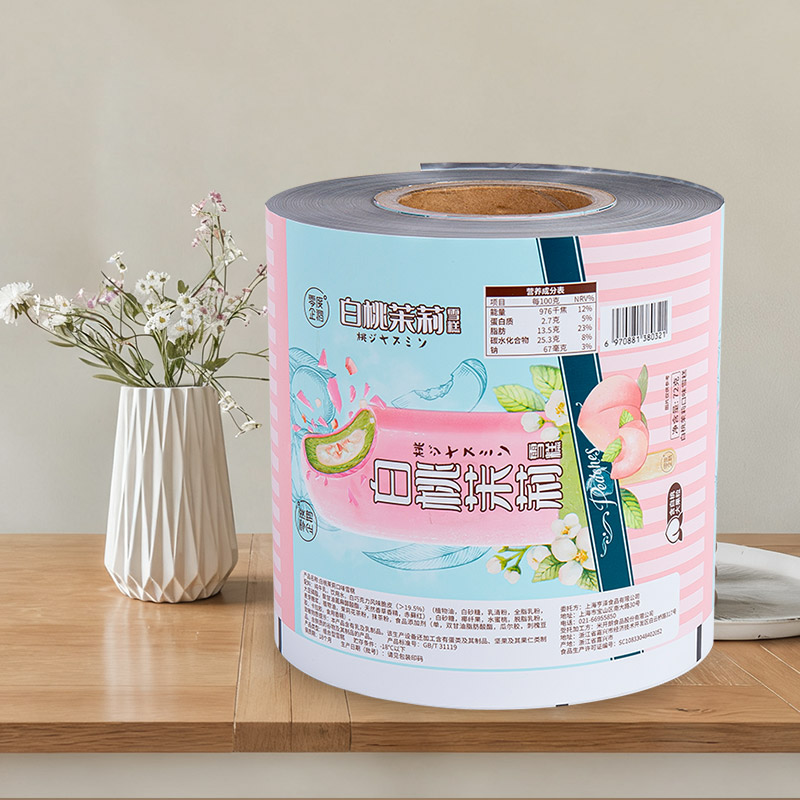
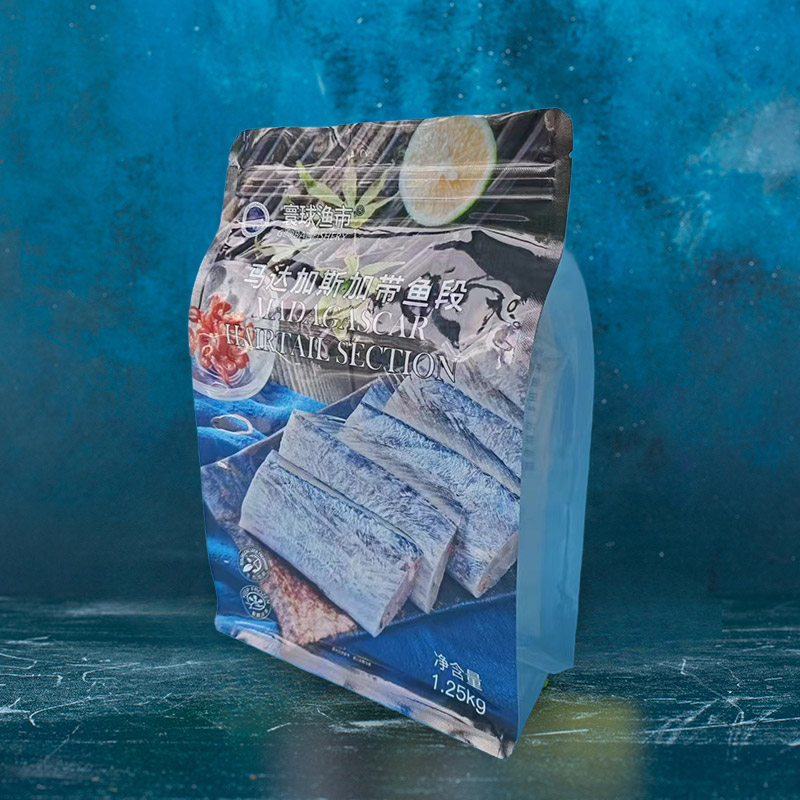
Mono-material film runs on most of the formats brand teams already know. Our stand-up pouch structures are the most requested format, offering strong shelf presence with an easy-open option. For high-volume snack, powder, and dry mix categories, flexible pillow and three-side-seal pouches keep material use efficient.
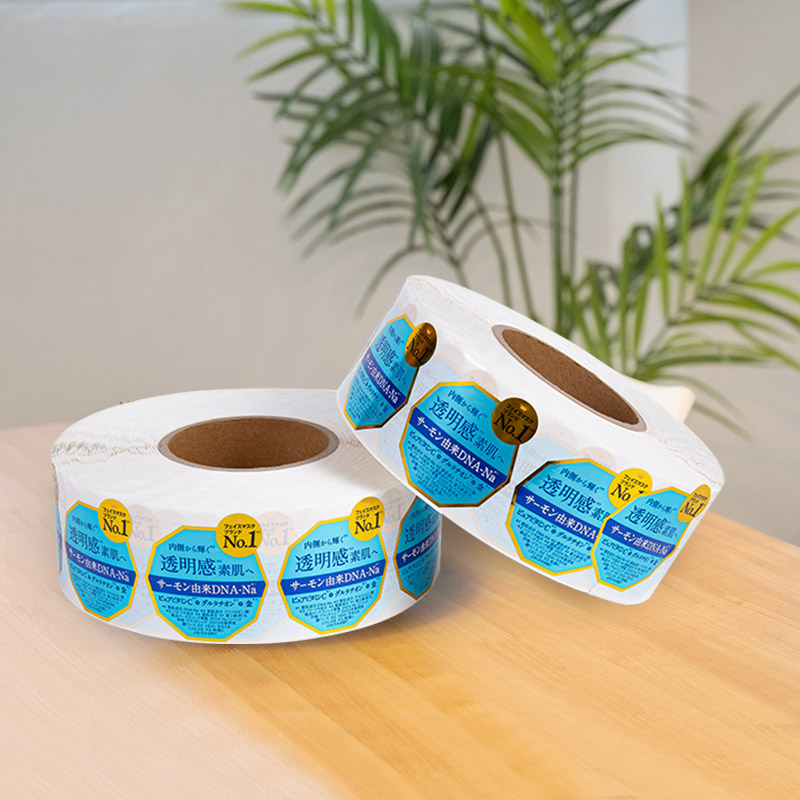
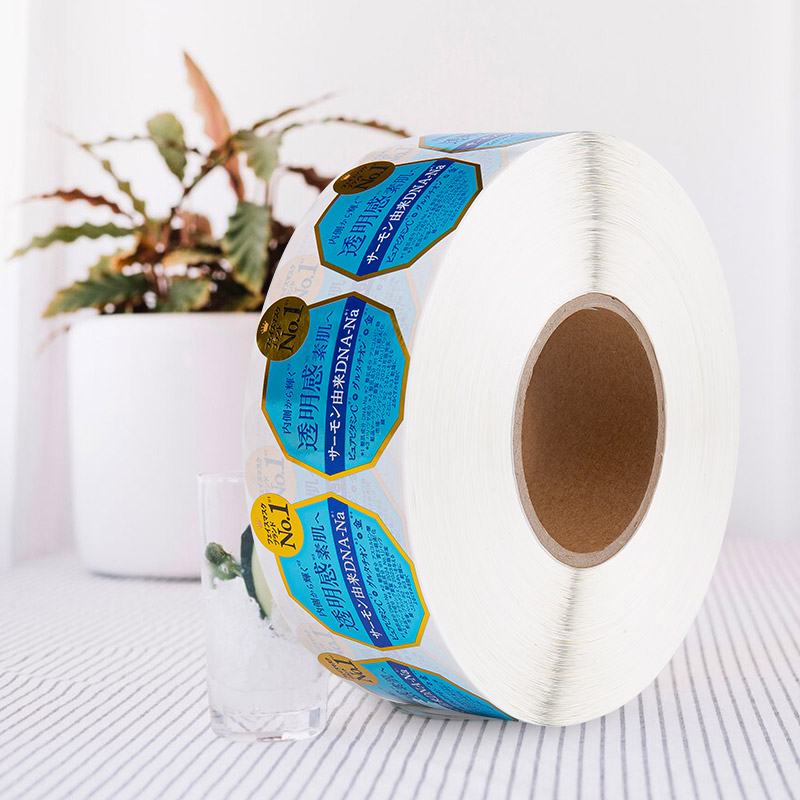
Where a mono-material tray needs a matching lid, our lidding film range is engineered to the same polymer family for full-pack recyclability, and rollstock supplied for form-fill-seal lines is available across all three polymer families.
Compliance, Labeling, and Quality Assurance
APR Design Guide Alignment
Structures should be checked against Association of Plastic Recyclers criteria before launch. A film that tests as "APR Preferred" gives brand owners a defensible recyclability claim.
EPR Fee Exposure
Extended producer responsibility regulations in the EU and several US states apply lower fee rates to recyclable mono-material structures, which shifts total landed cost in the mono-material's favor over time.
How2Recycle Labeling
Store drop-off and curbside labeling claims should be validated against current How2Recycle criteria before print files are finalized, since label accuracy is under increasing regulatory scrutiny.
Ongoing Quality Checks
Request seal strength and barrier retest data periodically across production lots, since resin sourcing variation can shift performance even within a nominally identical structure.
Frequently Asked Questions
What counts as a mono-material package?
A package where roughly 90% or more of the structure comes from a single polymer family, such as PE, PP, or PET, so it can be processed through a single recycling stream.
Can mono-material packaging match foil-laminate barrier performance?
For most dry foods, personal care, and household products, yes — engineered mono-material films using MDO-PE, metallization, or barrier coatings now hit barrier numbers that used to require foil. High-sensitivity products still need careful barrier validation against real shelf-life data.
Is PE or PP mono-material better for my product?
PE mono-material suits ambient, dry, and non-heat-processed products. PP mono-material handles hot-fill and retort processing better due to its higher heat resistance, making it the better fit for sauces and ready meals.
Will mono-material packaging run on my existing equipment?
Most mono-material structures run on existing form-fill-seal lines with minor adjustments to seal temperature, dwell time, and tension. A line trial before commercial launch is strongly recommended.
Is mono-material packaging more expensive than traditional laminate?
Traditional laminates often carry a lower cost per square inch up front. Mono-material structures are increasingly comparable, and extended producer responsibility fees are narrowing the gap in regulated markets.
Does mono-material packaging qualify for curbside recycling?
It depends on the local program. PE mono-material film generally qualifies for store drop-off nationwide, with curbside acceptance expanding but still inconsistent by municipality.
What is the APR Design Guide and why does it matter?
It's the North American standard for recycling compatibility published by the Association of Plastic Recyclers. Testing a structure against it before launch supports a defensible on-pack recyclability claim.
Which industries are adopting mono-material packaging fastest?
Food and beverage leads adoption by volume, with personal care and household product categories following as brand owners work through their portfolios to meet sustainability and EPR compliance targets.
Moving to Mono-Material Package for Your Next SKU?
The right polymer family, barrier build, and format depend on your product chemistry and shelf-life targets. SC Shanghai New Material Tech's technical team can review your current structure and recommend a mono-material package built to hit both performance and recyclability goals.
Request a Structure Consultation