 EN
 English
 日本語
 Español
 Deutsch
 عربى

A chocolate bar line running 140 packs a minute cannot put a 160 °C sealing jaw against the product. That constraint is the entire reason cold seal film exists: the film carries a pressure-activated adhesive that bonds only to itself, so a seal forms at ambient temperature with nothing but jaw pressure and a short dwell time.
That single design choice changes the buying logic. Cold seal film is not a roll you order by the kilogram and match to any machine — it is a matched system of substrate, adhesive coat weight, release lacquer and sealing window, and it only performs when all four are specified together.
The short answer
- Cold seal is a cohesive bond: adhesive meets adhesive, pressure does the work, heat is not involved.
- Practical targets for BOPP-based film: 3–6 N/15 mm peel strength, 2–6 bar jaw pressure, 0.2–0.6 s dwell.
- Dry coat weight usually sits between 2.5 and 4.5 gsm, applied in register to roughly ±1–2 mm.
- Most line failures come from contamination, jaw wear and humidity — not from weak adhesive.
- Expect 8–20% more per roll than a comparable heat seal film; speed and scrap reduction usually pay it back.
Content
What Cold Seal Film Is, Layer by Layer
Strip a cold seal roll down and you find three functional layers working against each other on purpose. The substrate carries the strength and barrier. The adhesive coat sits in a printed pattern where the seal must land. The release lacquer on the reverse face stops that adhesive from sticking to the previous wrap on the reel.
Substrate
20–40 µm BOPP covers most confectionery. PET handles medical and higher-temperature use, paper supports sterile pouches and bakery bags, and metallised BOPP or foil laminates add the barrier that plain BOPP cannot.
Adhesive
Natural rubber latex gives aggressive tack and high cohesive strength. Synthetic acrylic, PIB or EVA systems avoid latex-allergy declarations — the usual choice for medical device pouches.
Release lacquer
Applied to the non-sealing face, it controls blocking on the reel and sets the unwind force. Too little lacquer and the roll welds itself shut; too much and the pack feels slack off the former.
Registration is where buyers get surprised. The adhesive must land on adhesive, not on printed ink or on itself offset by 3 mm, so the coating pattern is a print job in its own right. A film can print beautifully and still seal poorly if the cold seal station drifts. The relationship between adhesive type, substrate surface energy and line settings is worth reading in more depth before a specification is frozen — our own technical note on cold seal adhesive performance and line selection covers the substrate-by-substrate detail.
Where the pack also needs oxygen or moisture protection, the adhesive layer is only part of the job. A high-barrier base web does the rest, and it has to stay sealable after lamination.
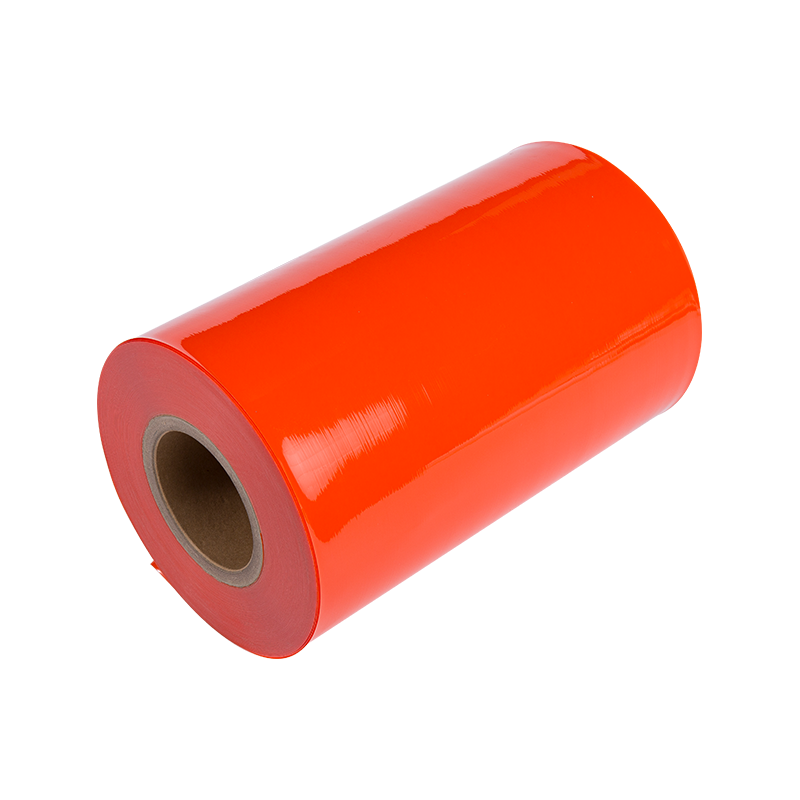 EVOH High-Barrier Thermoforming Film for Meat PackagingMulti-layer EVOH film provides oxygen and moisture barrier for sausages and processed meats, with puncture resistance and customizable thickness for packaging trials.View Product →
Cold Seal vs Heat Seal: The Numbers Behind the Choice
The comparison below reflects indicative ranges for BOPP-based films on horizontal flow-wrap equipment. Use it to frame a trial, not to replace one — machine geometry and pack format move these figures considerably.
The trade is clear once it is written down. You give up roughly half the peel strength and most of your tolerance to contamination, and in exchange you remove heat from the sealing step entirely — faster cycles, no bloom or melt marks, and far less energy at the jaw.
The Hidden Indicators That Predict Seal Failures
Ask a plant why cold seal packs leak and the answer is rarely "bad film". The distribution below reflects the pattern we see across complaint logs, and it is a useful checklist before blaming the supplier.
34%
Contamination
24%
Jaw pressure and wear
17%
Registration drift
14%
Storage humidity
11%
Coat weight variation
Contamination leads because a cohesive bond cannot bridge anything: a single sugar crystal or a film of cocoa butter in the seal zone defeats it, while a heat seal would often melt straight through. That is why the feeding and forming section of the machine deserves as much attention as the film specification.
Jaw wear is the quiet second cause. A jaw that has lost parallelism by 0.05 mm delivers uneven pressure across a 120 mm pack, and the middle of the seam reads fine while the edges fail in transit. Calibrate pressure monthly and check jaw flatness with a straight edge and feeler gauge rather than by eye.
Where Cold Seal Film Earns Its Place
Demand clusters around products that are damaged by heat or that need very high line speeds. The split below is a reasonable planning assumption for the flexible cold seal segment.
- Confectionery and chocolate — 38%
- Bakery, biscuits and bars — 22%
- Ice cream and frozen novelty — 14%
- Medical and healthcare — 12%
- Fresh produce — 8%
- Other industrial — 6%
Medical is the segment that most often goes wrong commercially. Sterile barrier pouches need a synthetic adhesive with a latex declaration, plus seal strength evidence per ASTM F88 and ageing data to back the claimed shelf life. Buying on price alone here is a compliance risk, not a saving.
Specifying a Cold Seal Film: A Six-Step Trial Path
- Define the product and the pack. Write down fill weight, product temperature at sealing, surface oil or powder, and the exact machine model with its jaw width.
- Set the structure. Choose BOPP, PET, paper or a metallised laminate, then decide whether OTR and WVTR targets demand a barrier layer.
- Fix coat weight and pattern. Ask for 2.5–4.5 gsm dry and a coating artwork that matches the fin or lap seal geometry to ±1–2 mm.
- Agree the test method. Specify T-peel at 300 mm/min, the acceptance band, and whether testing happens after 24 hours or immediately off the line.
- Run a pressure and dwell window. Test three pressure levels against three dwell times rather than one "golden" setting; you want to know how wide the working window is.
- Qualify the full reel. Seal packs from the start, middle and end of the reel to catch coating drift, and repeat after two weeks of ambient storage.
Printed roll supply for automatic lines should be quoted with the same rigour as the adhesive: treat printed laminated film rolls for automatic packaging machines as a specification item, because web tension behaviour and print registration affect the cold seal station downstream.
Storage, Line Maintenance and Food-Contact Compliance
Cold seal adhesive stays live for months, but only inside a defined envelope. Keep reels at 15–25 °C and 40–60% relative humidity, leave them in the original bag until loading, and plan on a 6–12 month shelf life from production. Paper-based structures are the sensitive ones: absorb moisture and the adhesive migrates into the sheet, and the seal strength drops before anything visibly changes.
Compliance items to request with the first order:
- Food-contact declarations covering both the substrate and the adhesive, with migration test data for the intended use.
- A latex statement — mandatory for medical, sensible for food where allergen communication matters.
- Coat weight and bond strength certificates per batch, not just a certificate of conformity.
- For sterile barrier packs, seal strength and ageing data aligned to the relevant standard.
On the line, three maintenance habits prevent most of the failure modes already described: monthly jaw pressure calibration, weekly inspection of the former and feed rollers for adhesive build-up, and a written pressure and dwell record at every product changeover.
Cold seal film rewards buyers who treat it as a system rather than a roll. Get the substrate, coat weight, registration and sealing window aligned before the first production run, and the technology removes heat damage, cuts energy at the jaw and buys speed. Skip the trial, and the failure will look like a supplier problem when it is really a specification gap.