 EN
EN
 English
 日本語
日本語 Español
 Deutsch
 عربى
عربى
Content
What Frozen Food Packaging Bags Are Designed to Do
Frozen food packaging bags are built to survive conditions that break down ordinary flexible packaging: sustained sub-zero temperatures, moisture inside and outside the bag, and the physical stress of stacking, transport, and repeated freezer-to-counter handling. The material has to stay flexible and seal-tight even after prolonged exposure to cold that would make standard plastic film brittle and prone to cracking.
Beyond surviving the cold, the bag's real job is preventing three specific forms of quality loss: moisture escaping the product (which causes freezer burn), oxygen getting in (which causes oxidation and off-flavors), and odor transfer in either direction. A bag that fails at any one of these compromises shelf life even if the product never physically leaves the freezer.
Why Barrier Properties Matter More Than Thickness Alone
A thicker bag isn't automatically a better barrier — the material composition determines how effectively oxygen and moisture vapor are blocked, regardless of how heavy the film feels. Multi-layer laminate structures combining materials like PE, PA (nylon), and sometimes an aluminum or EVOH layer each contribute a different function: one layer for puncture resistance, another for oxygen barrier, another for the heat-sealable inner surface.
This layered approach is why frozen food packaging performs so differently from a generic plastic bag even at similar thickness. Freezer burn, the dried-out, discolored patches that form on improperly packaged frozen food, is almost always a moisture-barrier failure rather than a temperature problem — the freezer isn't too cold, the bag simply isn't stopping moisture from migrating out of the product's surface.
Low-Temperature Performance and Seal Integrity
A frozen food bag has to maintain both flexibility and seal strength well below freezing, typically down to -18°C or colder for standard commercial freezer storage. Films that aren't formulated for cold-weather flexibility become brittle at these temperatures, leading to micro-cracks at fold points and seal edges — exactly where barrier failure starts.
Why Seal Quality Determines Real-World Shelf Life
Even a well-formulated barrier film fails if the seal itself is weak. A consistent, full-width heat seal is what actually keeps the barrier properties intact at the point most vulnerable to failure — the edge of the bag. Manufacturers should treat seal strength testing as a standard quality check, not an optional one, since a barrier film with a compromised seal offers no real advantage over a lower-spec bag.
Transparency and Food Safety Compliance
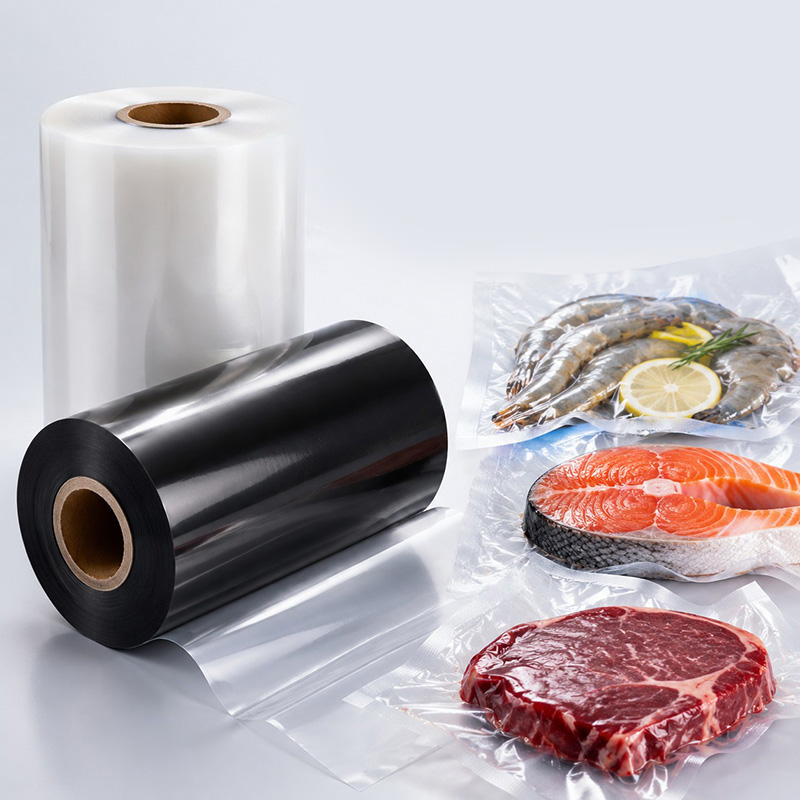
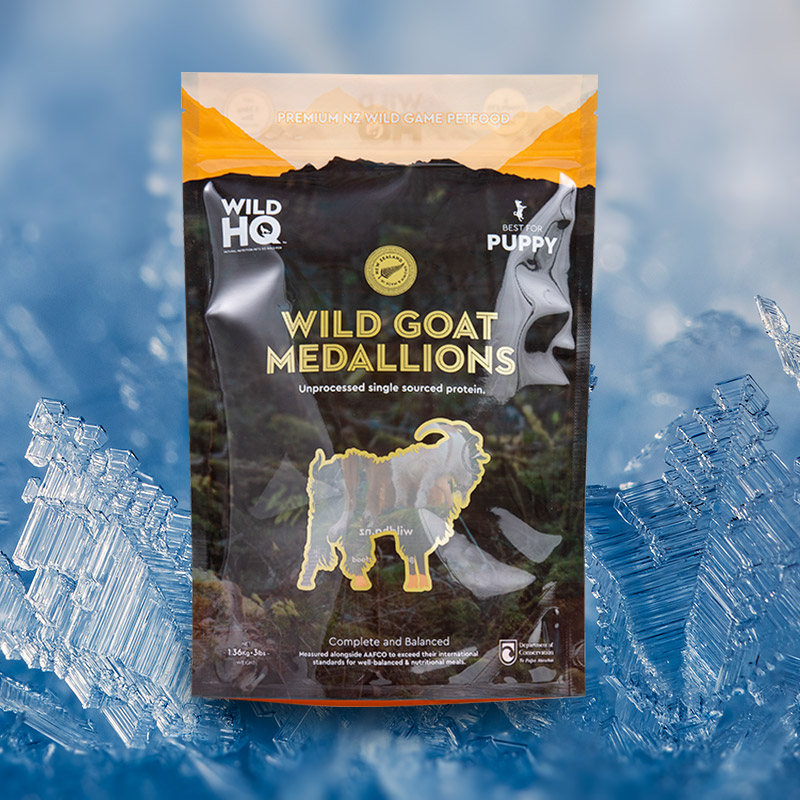
Transparency in frozen food packaging isn't purely cosmetic. Clear or semi-clear film lets retailers and consumers visually inspect product condition — checking for ice crystal buildup, discoloration, or damage — without opening the package, which matters both at the point of sale and for quality checks during distribution.
Food safety compliance runs in parallel with these functional properties. Materials used in direct food contact need to meet relevant food-grade standards for the target market, covering both the resin composition and any printing inks used on the bag surface, since inks in close or direct contact with frozen food need to be migration-tested rather than assumed safe.
Choosing the Right Bag for Different Frozen Products
Not every frozen product needs the same packaging spec. The table below outlines how bag priorities shift depending on what's being packed.
| Product Type | Priority Property |
|---|---|
| Frozen seafood and meat | High moisture barrier to prevent freezer burn and odor transfer |
| Frozen vegetables and fruit | Puncture resistance for irregular, sharp-edged contents |
| Ready-to-eat frozen meals | Strong seal integrity and food-grade compliance for reheating |
| Frozen bakery goods | Oxygen barrier to prevent staling and flavor loss |
- Match barrier layer composition to the product's dominant spoilage risk, moisture loss or oxidation
- Confirm seal strength testing data at freezer temperature, not just at room temperature
- Verify food-grade compliance documentation for both the film and any printed inks
- Choose transparency level based on retail display needs versus light-sensitivity of the product