 EN
EN
 English
 日本語
日本語 Español
 Deutsch
 عربى
عربى
Content
- 1 Material Structures Used in Eco-Friendly Packaging Bags
- 2 Barrier Performance and Functional Requirements
- 3 Certification and Compliance Standards
- 4 Application-Specific Design Considerations
- 5 Cost Structure and Lifecycle Assessment
- 6 Printing and Branding on Sustainable Materials
- 7 Supply Chain Stability and Sourcing Strategy
Material Structures Used in Eco-Friendly Packaging Bags
Eco-friendly packaging bags are defined not only by their marketing claims but by their material composition and end-of-life performance. The most widely used structures include biodegradable polymers, recyclable mono-material films, paper-based laminates, and compostable bio-based plastics. Each structure serves different functional and environmental objectives, and selection must be based on product characteristics, storage conditions, and regulatory requirements.
Biodegradable materials such as PLA, PBAT, and starch-based blends are typically applied in applications where compostability is required. Mono-material polyethylene or polypropylene structures are designed to simplify recycling streams by eliminating incompatible layers. Paper-based eco-friendly packaging bags often combine kraft paper with a thin barrier coating to balance sustainability with moisture resistance. Understanding these structural differences is essential before making procurement decisions.
- PLA-based compostable bags suitable for dry goods and short shelf-life products
- PBAT blended films offering improved flexibility and tear resistance
- Mono-material PE recyclable bags compatible with existing recycling systems
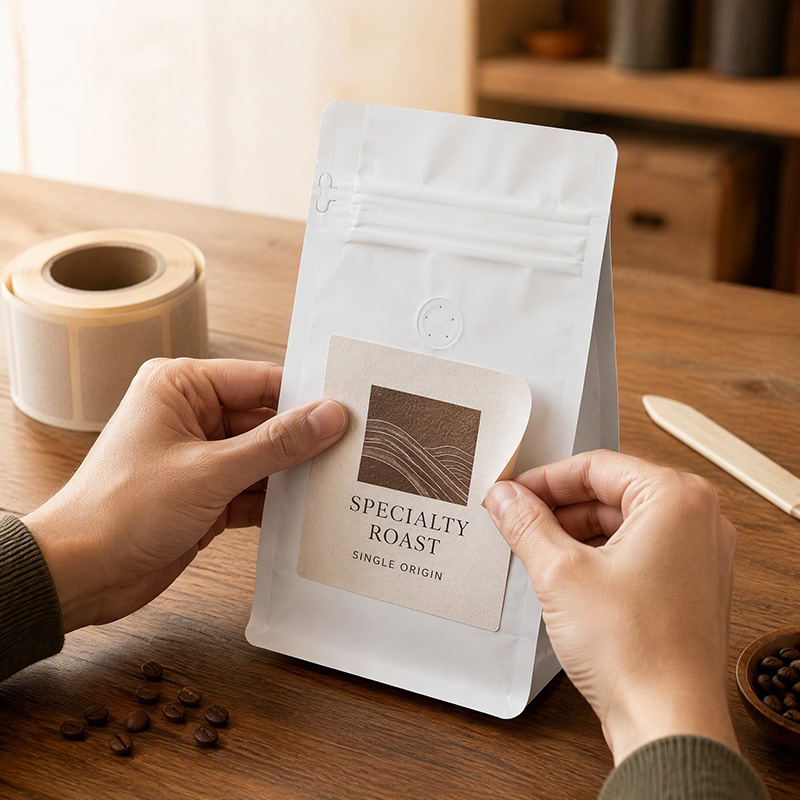
- Paper-laminated eco-friendly packaging bags for retail and food takeaway
Barrier Performance and Functional Requirements
An eco-friendly packaging bag must still meet technical performance standards. Oxygen transmission rate, moisture vapor transmission rate, puncture resistance, and sealing strength directly affect product safety and shelf stability. For food packaging, inadequate barrier protection can lead to spoilage, while in industrial packaging, weak tensile properties may cause damage during transportation.
Recyclable mono-material films often require advanced coating technologies to enhance barrier performance without compromising recyclability. Compostable materials may need multilayer co-extrusion to achieve adequate mechanical strength. A detailed evaluation of product sensitivity to moisture, oxygen, and light should guide the final material specification.
Key Technical Parameters to Evaluate
- Oxygen transmission rate (OTR)
- Moisture vapor transmission rate (MVTR)
- Heat seal strength
- Tear and puncture resistance
- Shelf-life compatibility
Certification and Compliance Standards
Eco-friendly packaging bags must comply with regional and international certification frameworks. Compostable products typically follow standards such as EN 13432 or ASTM D6400. Recyclable packaging may require proof of compatibility with local recycling streams. Food-contact safety compliance is mandatory in many jurisdictions and involves migration testing and material safety documentation.
Verification from accredited laboratories strengthens credibility and reduces regulatory risk. Brands exporting to multiple markets should ensure documentation covers each target region’s environmental labeling and waste management policies.
Common Certification Categories
| Certification Type | Purpose | Application Scope |
| EN 13432 | Industrial compostability verification | EU market compostable bags |
| ASTM D6400 | Compostable plastics standard | North American market |
| FDA / EU Food Contact | Food safety compliance | Food packaging applications |
Application-Specific Design Considerations
Different industries require tailored eco-friendly packaging bag solutions. Retail brands may prioritize visual appeal and print quality, while industrial users focus on load-bearing capacity and durability. Food and beverage packaging demands strict hygiene control and extended shelf-life performance. E-commerce packaging requires resistance to compression and impact during logistics handling.
Design elements such as zipper closures, tear notches, gusseted bottoms, and reinforced handles must be evaluated for compatibility with sustainable materials. Structural optimization can reduce material usage while maintaining strength, contributing to lower carbon footprint without sacrificing protection.
Cost Structure and Lifecycle Assessment
The cost of eco-friendly packaging bags includes raw material pricing, processing complexity, certification fees, and logistics impact. Compostable materials may carry higher upfront costs compared to conventional plastics, but lifecycle analysis often reveals long-term environmental and brand value benefits. Lightweight recyclable mono-material bags may reduce transportation emissions due to lower mass.
Lifecycle assessment evaluates carbon emissions, resource consumption, and end-of-life scenarios. Companies increasingly use this data to align packaging strategy with ESG goals. Transparent reporting strengthens stakeholder confidence and supports sustainable procurement strategies.
Printing and Branding on Sustainable Materials
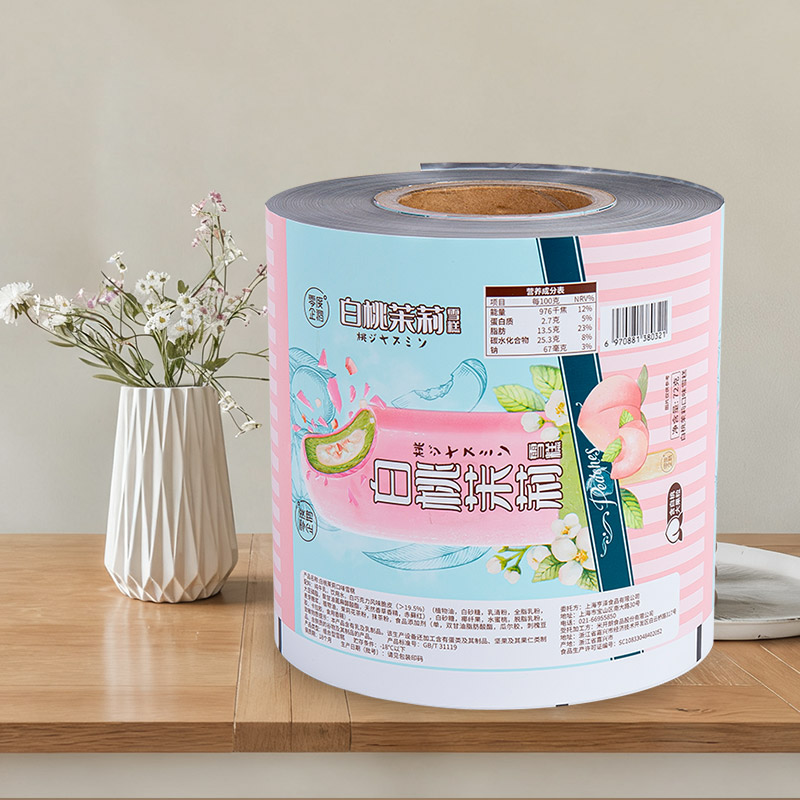
Eco-friendly packaging bags must accommodate high-quality printing without compromising recyclability or compostability. Water-based inks, low-migration printing processes, and reduced heavy metal content are commonly adopted. Excessive lamination or incompatible coatings can hinder recycling efficiency.
Design teams should balance branding visibility with environmental objectives. Minimalist print coverage reduces ink consumption and simplifies material recovery. Strategic surface treatment improves ink adhesion while maintaining sustainable performance.
Supply Chain Stability and Sourcing Strategy
Reliable sourcing is critical when transitioning to eco-friendly packaging bags. Bio-based materials may depend on agricultural feedstocks, which can fluctuate seasonally. Establishing long-term supplier partnerships reduces risk and stabilizes pricing. Auditing manufacturing facilities ensures compliance with environmental and quality standards.
Procurement teams should evaluate supplier technical capability, certification transparency, and production scalability. Testing pilot batches before large-scale implementation reduces operational disruption and verifies compatibility with existing packaging machinery.