 EN
EN
 English
 日本語
日本語 Español
 Deutsch
 عربى
عربى
Content
- 1 Introduction to Sustainable Bottom Thermoforming Film
- 2 Materials Used in Sustainable Bottom Thermoforming Film
- 3 Environmental Benefits of Sustainable Films
- 4 Performance Considerations for Sustainable Films
- 5 Comparison of Conventional and Sustainable Bottom Thermoforming Films
- 6 Implementation Tips for Sustainable Films
- 7 Conclusion
Introduction to Sustainable Bottom Thermoforming Film
Bottom thermoforming film is widely used in packaging applications, including food, medical, and consumer goods. As industries face increasing pressure to reduce environmental impact, sustainable and recyclable options for bottom thermoforming film have gained significant attention. These materials are designed to minimize waste, reduce carbon footprint, and provide a balance between performance and environmental responsibility.
Sustainable films can be produced using recycled polymers, biodegradable materials, or bio-based plastics, allowing manufacturers to create packaging that is both functional and eco-friendly. Understanding the characteristics and advantages of these options is essential for companies seeking to meet regulatory standards and consumer expectations.
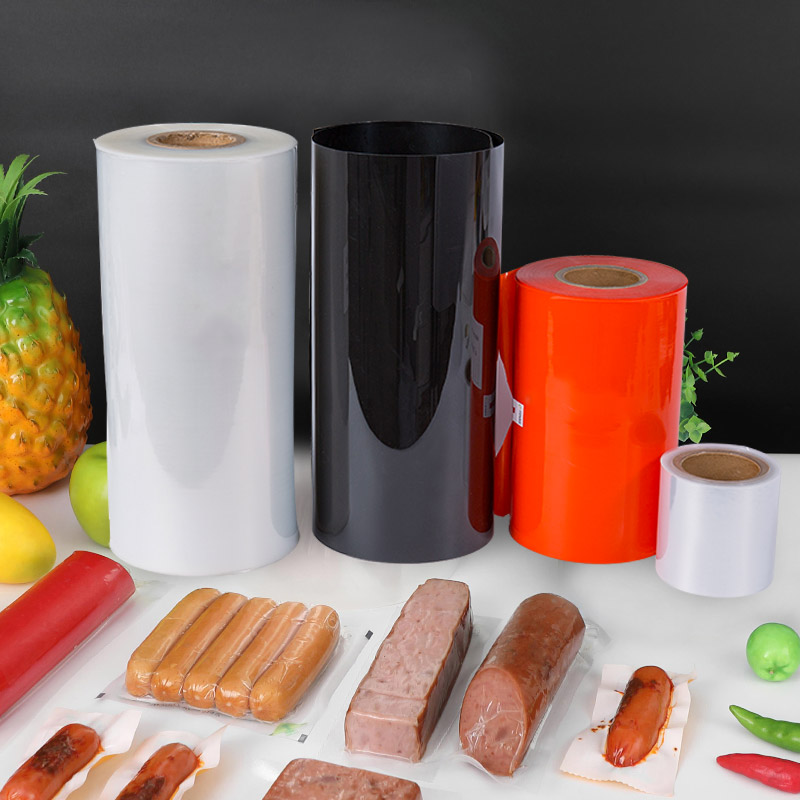
Materials Used in Sustainable Bottom Thermoforming Film
Sustainable bottom thermoforming films are manufactured from a variety of materials, each offering different levels of recyclability and environmental benefits. Common materials include:
- Recycled PET (rPET): Derived from post-consumer or post-industrial PET, maintaining high clarity and strength while reducing plastic waste.
- PLA (Polylactic Acid): A biodegradable polymer made from renewable resources such as corn starch, suitable for compostable packaging applications.
- Polypropylene with Recycled Content (rPP): Offers excellent heat resistance and mechanical properties while using recycled material.
- Co-extruded Films with Sustainable Layers: Combining recycled or bio-based layers with conventional polymers to optimize performance and recyclability.
Environmental Benefits of Sustainable Films
Sustainable bottom thermoforming films provide several environmental advantages over conventional films. By incorporating recycled or bio-based materials, manufacturers can reduce reliance on virgin plastics, lower greenhouse gas emissions, and decrease landfill waste. These films also contribute to circular economy initiatives by enabling closed-loop recycling processes.
The adoption of sustainable films can enhance a brand’s eco-conscious image, appeal to environmentally aware consumers, and help meet stricter packaging regulations in various markets.
Key environmental performance benefits
- Reduced carbon footprint through use of recycled or renewable materials
- Lower environmental impact in production and disposal
- Support for circular economy and recyclability initiatives
Performance Considerations for Sustainable Films
While sustainability is crucial, bottom thermoforming films must maintain the mechanical and thermal performance required for packaging operations. Recycled and bio-based films are engineered to provide adequate tensile strength, stiffness, and heat resistance to withstand thermoforming, sealing, and transportation processes. Manufacturers may use co-extrusion technology or blending techniques to enhance performance while maintaining environmental benefits.
Selection of the appropriate sustainable film depends on the type of product, required barrier properties, and processing equipment. For example, food packaging may require oxygen or moisture barriers, whereas medical trays require sterilization compatibility.
Comparison of Conventional and Sustainable Bottom Thermoforming Films
| Feature | Conventional Film | Sustainable Film |
| Material Source | Virgin Plastics | Recycled or Bio-Based Polymers |
| Recyclability | Limited; depends on local recycling programs | High; designed for closed-loop recycling |
| Environmental Impact | Higher carbon footprint and waste | Lower carbon footprint and waste |
| Performance | High mechanical strength and heat resistance | Comparable strength and heat resistance with enhanced sustainability |
Implementation Tips for Sustainable Films
To achieve optimal results with sustainable bottom thermoforming films, it is important to select the appropriate material based on the product requirements and processing conditions. Proper storage, handling, and machine settings ensure consistent forming, sealing, and product protection. Additionally, integrating sustainable films into packaging lines may require staff training and minor adjustments to equipment parameters.
Conclusion
Sustainable and recyclable bottom thermoforming films provide a viable solution for manufacturers seeking to reduce environmental impact without compromising performance. By using recycled polymers, bio-based plastics, or co-extruded blends, companies can produce packaging that meets functional requirements while supporting circular economy initiatives. With careful material selection and proper processing, sustainable films can maintain strength, durability, and heat resistance, offering a responsible and efficient choice for modern packaging applications.