 EN
EN
 English
 日本語
日本語 Español
 Deutsch
 عربى
عربى
Content
Introduction to Frozen Food Packaging Bags
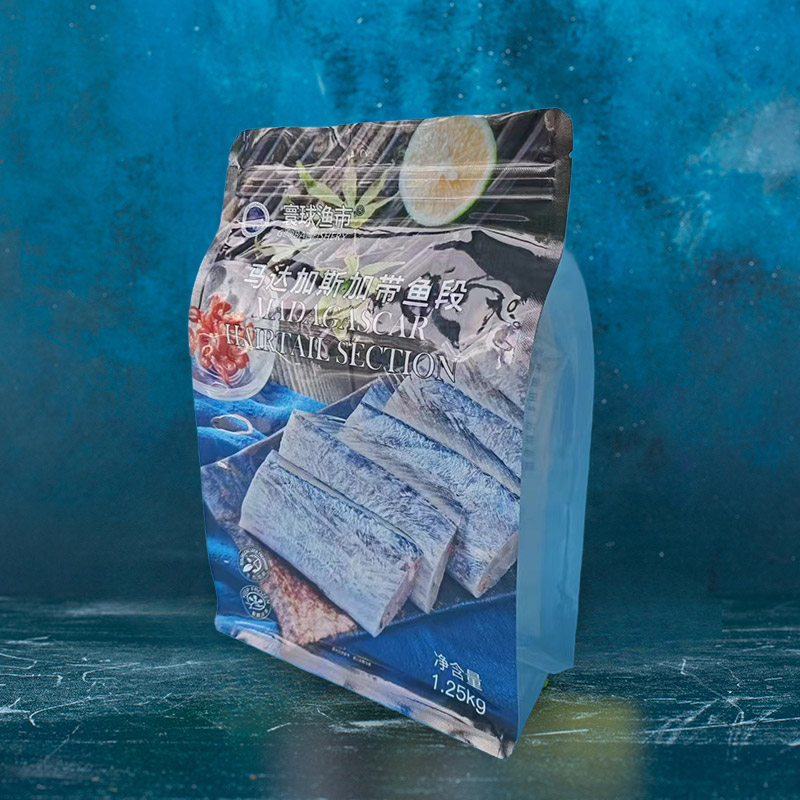
Frozen food packaging bags play a crucial role in preserving the quality, freshness, and safety of frozen products. Designed to withstand low temperatures and prevent moisture or freezer burn, these bags are widely used in both commercial and household settings. Their functionality extends beyond storage, as they also provide convenience during transport, retail display, and portion control.
Materials and Construction
Frozen food packaging bags are typically manufactured from high-quality polymers that offer durability, flexibility, and barrier properties. Common materials include:
- Polyethylene (PE) – widely used for its flexibility and low-temperature resistance.
- Polypropylene (PP) – provides higher stiffness and heat resistance for sealing processes.
- Multi-layer laminates – combine various materials to enhance barrier performance against oxygen, moisture, and odors.
The construction often includes heat-sealable layers, which ensure airtight closure and prevent contamination, while some bags incorporate anti-fog or anti-static coatings for improved usability in freezers and retail displays.
Key Features and Benefits
High-quality frozen food packaging bags offer multiple benefits that improve food safety, storage efficiency, and convenience:
- Freezer-safe design prevents cracking, tearing, or brittleness at low temperatures.
- Moisture barrier properties protect against freezer burn and maintain food texture.
- Clear or transparent surfaces allow easy identification of contents.
- Resealable options enhance convenience and reduce waste.
- Lightweight and stackable design optimizes storage space in freezers.
Applications Across Industries
Frozen food packaging bags are versatile and find application in various industries:
- Retail – for packaging frozen vegetables, fruits, seafood, and meat products.
- Food service – for portioning, storing, and transporting frozen ingredients in restaurants and catering operations.
- Household – for freezer storage, meal prep, and organized portioning of leftovers.
- Food processing – for maintaining hygiene and extending shelf life during production and storage.
Performance and Specifications
When selecting frozen food packaging bags, key specifications should be considered, including thickness, size, sealing type, and temperature tolerance. The table below summarizes typical ranges:
| Specification | Typical Range |
|---|---|
| Thickness | 30 to 100 microns |
| Temperature Resistance | -40°C to 100°C |
| Bag Size | Small (10x15 cm) to Large (50x60 cm) |
| Sealing Type | Heat seal, zip-lock, or self-adhesive |
Best Practices for Usage
Proper usage of frozen food packaging bags ensures maximum food safety and storage efficiency. Key tips include:
- Do not overfill bags to ensure proper sealing and prevent damage.
- Remove excess air to reduce the risk of freezer burn.
- Label bags with product name and date for organized storage.
- Store bags upright or flat depending on freezer space and product type.
- Inspect bags for any damage before use to maintain hygiene standards.
Conclusion
Frozen food packaging bags are essential for maintaining product quality, freshness, and safety. By choosing high-quality materials, appropriate specifications, and following proper storage practices, businesses and households can extend the shelf life of frozen foods, reduce waste, and enhance convenience during handling and transport.