 EN
EN
 English
 日本語
日本語 Español
 Deutsch
 عربى
عربى
Content
Introduction to Frozen Food Packaging Bags
Frozen food packaging bags are critical for preserving the quality, taste, and nutritional value of frozen products. Choosing the right packaging ensures that food remains fresh during storage, transportation, and retail display. This guide explores the essential factors to consider when selecting frozen food packaging bags to maintain maximum freshness.
Key Materials for Frozen Food Packaging Bags
The material of the packaging bag affects its strength, barrier properties, and resistance to freezing temperatures. Selecting the proper material prevents freezer burn, moisture loss, and contamination.
- Polyethylene (PE): Flexible, durable, and commonly used for freezer bags.
- Polypropylene (PP): Provides higher heat resistance and transparency for product visibility.
- Multi-layer Laminates: Combine PE, PA (nylon), or EVOH for enhanced barrier protection against moisture, oxygen, and odors.
- Vacuum-compatible Materials: Ensure air-tight sealing for prolonged shelf life.
- Biodegradable or compostable films: Eco-friendly options for sustainable packaging without compromising freshness.
Important Features to Consider
To maintain maximum freshness, frozen food packaging bags should possess specific features tailored to the type of food and storage conditions.
- Sealability: Strong heat-seal properties prevent air infiltration and freezer burn.
- Puncture Resistance: Protects against tears during storage and transportation.
- Moisture Barrier: Reduces ice crystal formation and preserves food texture.
- Oxygen Barrier: Slows oxidation and prevents discoloration or off-flavors.
- Transparency or Labeling Surface: Allows easy identification and product labeling without opening the bag.
Types of Frozen Food Packaging Bags
Different types of frozen food packaging bags cater to varying requirements, including product type, freezing method, and storage duration.
- Resealable Freezer Bags: Ideal for household or retail applications, allowing repeated access without compromising freshness.
- Vacuum-Sealed Bags: Remove air to extend shelf life, particularly for meats, seafood, and prepared meals.
- Flat Bags: Efficient for stacking and freezing single portions of food.
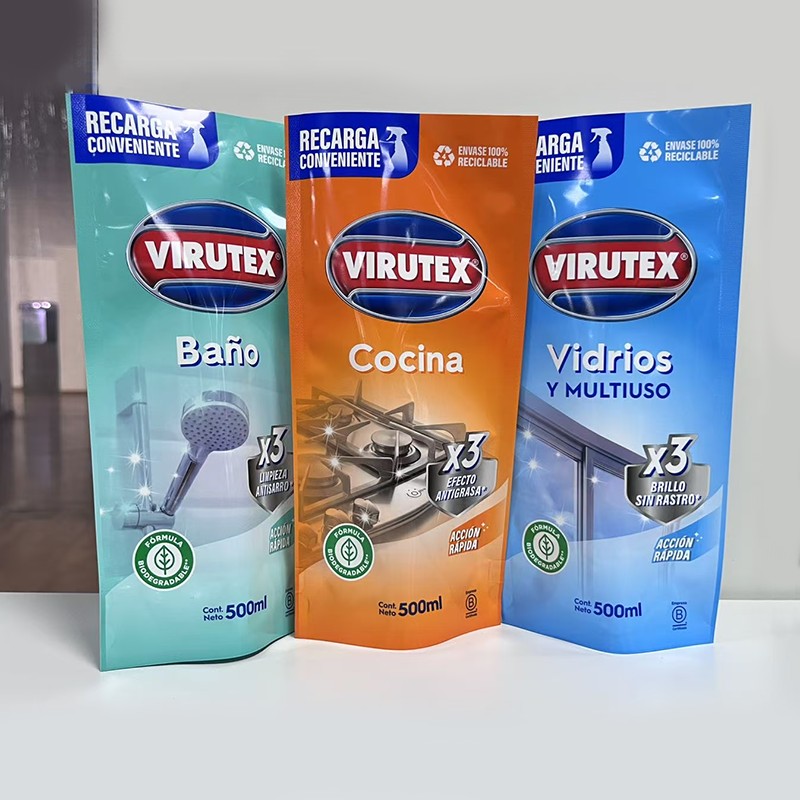
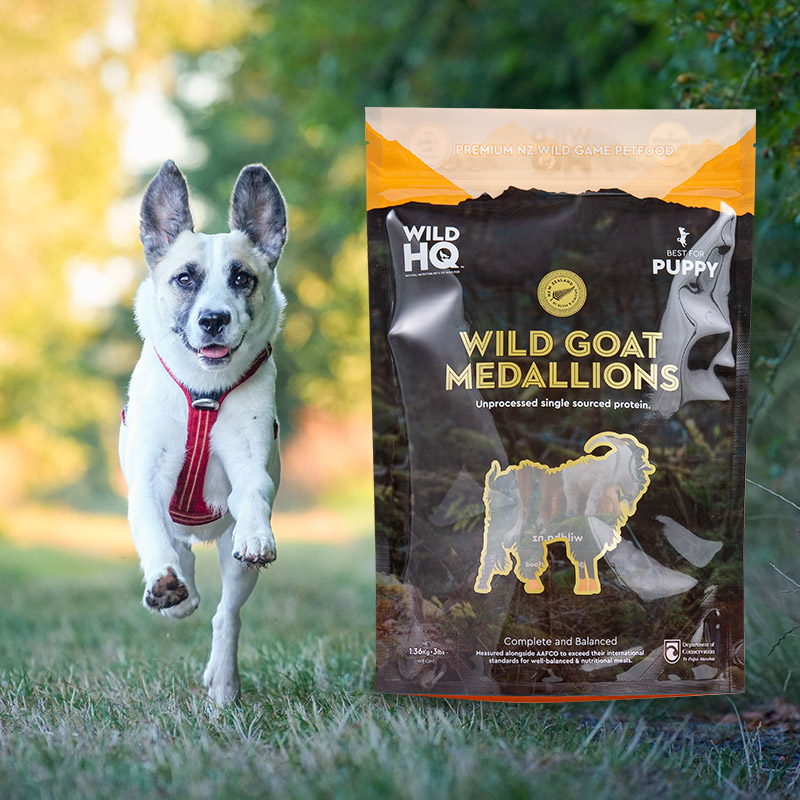
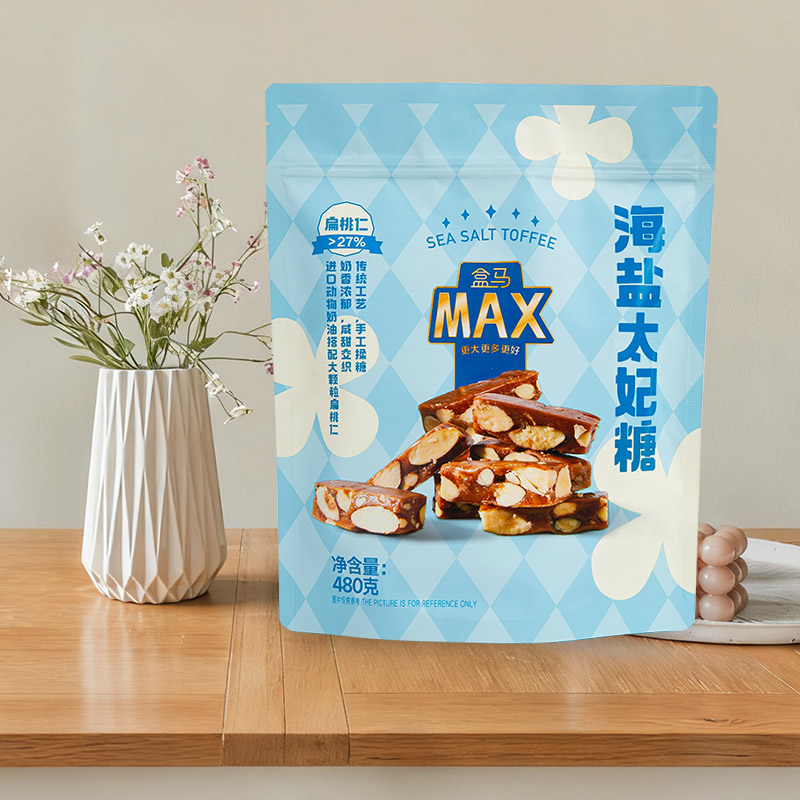
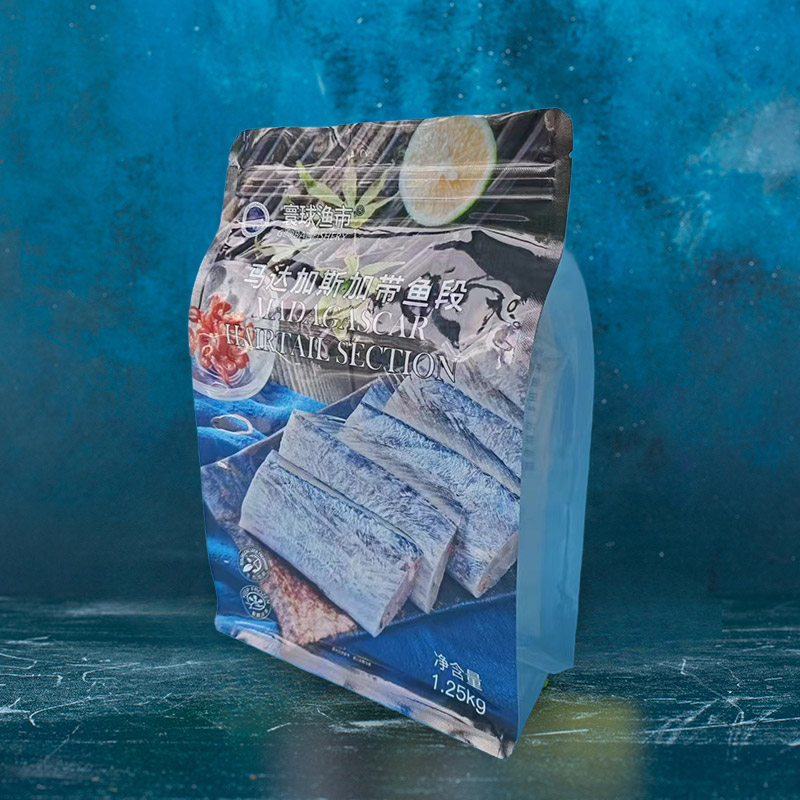
- Stand-Up Pouches: Suitable for retail presentation and easy access, often with resealable zippers.
- Heavy-Duty Industrial Bags: Designed for bulk frozen food storage in warehouses or transportation.
Size and Thickness Selection
Selecting the appropriate size and thickness of the bag is essential for product protection, storage efficiency, and cost-effectiveness.
- Bag Thickness: Thicker films provide better puncture resistance and barrier properties.
- Bag Size: Should match product volume to minimize excess air and freezer space usage.
- Custom Sizes: Tailored bags improve packaging efficiency and reduce material waste.
- Portion Control: Smaller bags allow individual servings without repeatedly exposing other portions to air.
Storage and Handling Considerations
Proper storage and handling enhance the performance of frozen food packaging bags and maintain product freshness.
- Keep bags in a dry, cool environment before use to prevent sticking or deformation.
- Label and date bags to track storage duration and avoid spoilage.
- Avoid overfilling bags to maintain proper seal and prevent bursting.
- Stack bags properly in freezers to ensure uniform freezing and prevent crushing.
- Use appropriate sealing equipment to achieve airtight closure for optimal freshness.
Benefits of Choosing the Right Frozen Food Packaging Bag
Selecting the correct packaging bag provides multiple benefits, improving both product quality and operational efficiency.
- Extends shelf life by reducing freezer burn and oxidation.
- Maintains food texture, taste, and nutritional value.
- Reduces waste due to spoilage or damaged packaging.
- Improves storage efficiency and transportation safety.
- Enhances retail presentation with clear or labeled bags.
Conclusion
Choosing the right frozen food packaging bag is essential for maximizing freshness, extending shelf life, and protecting the quality of frozen products. By considering material, features, bag type, size, and proper handling practices, businesses and households can ensure optimal performance and maintain the integrity of their frozen foods from freezer to table.