 EN
EN
 English
 日本語
日本語 Español
 Deutsch
 عربى
عربى
Freezer burn is not a mystery. It happens when moisture escapes from frozen food and ice crystals form on the surface—a direct consequence of air contact. For food brands, that means product arriving at retail looking dull, dried out, and unappetizing. For consumers, it means flavor and texture that fall short of expectations. Vacuum packaging solves this problem at the source.
By removing air before sealing, vacuum packaging for frozen food creates a low-oxygen environment that protects against freezer burn, slows oxidation, and extends usable shelf life—often by two to three times compared to conventional freezer storage. This guide explains how that protection works, which products benefit most, and what to look for when selecting the right vacuum bag for commercial frozen food applications.
Content
- 1 How Vacuum Packaging Protects Frozen Food
- 2 Shelf Life Benefits: Vacuum vs. Conventional Freezing
- 3 Which Frozen Foods Benefit Most from Vacuum Packaging
- 4 Material Requirements for Vacuum Packaging Bags
- 5 Choosing the Right Vacuum Bag for Your Frozen Product
- 6 Food Safety Compliance for Vacuum Frozen Packaging
How Vacuum Packaging Protects Frozen Food
The mechanism is straightforward. A vacuum sealer withdraws air from the bag before the seal closes, reducing the internal oxygen level to near zero. With oxygen largely eliminated, the two primary degradation pathways—oxidation and aerobic microbial growth—are significantly slowed.
Freezer burn prevention. Freezer burn occurs when moisture sublimates from food surfaces and deposits as ice crystals elsewhere in the package. Conventional packaging leaves air gaps between the food and the bag wall, giving that moisture somewhere to migrate. Vacuum packaging pulls the film into direct contact with the food, eliminating the air space and keeping surface moisture locked in place. The result is food that retains its color, texture, and surface integrity throughout frozen storage.
Oxidation control. Fats in meat, fish, and poultry oxidize when exposed to oxygen—producing rancid flavors and off-odors even at freezer temperatures. The process is slower at low temperatures, but it does not stop entirely. Removing oxygen from the package before sealing effectively pauses oxidative rancidity, protecting flavor quality for months longer than open-air freezer storage.
Microbial inhibition. Most spoilage bacteria and molds require oxygen to grow. Vacuum packaging creates an anaerobic environment that prevents aerobic spoilage organisms from proliferating during frozen storage and in the cold chain between production and consumption. This does not eliminate all microbial risk—anaerobic organisms like C. botulinum require separate handling protocols for certain products—but for the vast majority of frozen food applications, the reduction in aerobic spoilage is substantial.
Shelf Life Benefits: Vacuum vs. Conventional Freezing
The shelf life advantage of vacuum packaging over conventional freezer storage is well documented across product categories. Frozen food vacuum sealed lasts an average of 2–3 years, compared to 6–12 months for the same product stored in standard freezer bags or wrapping. The difference is most pronounced for high-fat and high-moisture products, where oxidation and freezer burn pose the greatest quality risks.
For red meats, vacuum packaging in the freezer extends quality storage from roughly 6 months to 2–3 years. For fish and seafood, the improvement is similarly significant—frozen fish in conventional packaging typically shows quality degradation within 3–6 months, while vacuum-sealed fish maintains acceptable quality for 1–2 years under the same storage conditions. Fruits and vegetables retain vibrant color, crisp texture, and nutritional content for considerably longer when vacuum sealed before freezing.
From a commercial standpoint, extended shelf life translates directly to reduced shrinkage, lower return rates, and greater flexibility in inventory management and distribution logistics. Products can be produced in larger batches, stored longer, and shipped over greater distances without quality compromise—advantages that compound across the supply chain.
Which Frozen Foods Benefit Most from Vacuum Packaging
Vacuum packaging delivers meaningful quality protection across a wide range of frozen products, but some categories see the most dramatic improvement.
Meat and poultry. The category where vacuum packaging has the longest commercial history and the most established quality benefit. Fresh-cut beef, pork, lamb, and poultry portions packaged under vacuum retain natural color and flavor far longer than conventionally wrapped cuts. The tight film contact also maintains the cut's shape and prevents the surface dehydration that makes frozen meat look unappealing at retail.
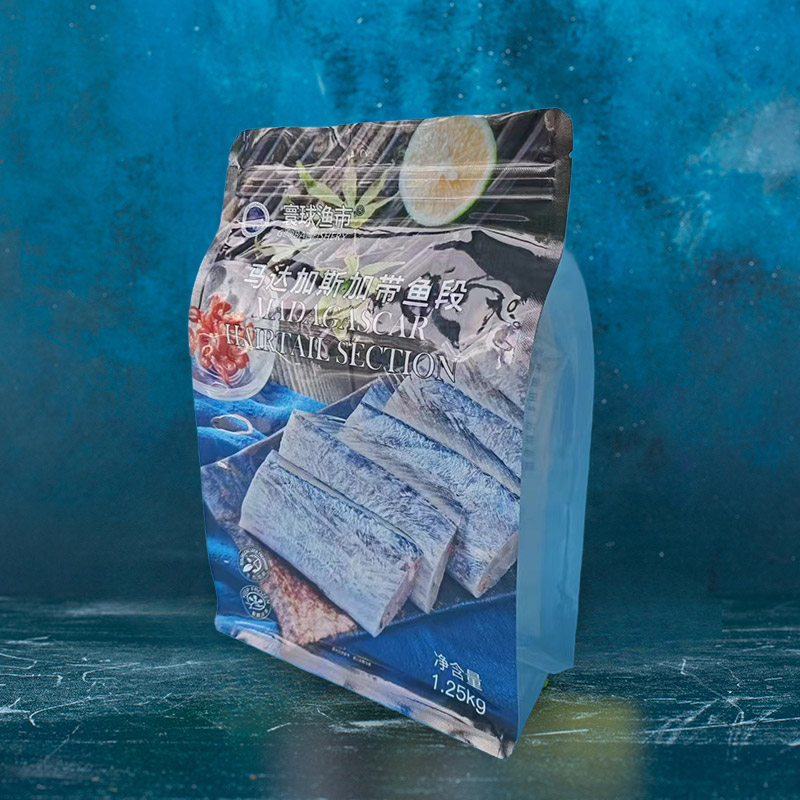
Fish and seafood. High in polyunsaturated fats, seafood is among the most oxidation-sensitive of all frozen products. Rancidity develops relatively quickly in conventionally packaged frozen fish, even at -18°C. Vacuum packaging is close to essential for premium seafood products where flavor integrity is a key selling point. Our high-barrier frozen seafood bag is specifically designed for this application, combining vacuum-compatible sealing with the high oxygen and moisture barrier performance that seafood preservation demands.
Fruits and vegetables. IQF (individually quick frozen) produce maintains nutritional value well, but surface quality deteriorates without proper vacuum packaging. Berries, corn, edamame, and other high-moisture vegetables are particularly prone to ice crystal formation and clumping in conventional packages. Vacuum sealing keeps individual pieces separated and surface-intact.
Ready meals and prepared foods. Pre-cooked frozen meals, dumplings, pasta, and other prepared products benefit from vacuum packaging both for quality preservation and for portion presentation. The tight seal maintains the product's formed shape and prevents sauce or liquid from pooling in air pockets during freezing.
Material Requirements for Vacuum Packaging Bags
Not all flexible packaging films are suitable for vacuum frozen food applications. The demands placed on the material are more stringent than those for ambient or chilled packaging, and selecting an inadequate film leads to seal failures, punctures, and barrier breakdown in the cold chain.
Low-temperature flexibility. Standard PE films become brittle at freezer temperatures and are prone to cracking under the mechanical stress of handling, stacking, and transportation. Films for frozen vacuum applications must retain flexibility at temperatures down to -40°C, maintaining their integrity through the full cold chain without becoming rigid or developing micro-cracks that compromise the seal.
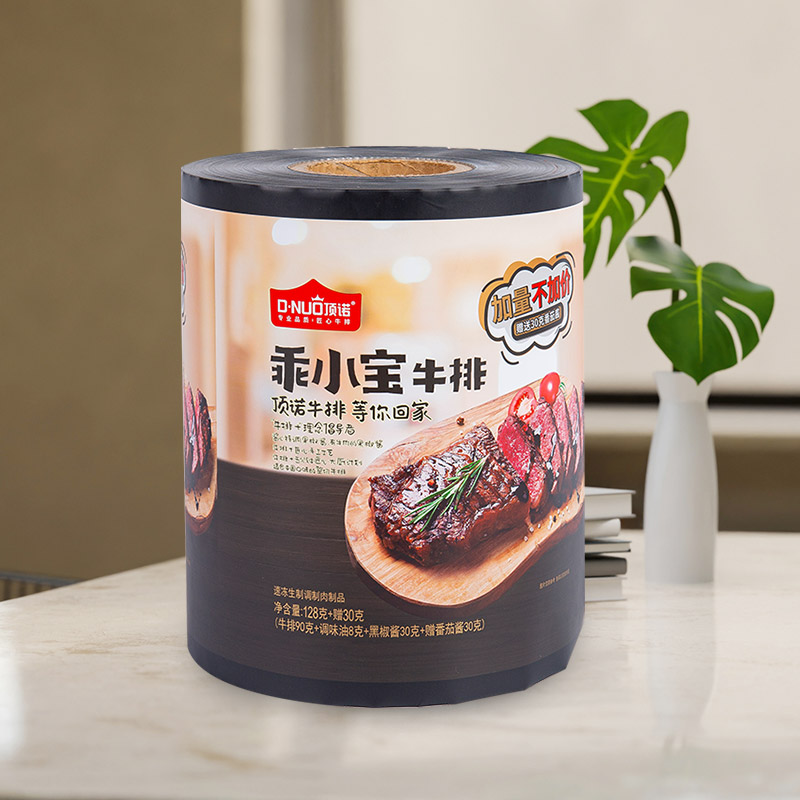
Puncture resistance. Bone-in cuts, shellfish, and irregularly shaped frozen products create sharp contact points that can penetrate thin or inadequately reinforced films. Multilayer coextruded structures with PA (nylon) layers provide the puncture resistance needed to keep vacuum-sealed packages intact across demanding products. Our low-temperature resistant, puncture-resistant steak printing film roll addresses both requirements simultaneously—engineered specifically for bone-in and irregular-profile frozen meat applications.
High oxygen and moisture barrier. The oxygen transmission rate (OTR) and water vapor transmission rate (WVTR) of the film determine how effectively vacuum conditions are maintained over the product's shelf life. For extended frozen storage, films incorporating EVOH or aluminum oxide barrier layers deliver the low OTR required to keep residual oxygen levels from rising to the point where oxidation becomes a concern. Our high-barrier thermoforming film provides this level of barrier performance in a multilayer coextruded structure suitable for both thermoform and pouch applications.
Seal strength and integrity. The heat seal must withstand the differential pressure created by the vacuum and the mechanical stresses of frozen distribution. A failed seal eliminates the vacuum and exposes the product to air—undoing every benefit the packaging was designed to provide. Seal integrity testing under low-temperature conditions is a critical quality check for any vacuum packaging film used in frozen food production.
Choosing the Right Vacuum Bag for Your Frozen Product
Bag format, layer structure, and print requirements all interact with the specific demands of the product being packaged. Matching these variables correctly avoids both over-specification (unnecessary cost) and under-specification (quality or safety failure).
Flat vacuum pouches are the standard format for most commercial frozen meat and seafood applications. They lie flat in the freezer, stack efficiently, and display well at retail. For products sold by weight rather than by unit count, flat pouches with clear film allow the product to be visible through the package—an important purchase driver for premium fresh-frozen products.
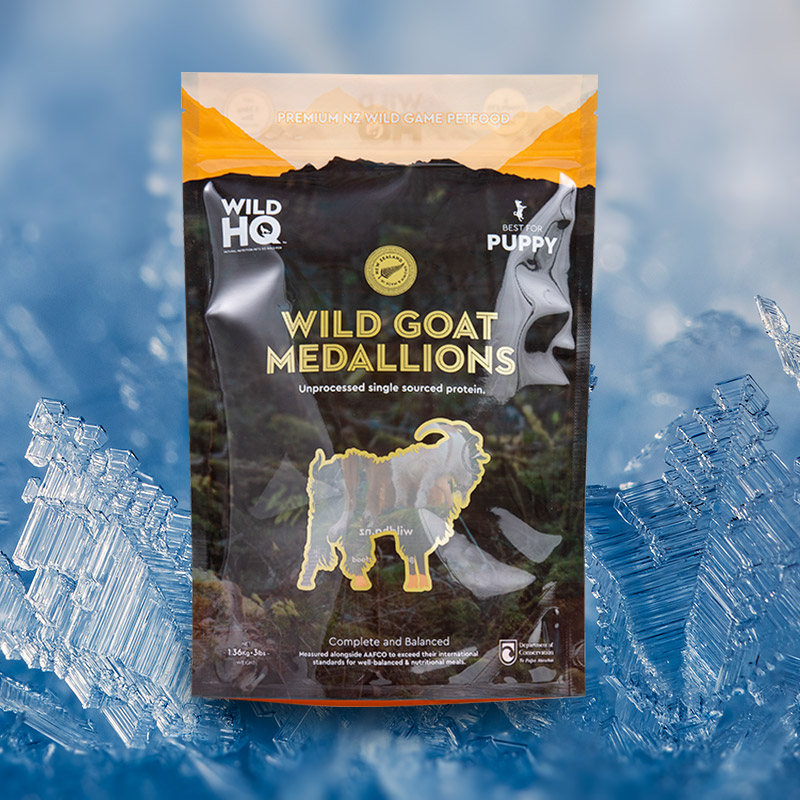
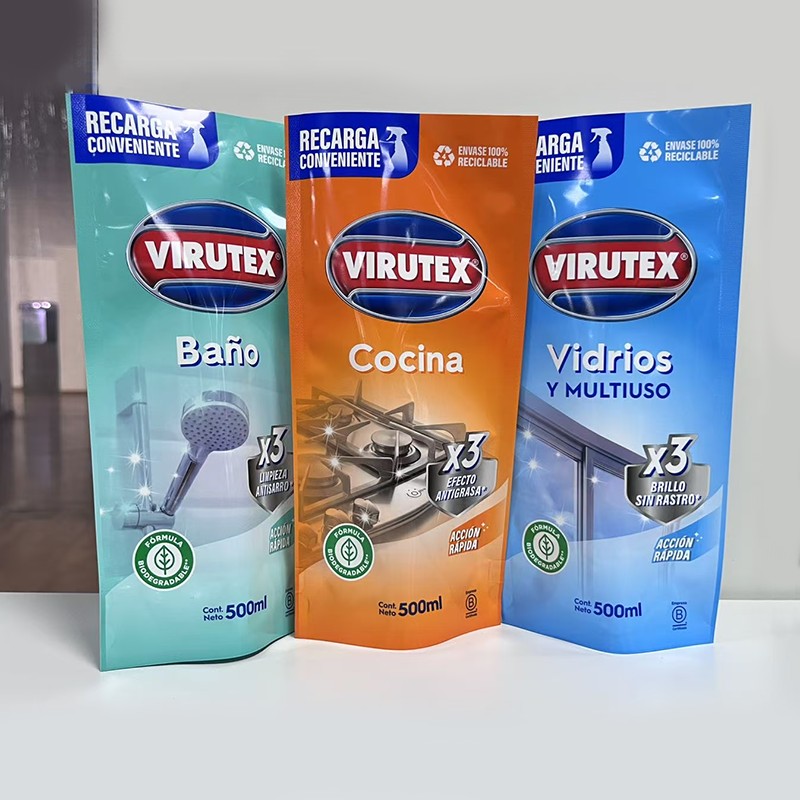
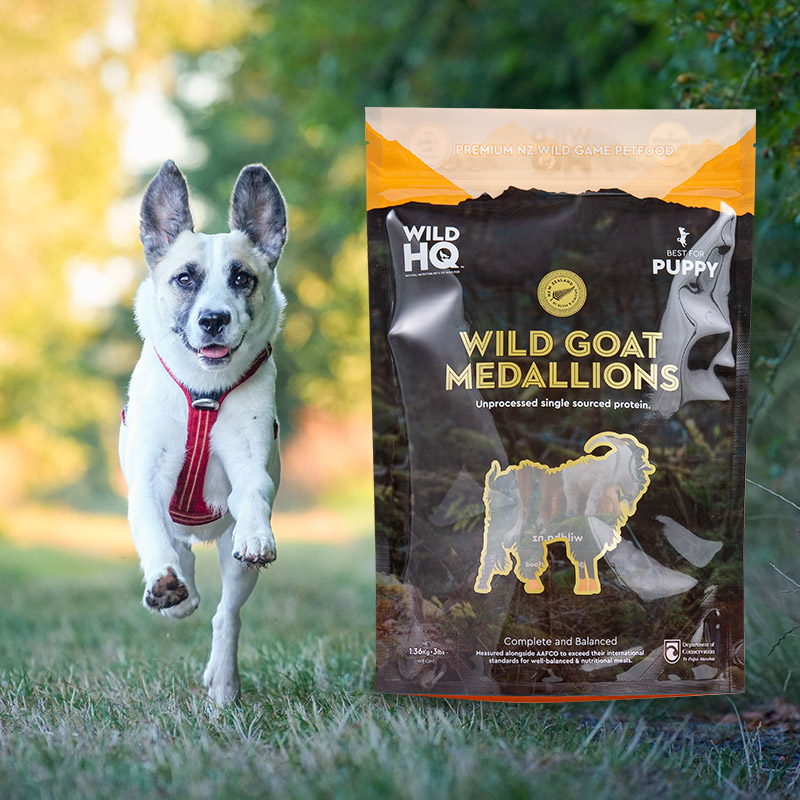
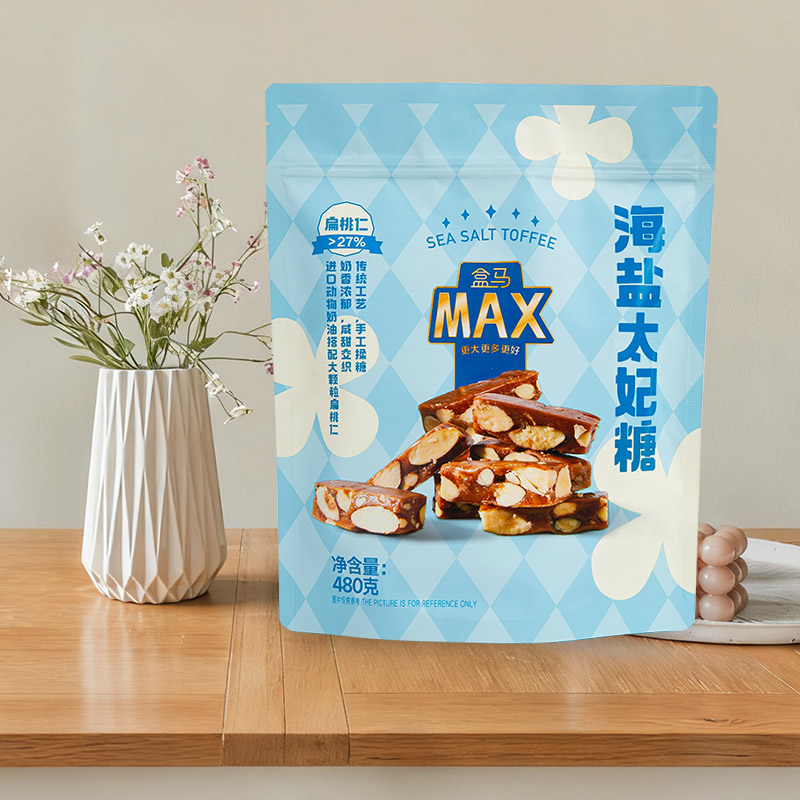
Stand-up vacuum pouches suit portion-controlled frozen products, retail-ready presentations, and products where upright display is commercially important. The antifreeze stand-up frozen food bag combines vacuum-compatible construction with the structural stability needed for freezer shelf display, offering both product protection and a retail-ready format in one package.
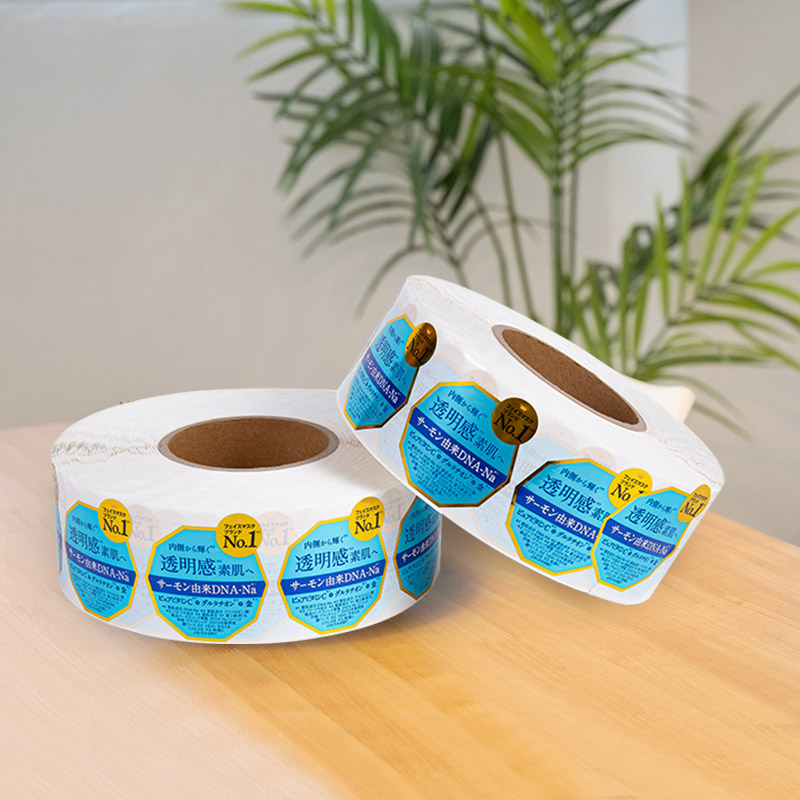
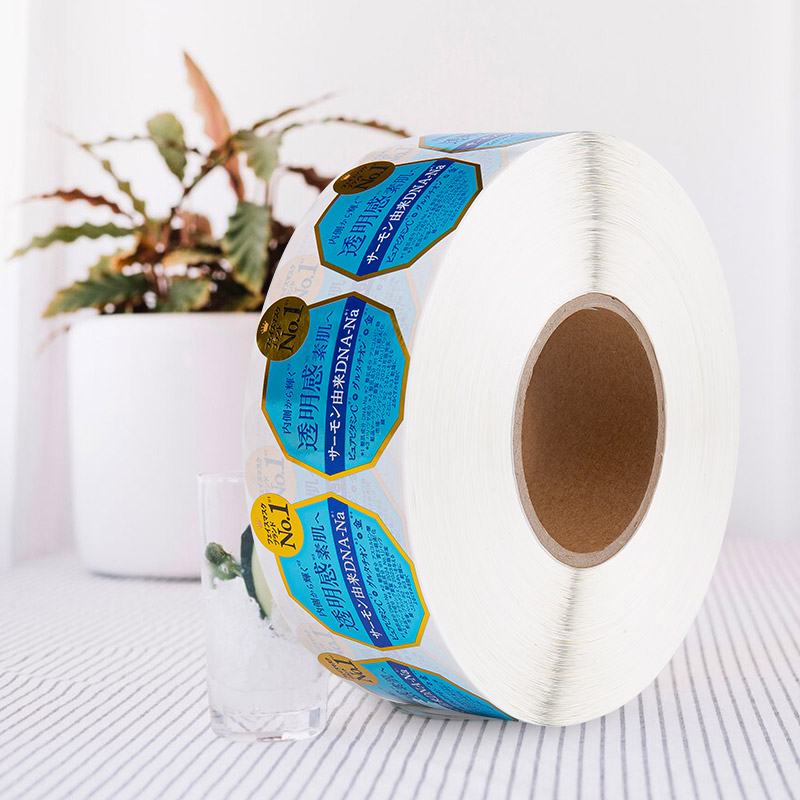
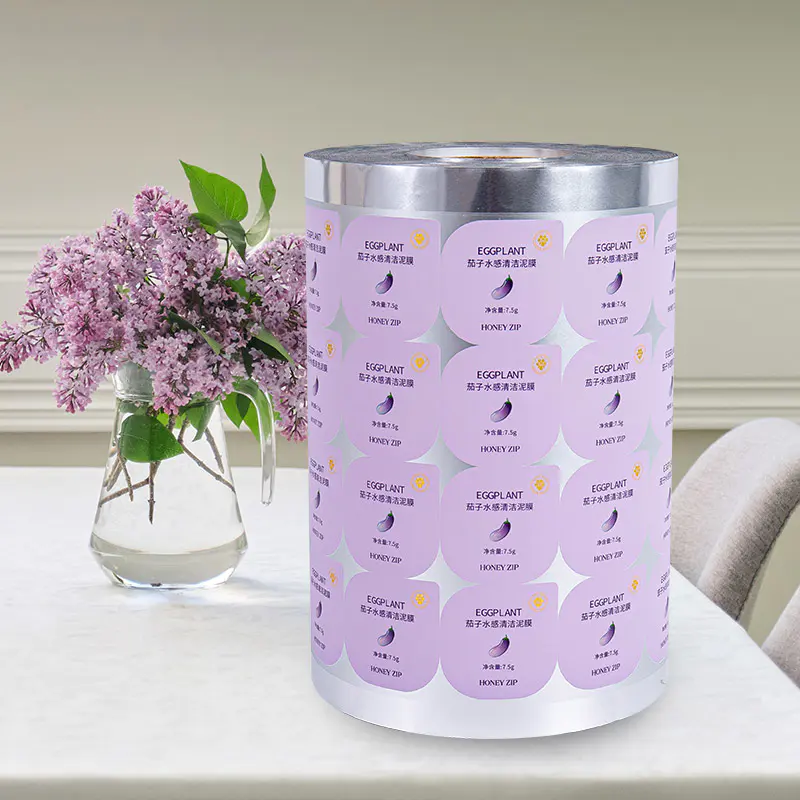
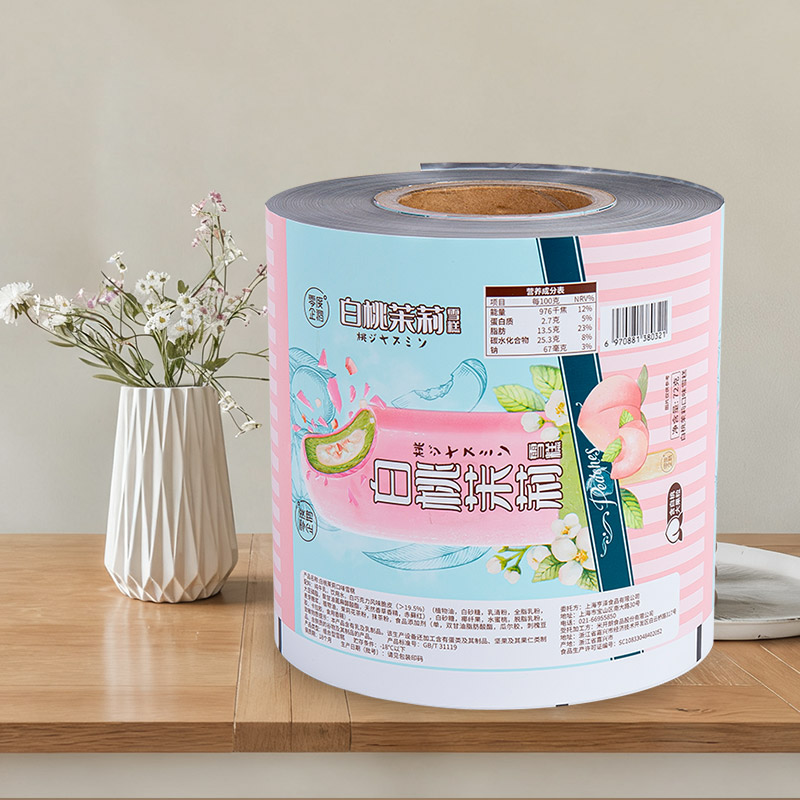
Printed film rolls are the right choice for high-volume automated packaging lines where a form-fill-seal or thermoform machine produces the finished package in-line. Custom printing on the film allows full branding, nutritional information, and regulatory labeling to be incorporated directly into the packaging material, eliminating a separate labeling step.
Regardless of format, confirm that the film structure matches the product's profile. Bone-in products require PA-reinforced structures. High-fat seafood and premium red meat warrant EVOH barrier layers. Products with sharp edges or irregular shapes need extra puncture resistance in the film specification. Browse the complete full frozen food packaging bag range to compare formats and specifications across different product applications.
Food Safety Compliance for Vacuum Frozen Packaging
Vacuum packaging for food is subject to regulatory requirements that go beyond general packaging standards. In the United States, packaging materials that come into direct contact with food must meet FDA standards for food contact substances—confirming that no harmful substances migrate from the packaging material into the food under the conditions of use, including freezing and any subsequent cooking in the original packaging.
The FDA's food safety regulatory framework, which covers packaged food including frozen products, establishes that packaging materials must not pose a health risk through direct or indirect contact with food. For frozen food packaging, this means materials must be cleared for use at freezing temperatures and—where relevant—at the cooking temperatures the product may be exposed to if the packaging is also used for microwave or oven preparation.
The Food Safety Modernization Act (FSMA) extends compliance obligations further, requiring that packaging manufacturers demonstrate good manufacturing practices (GMPs) and maintain documented quality control processes. For food brands sourcing vacuum packaging from external suppliers, this means verifying that the packaging manufacturer holds the appropriate certifications and can provide documentation of material compliance.
Labeling requirements for vacuum-packaged frozen food also apply. Products using reduced oxygen packaging (ROP) methods, including vacuum, may be required to carry specific handling instructions—particularly for fish and other products where anaerobic pathogens could present a risk if the product is improperly thawed while still sealed. Confirming labeling requirements with regulatory counsel before launch is advisable for any new vacuum-packaged frozen food product entering the US market. More information on the FDA's food packaging safety framework is available directly from the FDA's food safety guidance for packaged products.