 EN
EN
 English
 日本語
日本語 Español
 Deutsch
 عربى
عربى
Your VFFS line is rated at 120 bags per minute, yet the actual throughput stops at 85. The machine may be perfectly aligned, the servo drives may be new, and the operator may be experienced. In most audits, the real constraint is the film roll running through the forming collar.
High speed VFFS output is determined by film consistency. Stable coefficient of friction, tight thickness tolerance, and a wide heat-seal window matter more than the motor rating. If those parameters drift, no machine upgrade will hold line speed.
Content
- 1 How High Speed VFFS Machines Work and What the Film Must Do
- 2 Film Structure vs. High Speed VFFS Performance
- 3 Hidden Metrics: Thickness Tolerance and Seal Integrity
- 4 Where High Speed VFFS Adds the Most Value
- 5 A Practical Workflow for Matching Film to a High Speed VFFS Line
- 6 Maintenance and Compliance Checks
How High Speed VFFS Machines Work and What the Film Must Do
A vertical form fill seal machine pulls film over a forming collar, seals the back seam longitudinally, then adds a cross seal while filling product. At 100-120 cycles per minute, the film must slide consistently, form a square pillow, and seal instantly without burning through.
At high speed, the forming collar becomes a precision tool. The film must bend without wrinkling, slide without sticking, and still maintain print registration. Small variations in web tension are amplified when the machine cycles every half second.
Coefficient of Friction
Film-to-metal COF of 0.2-0.35 prevents jitter at the forming tube. If COF spikes after half a shift, bag pitch changes and photocytes stop registering.
Thickness Tolerance
Gauge variation above ±5% changes seal time and bag volume. On high speed lines, a 10 µm spike in the cross-seal zone causes weak or burnt seals.
Heat-Seal Window
A 20°C or wider fusion window lets the heat sealer work over a range of temperatures, so short stops do not produce cold seals or film burn.
Stiffness and Formability
The film must hold its shape around the forming collar. Multi-layer structures with nylon or aluminium foil give the modulus needed for stable bag forming at high cycle rates.
Film Structure vs. High Speed VFFS Performance
Not every flexible film is designed for high speed VFFS. The structure determines how heat is absorbed, how much force the seal can take, and how consistently the film feeds. A simple comparison helps set realistic expectations.
For demanding lines, coextruded PA/PE films balance stiffness and sealing speed. A 7-layer PA/PE thermoforming film can hold barrier performance while withstanding the mechanical stress of high speed forming. Oxygen-sensitive products such as ground coffee or nuts need an EVOH or nylon barrier layer; these resins also increase puncture resistance, which reduces downtime caused by film ruptures in the forming tube.
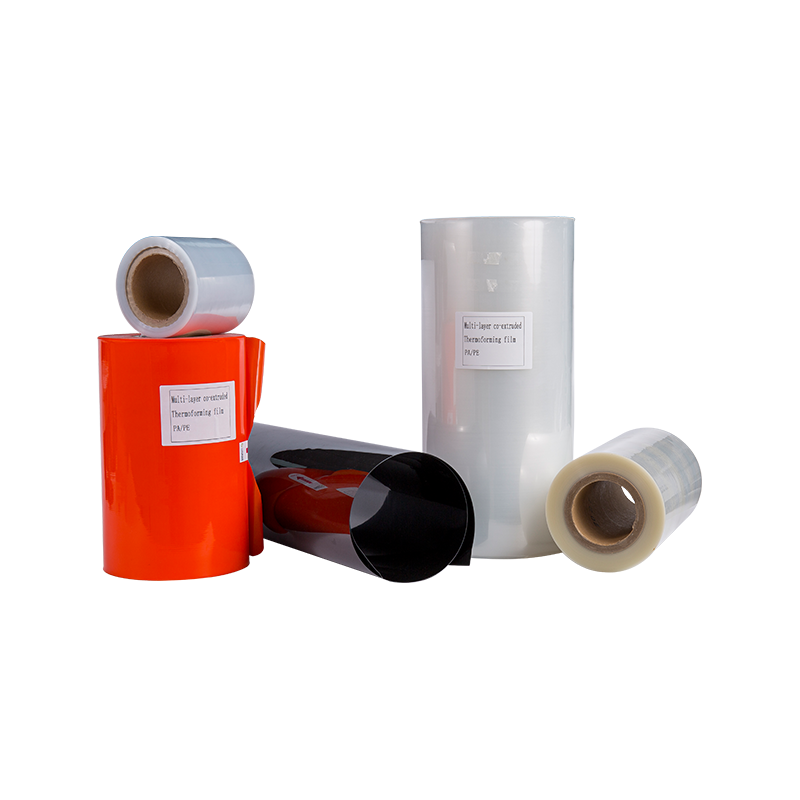 Wholesale 7-11 layers of PA/PE General Barrier Thermoforming Film Suppliers, ComSC Shanghai - China 7-11 layers of PA/PE General Barrier Thermoforming Film Suppliers and Company, Wholesale 7-11 layers of PA/PE General...View Product →
Hidden Metrics: Thickness Tolerance and Seal Integrity
Speed is only one part of the equation. The hidden cost of high speed VFFS is scrap caused by thickness variation. A film that averages 80 µm but has a full ±10% tolerance produces fluctuating seal dwell times and bag dimension drift.
The bars above represent relative seal integrity stability on a line running 100 packs per minute. Tighter gauge bands translate into fewer rejected bags during a shift and more predictable output.
The heat-seal window also affects how fast the line can run. A wide window lets the sealer operate at a lower temperature while still reaching full seal strength. This reduces film distortion around the seal area and improves the appearance of the finished bag.
Where High Speed VFFS Adds the Most Value
High speed VFFS packaging dominates in product categories that need consistent bag weight, high daily volumes, and strong shelf protection.
Coffee roasters trust high speed VFFS for whole-bean and ground coffee pouches because the process keeps the air out before the final seal. A 250g-1kg coffee bag with one-way degassing valve is a typical fit. At 100-120 bags per minute, the film needs a stiff flat-bottom or side-gusset design that can open reliably under the filling tube. Our high speed coffee pouch options combine barrier film with custom print to keep shelf appeal high without slowing the line.
 Wholesale 250g,500g,1 kg Coffee Bean Packaging Bag Suppliers, Company - SC ShangSC Shanghai - China 250g,500g,1 kg Coffee Bean Packaging Bag Suppliers and Company, Wholesale 250g,500g,1 kg Coffee Bean Packaging Bag, T...View Product →
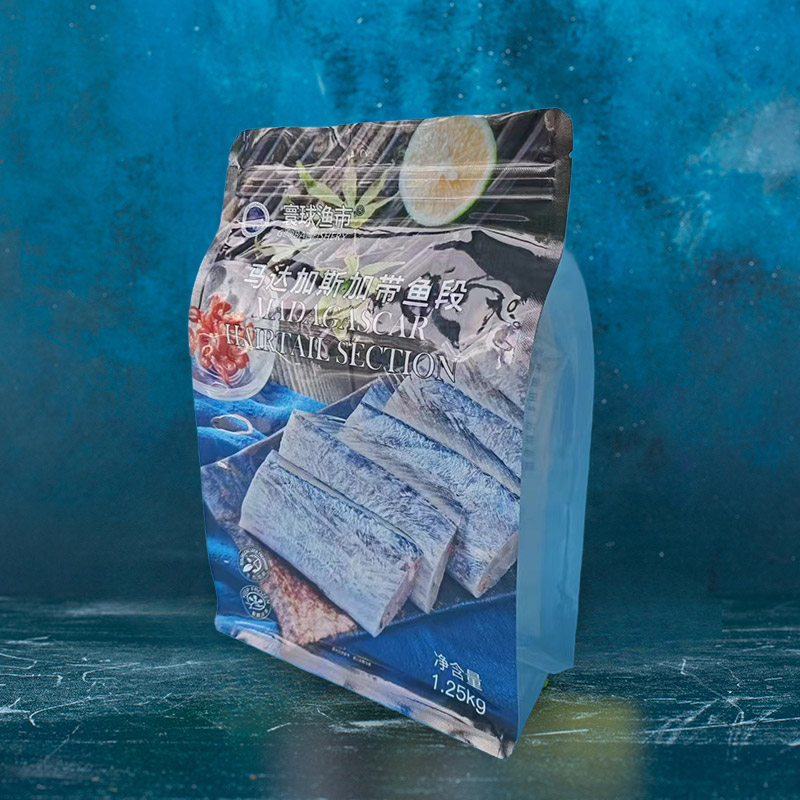
Frozen seafood and meat processors also rely on high speed VFFS for individually quick-frozen fillets and shrimp. The film must survive low temperatures and sharp edges. A high-barrier frozen seafood pouch with anti-puncture layers and low-temperature heat seals is designed for that running condition.
 Wholesale High Barrier Frozen Seafood Bag Suppliers, Company - SC Shanghai New MSC Shanghai - China High Barrier Frozen Seafood Bag Suppliers and Company, Wholesale High Barrier Frozen Seafood Bag, Frozen food bags ar...View Product →
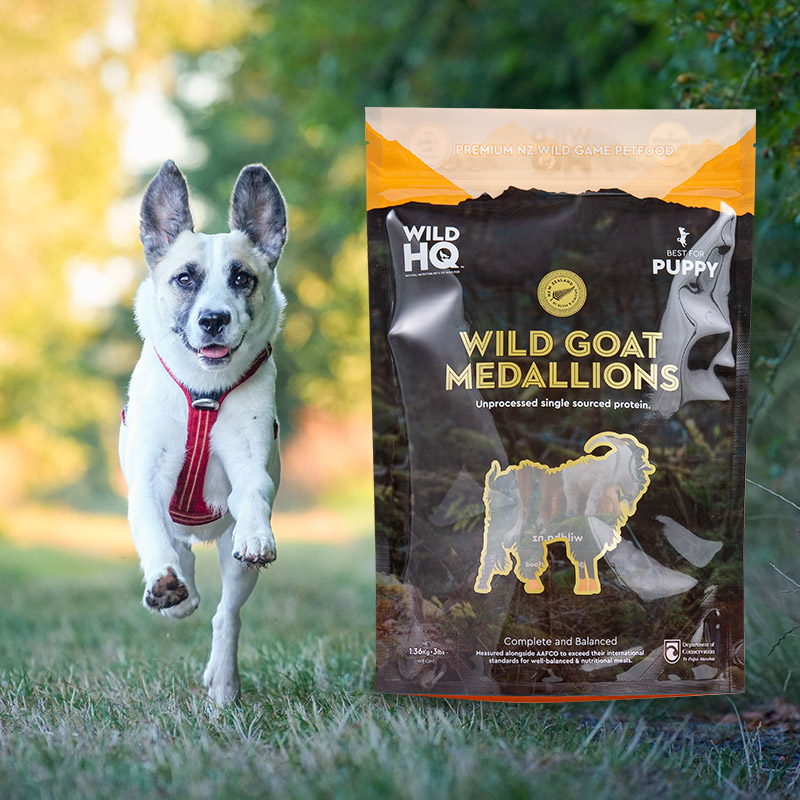
Pet treat manufacturers use high speed VFFS for small bags with zip closures or tear notches. The film must be stiff enough to open the zipper track at high speed, which often calls for a flat-bottom design. Snack brands often prefer digital-printed film for promotional packs; the low MOQ option lets them test a new design without committing to a full truckload.
A Practical Workflow for Matching Film to a High Speed VFFS Line
Selecting flexible packaging for high speed VFFS does not start with film texture or color. It starts with line parameters and product constraints.
Step 1: Define speed and bag size
Record target packs per minute, bag width, and product settle time. This fixes the forming collar dimensions and seal dwell window.
Step 2: Map film properties to line needs
Check COF, thickness tolerance, heat-seal temperature range, and stiffness against the machine supplier's recommended limits.
Step 3: Run a sealed test with product
Use the actual filling speed and product temperature. Check bag dimensions, seal strength, and dust accumulation on the forming tube.
Step 4: Monitor and adjust
Track scrap rate, photocyte registration, and seal resistance. For coextruded films, the bottom thermoforming film specs guide gives useful reference values for gauge and barrier design.
From a cost standpoint, a film with tighter gauge tolerance reduces scrap by 1-2% per shift. On a line running 100 bags/min for 20 hours, a 2% scrap reduction roughly equals 2,400 additional saleable bags per day. That saving usually outweighs the slightly higher price of a high-performance coextruded film.
Maintenance and Compliance Checks
Even the best film cannot compensate for neglected seal jaws or worn forming collars. Routine checks protect both line speed and product safety.
- Calibrate heat seal temperature and pressure at the start of each shift. Use a thermocouple on the sealing jaw surface.
- Measure bag dimensions and seal peel strength every 30 minutes. Record the values against the film lot certificate.
- Verify that the film's coefficient of friction is within the supplier's specified band throughout the roll. High COF readings cause bag length drift.
- Check food-contact compliance for the finished bag. This includes migration limits, printing ink safety, and FDA or EU requirements for your target market.
Documented film certificates should include thickness profile, seal strength, COF, and water vapor transmission rate. When a line stops or a consumer complaint appears, this data helps isolate whether the issue came from film, machine, or product.
Our in-house quality control procedures combine incoming film checks, online seal inspection, and finished bag testing. That is why we can document gauge tolerance and seal performance before a roll reaches your machine.
High speed VFFS is not only about the machine. The film is the variable that decides whether you hit 110 bags per minute or settle for 80. Specify your line speed, barrier goals, and product constraints, then validate the film on real production conditions. Partner with a flexible packaging supplier that can provide consistent rollstock and documented quality data.