 EN
EN
 English
 日本語
日本語 Español
 Deutsch
 عربى
عربى
Content
- 1 Definition and Basic Structure of a Flat Bottom Pouch
- 2 How Flat Bottom Pouches Are Constructed
- 3 Functional Advantages in Modern Packaging
- 4 Common Applications of Flat Bottom Pouches
- 5 Flat Bottom Pouch vs Other Flexible Packaging Formats
- 6 Role of Flat Bottom Pouches in Automated Packaging Lines
- 7 Why Flat Bottom Pouches Are Widely Adopted in Modern Packaging
Definition and Basic Structure of a Flat Bottom Pouch
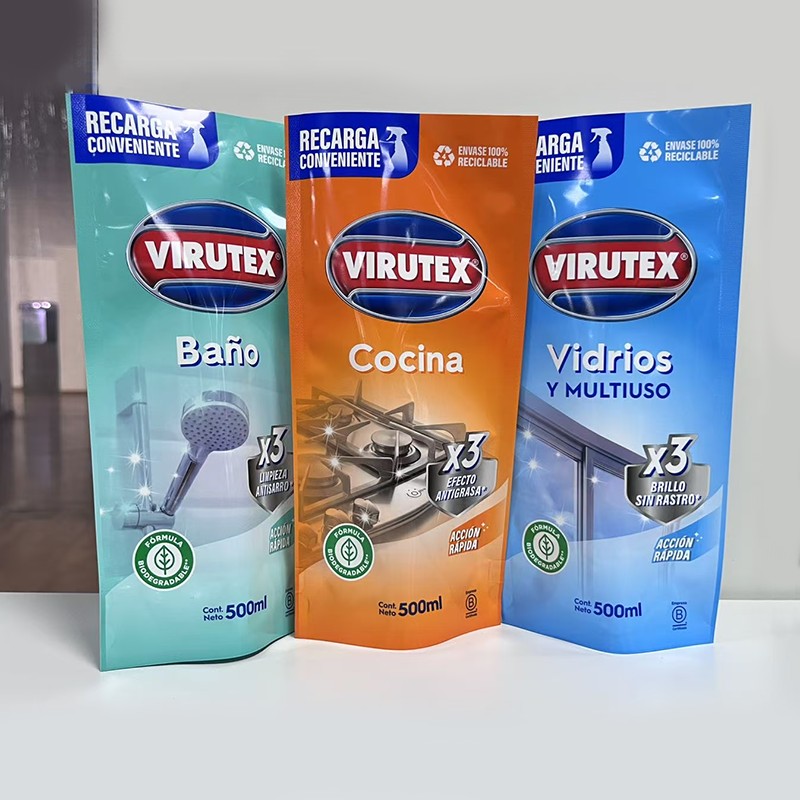
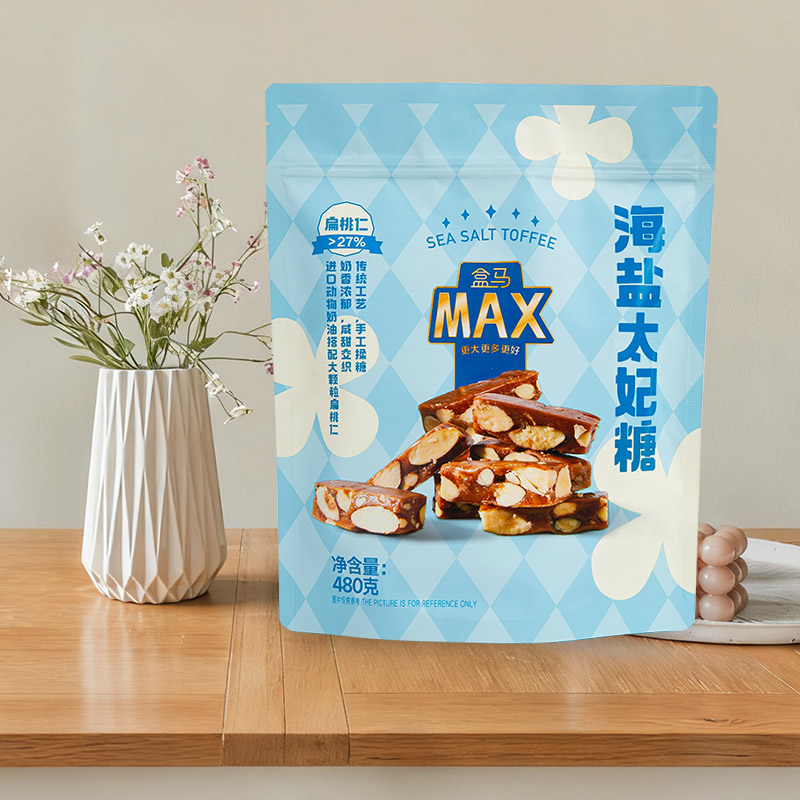
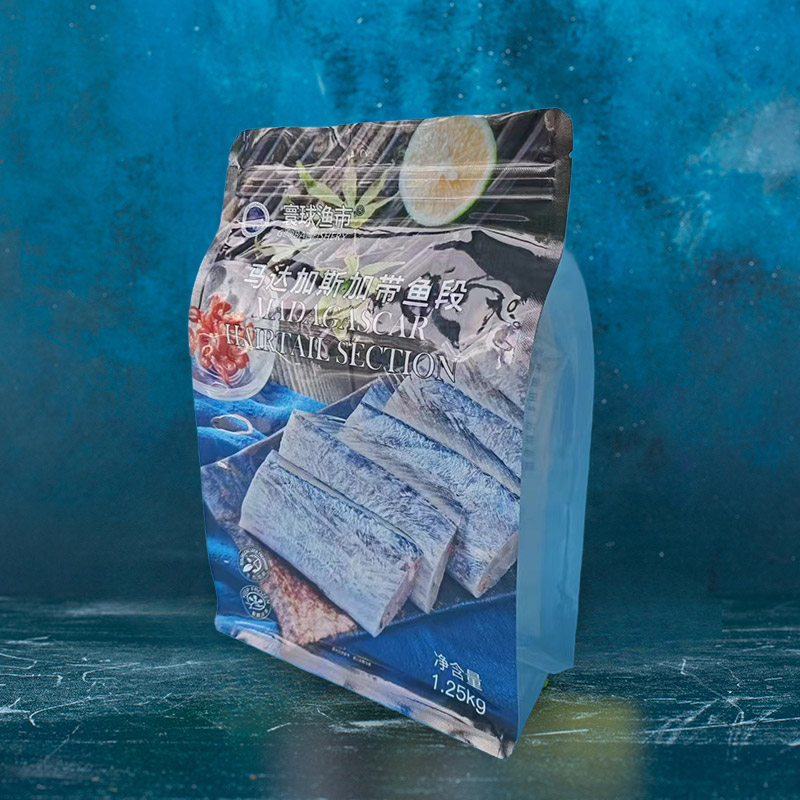
A flat bottom pouch is a type of flexible packaging designed with a rectangular base that allows the pouch to stand upright without external support. Unlike traditional bags that rely on side gussets or uneven bases, this structure provides a stable footprint and a box-like appearance. The pouch typically consists of a front panel, a back panel, two side gussets, and a sealed flat bottom, creating multiple printable surfaces and improved structural balance.
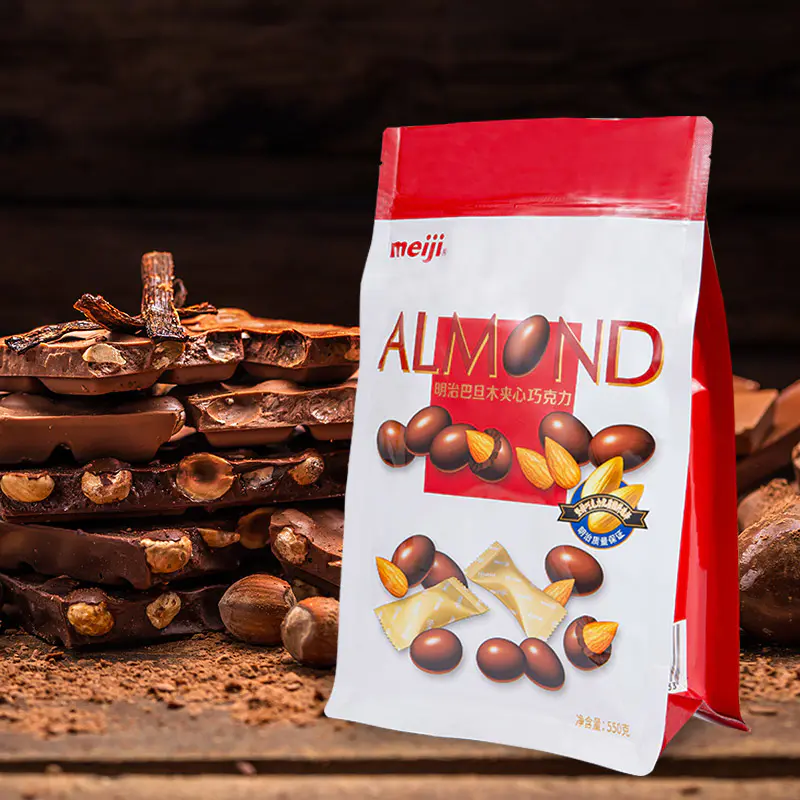
How Flat Bottom Pouches Are Constructed
Flat bottom pouches are produced by forming and sealing multiple laminated film layers into a defined geometric shape. The flat base is created through precise folding and sealing processes that distribute product weight evenly across the bottom surface. This construction method supports consistent filling and maintains the pouch shape during storage and transportation.
Material Layers and Lamination
The pouch structure often includes multiple material layers selected for barrier performance, seal integrity, and visual presentation. Common combinations integrate outer printable films, middle barrier layers, and inner sealant layers. Each layer serves a functional role while contributing to overall pouch rigidity and protection.
Functional Advantages in Modern Packaging
Flat bottom pouches are widely used in modern packaging due to their balance of functionality and presentation. The stable base allows products to stand upright on shelves, while the vertical panels provide clear brand visibility. These features support both retail display requirements and practical handling throughout the supply chain.
- Stable standing position for shelf-ready presentation
- Efficient use of shelf and storage space
- Multiple flat surfaces for labeling and branding
- Controlled shape retention during transport
Common Applications of Flat Bottom Pouches
Flat bottom pouches are used across a wide range of industries where both product protection and visual impact are important. Their structure supports dry, granular, and solid products that benefit from upright packaging and consistent volume presentation.
- Coffee beans and ground coffee packaging
- Snacks, nuts, and dry food products
- Pet food and specialty feed packaging
- Health, nutrition, and retail consumer goods
Flat Bottom Pouch vs Other Flexible Packaging Formats
Compared with stand up pouches or traditional gusseted bags, flat bottom pouches provide improved load distribution and a more rigid appearance. This distinction influences how products are filled, displayed, and handled throughout the packaging lifecycle.
| Packaging Type | Base Stability | Shelf Presentation |
| Flat Bottom Pouch | High | Box-like, upright |
| Stand Up Pouch | Moderate | Flexible, curved base |
| Gusseted Bag | Low | Limited self-standing |
Role of Flat Bottom Pouches in Automated Packaging Lines
Flat bottom pouches are compatible with automated filling and sealing equipment due to their consistent shape and controlled base geometry. The uniform footprint allows reliable positioning during filling, sealing, and secondary packaging operations, supporting higher efficiency in large-scale production environments.
Why Flat Bottom Pouches Are Widely Adopted in Modern Packaging
The combination of structural stability, efficient space usage, and visual clarity makes flat bottom pouches a preferred packaging option in modern markets. Their ability to balance functional performance with presentation requirements aligns with current retail and logistics demands, supporting consistent product handling from production to point of sale.