 EN
EN
 English
 日本語
日本語 Español
 Deutsch
 عربى
عربى
Content
- 1 Understanding Waste Sources in Thermoforming Processes
- 2 Selecting the Right Bottom Thermoforming Film Structure
- 3 Optimizing Film Thickness to Reduce Material Consumption
- 4 Improving Machine Efficiency Through Film Consistency
- 5 Enhancing Trim Efficiency and Scrap Management
- 6 Supporting Recycling and Sustainable Production Goals
- 7 Long-Term Efficiency Gains Through Film Optimization
Understanding Waste Sources in Thermoforming Processes
Waste in thermoforming operations often comes from material overuse, inconsistent forming depth, trimming losses, and process instability. Bottom thermoforming film plays a direct role in all these areas because it forms the base structure of the package. When film properties do not match forming requirements, issues such as excessive thinning, tearing, or incomplete cavity formation can occur, leading to rejected packages and higher scrap rates. Identifying where waste is generated is the first step toward improving overall efficiency.
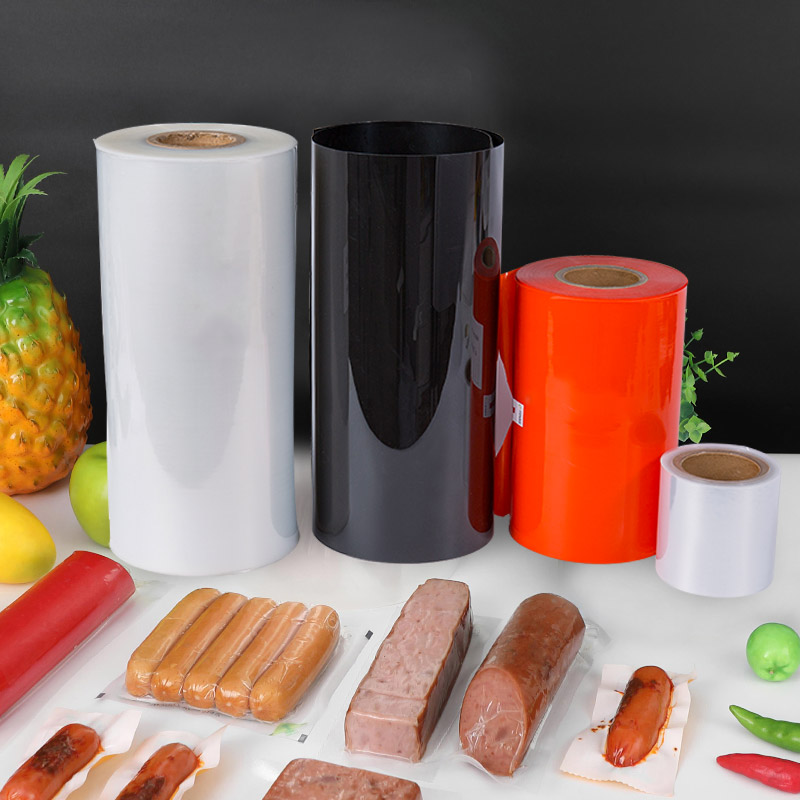
Selecting the Right Bottom Thermoforming Film Structure
Film structure has a strong impact on material utilization and forming consistency. Multi-layer bottom thermoforming films are engineered to balance formability, strength, and sealing performance. A well-designed structure allows the film to stretch evenly during forming, reducing weak points and minimizing unnecessary material thickness. Matching the film structure to the product shape and cavity depth helps reduce trial runs and wasted film during setup.
Material Compatibility with Forming Depth
Deep-draw applications require bottom thermoforming films with controlled elongation and thickness distribution. Using a film designed for shallow forming in deep cavities often results in thinning at corners and excessive waste. Selecting films according to forming depth requirements improves yield and reduces rejected packages.
Optimizing Film Thickness to Reduce Material Consumption
Film thickness directly affects both cost and waste levels. Over-specifying thickness increases raw material usage, while under-specifying leads to damage and rework. Bottom thermoforming films with stable mechanical properties allow converters to reduce thickness without compromising package integrity. This optimization helps lower material consumption per package and improves overall production efficiency.
- Use forming tests to determine the minimum effective thickness
- Evaluate thickness distribution after forming, not only before processing
- Adjust film specifications based on product geometry and load requirements
Improving Machine Efficiency Through Film Consistency
Consistent bottom thermoforming film quality supports stable machine operation. Variations in gauge, width, or material composition can cause frequent adjustments, downtime, and scrap during production. Films with tight dimensional tolerances allow thermoforming equipment to run at higher speeds with fewer interruptions, improving line efficiency and reducing waste generated during start-up and changeovers.
Reducing Setup and Changeover Losses
When film behavior is predictable, operators spend less time fine-tuning heating, forming, and cutting parameters. This reduces the amount of film discarded during setup and improves first-pass yield. Reliable bottom thermoforming film performance supports repeatable production runs, especially in high-volume packaging lines.
Enhancing Trim Efficiency and Scrap Management
Trim waste is a major contributor to material loss in thermoforming. Bottom thermoforming films designed for clean cutting and stable edge formation help minimize irregular trims and excessive scrap. Optimizing film width to match tooling layouts also reduces unnecessary edge waste, improving overall material efficiency.
| Film Width Optimization | Reduces edge trim waste |
| Clean Cutting Properties | Improves recyclability of scrap |
| Stable Film Tension | Prevents irregular trimming |
Supporting Recycling and Sustainable Production Goals
Bottom thermoforming films designed with recyclable material structures help improve waste recovery rates. Mono-material or compatible multi-layer designs allow trimmed scrap to be recycled more efficiently within production facilities. This approach not only reduces waste disposal costs but also supports sustainability objectives and regulatory compliance in packaging operations.
Long-Term Efficiency Gains Through Film Optimization
Reducing waste and improving efficiency is not a one-time adjustment but an ongoing process. Regular evaluation of bottom thermoforming film performance, combined with machine data and quality feedback, helps identify opportunities for continuous improvement. Over time, optimized film selection and process alignment lead to lower material usage, higher output, and more stable production results.
By focusing on film structure, thickness optimization, machine compatibility, and recyclability, manufacturers can significantly reduce waste while improving operational efficiency. Bottom thermoforming film is not just a packaging material but a key factor in achieving cost-effective and sustainable thermoforming production.