 EN
EN
 English
 日本語
日本語 Español
 Deutsch
 عربى
عربى
Content
- 1 What Makes Kraft Paper Pouches a Smart Packaging Choice
- 2 Structural Formats: Choosing the Right Pouch Style
- 3 Printed Kraft Paper Pouches: Turning Packaging into a Brand Asset
- 4 Biodegradable Kraft Paper Pouches: Meeting the Demand for Sustainable Packaging
- 5
- 6 Functional Add-Ons That Improve Usability and Shelf Performance
What Makes Kraft Paper Pouches a Smart Packaging Choice
Kraft paper pouches have established themselves as one of the most versatile and commercially viable packaging formats across industries. Made from wood pulp processed through the kraft method — which uses sodium hydroxide and sodium sulfide to break down lignin and produce strong, durable fibers — kraft paper delivers a natural texture and structural integrity that most synthetic alternatives cannot replicate at the same cost point. The result is a packaging material that looks premium, performs reliably, and resonates with consumers who are increasingly attentive to how their products are packaged.
Beyond aesthetics, kraft paper pouches offer measurable functional advantages. Their natural fiber structure provides good air permeability, allowing gases to escape without compromising the barrier integrity of the overall laminate structure. When combined with inner lining materials such as aluminum foil, BOPP, or PET films, kraft paper pouches achieve the moisture resistance and oxygen barrier performance required for food, beverage, coffee, tea, and nutraceutical packaging. The outer kraft layer protects contents from UV exposure and physical abrasion during transit, while the laminated interior extends shelf life by blocking humidity and contaminants.
This combination of natural appearance, structural strength, and adaptable barrier performance explains why kraft paper pouches are used across such a wide product range — from coffee beans and protein powder to gift packaging, daily chemical products, and pet food. Brands across retail segments choose them not only because they work, but because the natural brown or white kraft surface communicates quality and environmental responsibility in a way that glossy plastic packaging rarely does.
Structural Formats: Choosing the Right Pouch Style
Kraft paper pouches are manufactured in several structural configurations, each suited to different product types, shelf display requirements, and fill weights. Selecting the correct format before committing to tooling or print artwork avoids costly redesigns and ensures the packaging functions as intended through the entire supply chain.
Stand-Up Pouches
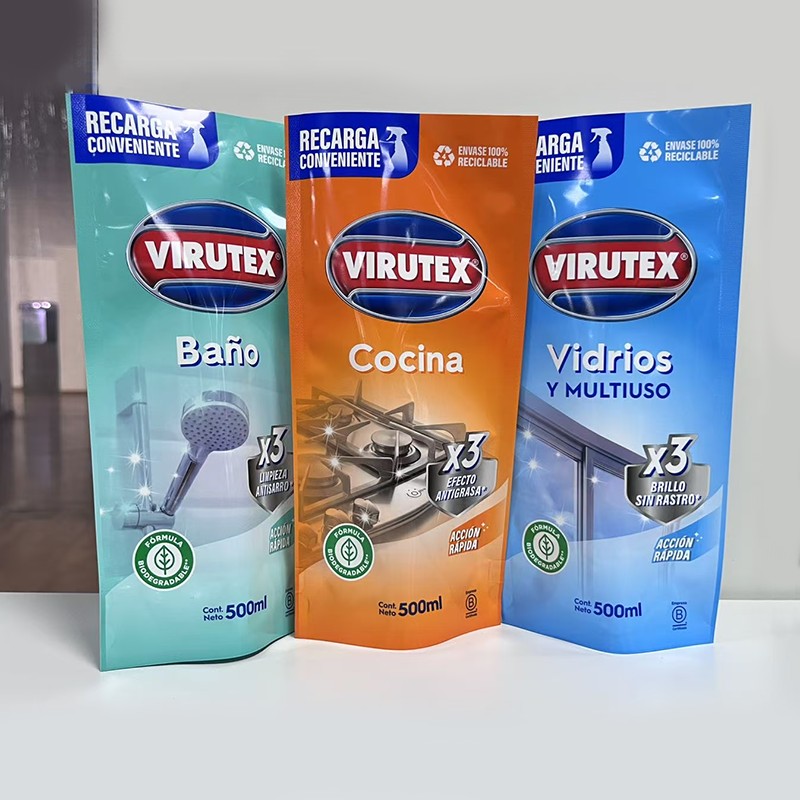
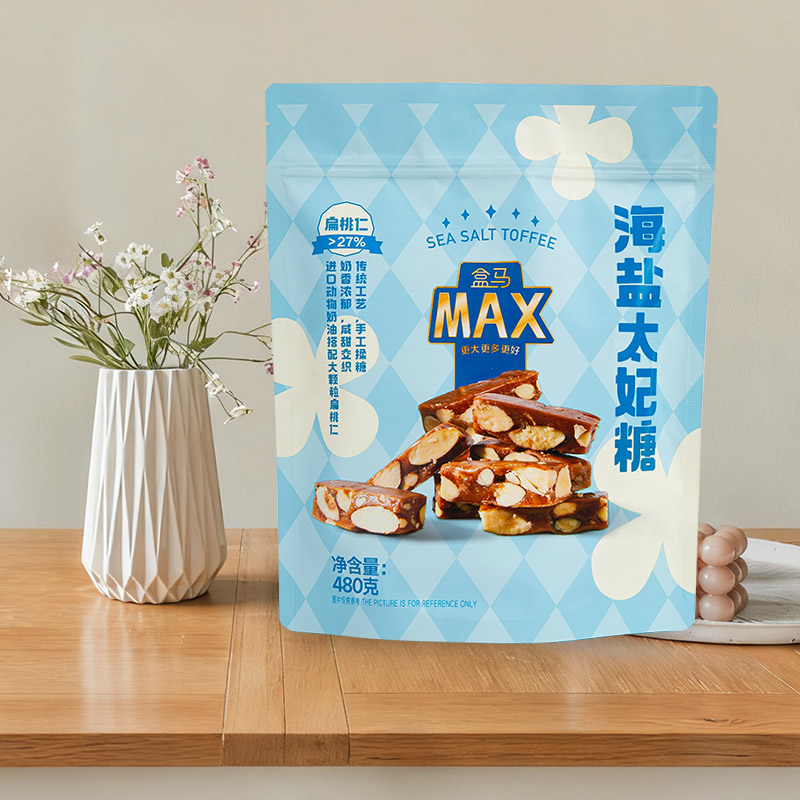
The stand-up pouch (SUP) is the dominant format in kraft paper flexible packaging. A gusseted bottom panel allows the pouch to stand upright when filled, maximizing shelf visibility and retail display efficiency. Most kraft stand-up pouches are fitted with resealable zippers, making them ideal for products that consumers use over multiple occasions — coffee, snacks, nuts, dried fruit, and granola are typical applications. Sizes range from 2 oz to 5 lbs depending on the product density and target retail format.
Flat Bottom Pouches
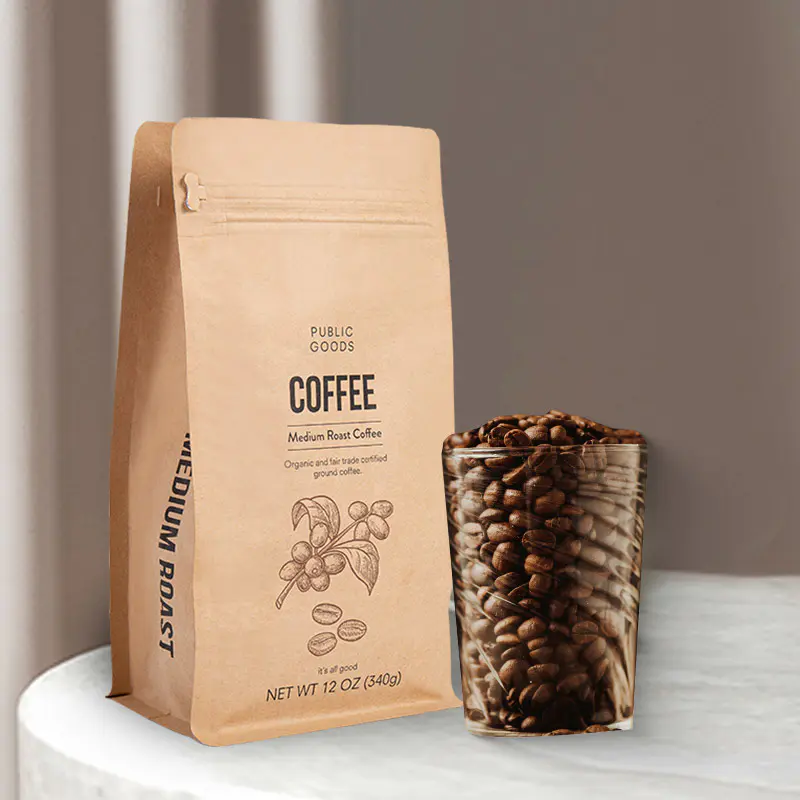
Also called block bottom or quad seal pouches, flat bottom kraft pouches have four sealed side panels and a structured rectangular base. When filled, they closely resemble a box, offering a premium shelf presence and significantly more printable surface area than standard stand-up pouches. The flat bottom format is increasingly preferred for specialty coffee, premium tea, and artisan food brands that want their packaging to function as a display piece as much as a container.
Side Gusset Pouches
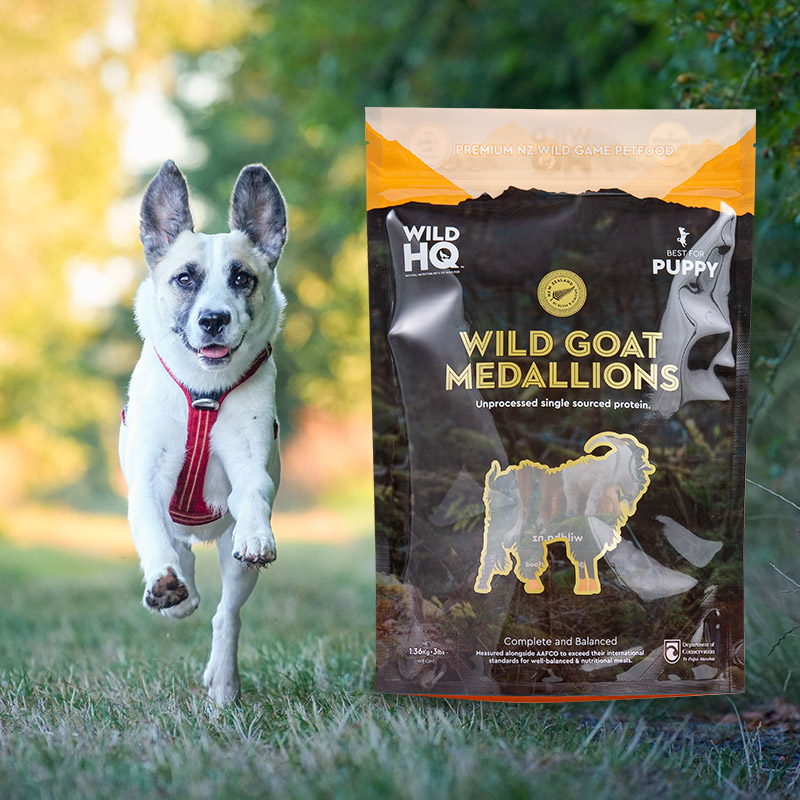
Side gusset pouches expand laterally when filled, accommodating larger volumes of bulky products such as whole-bean coffee, pet food, or grains. The wide front and back panels provide ample branding space, and the format is available with tin ties or zipper closures. Side gusset kraft pouches are commonly used in bulk retail and wholesale applications where fill volume per unit matters more than shelf stand.
Flat Pouches and Pillow Bags
For single-serve or low-volume applications, flat kraft paper pouches and pillow-style bags remain a cost-effective option. These are widely used for tea sachets, small spice portions, individual coffee servings, and gift packaging inserts. Their simple construction keeps per-unit costs low while still allowing for full-surface custom print decoration.
Printed Kraft Paper Pouches: Turning Packaging into a Brand Asset
Printed kraft paper pouches represent one of the highest-impact investments a product brand can make in its visual identity. Unlike plain or label-applied packaging, direct surface printing integrates design into the material itself, producing a cohesive appearance that communicates intentionality and brand investment. For emerging brands in the food, wellness, and specialty retail sectors, printed kraft paper pouches are often the primary touchpoint through which consumers form their first impression of a product.
Three main printing technologies are used for kraft paper pouch production, each with distinct trade-offs in quality, cost, and minimum order quantity:
- Rotogravure printing: The industry standard for high-volume orders. Engraved cylinders transfer ink with exceptional consistency and color depth, supporting up to 10 colors. Best suited for orders above 5,000 units where the cylinder setup cost is amortized across a large run. Produces the sharpest results on kraft paper surfaces.
- Flexographic printing: A faster and lower-cost alternative using flexible relief plates. Color accuracy is slightly lower than rotogravure, but flexo is well-suited for simpler designs, two- to five-color artwork, and medium-volume runs of 2,000–10,000 units.
- Digital printing: No plates or cylinders required, making it the most accessible option for startup brands and product launches. MOQs start as low as 100 units with delivery in 7–10 days. Color reproduction on kraft paper is excellent for photographic and gradient-heavy artwork. Per-unit cost is higher, but the absence of setup fees makes total project cost competitive at low volumes.
Surface finishing options — including matte lamination, gloss lamination, soft-touch coating, spot UV, and hot stamping — can be applied over the printed layer to enhance premium feel and shelf differentiation. Matte finishes are especially effective on brown kraft paper because they reinforce the natural, artisanal positioning that many specialty food and beverage brands are aiming for. A window cut-out in any shape can be added to allow consumers to view the product directly, which is particularly effective for coffee beans, dried botanicals, and confectionery.
Biodegradable Kraft Paper Pouches: Meeting the Demand for Sustainable Packaging
Biodegradable kraft paper pouches address one of the central tensions in flexible packaging: how to deliver the barrier performance that perishable products require while using materials that do not persist in the environment for decades after disposal. Traditional kraft pouches laminated with conventional PE or aluminum foil are technically recyclable in some systems, but in practice, multi-material laminates are rarely processed effectively through standard recycling streams. Biodegradable and compostable alternatives replace the synthetic inner layers with certified bio-based films that decompose under commercial or home composting conditions.
The most widely used biodegradable inner film materials for kraft paper pouches include PLA (polylactic acid, derived from corn starch) and PBAT (polybutylene adipate terephthalate), often used in combination to balance rigidity and flexibility. When laminated with FSC-certified kraft paper on the exterior and a PLA/PBAT film on the interior, the resulting pouch can qualify for TÜV Austria OK Compost or BPI compostability certification. These certifications confirm that the packaging will fully break down within a defined period — typically 180 days in an industrial composting facility — without leaving toxic residues.
It is important to note the distinction between biodegradable and compostable when specifying these materials. A biodegradable pouch will eventually decompose, but without a defined timeframe or guarantee against microplastic release. A certified compostable pouch meets specific international standards (EN 13432 in Europe, ASTM D6400 in North America) for decomposition rate, ecotoxicity, and disintegration. For brands targeting premium natural retail channels, zero-waste grocery programs, or export markets with strict packaging regulations, certified compostable kraft pouches are the credible and defensible choice.
| Feature | Standard Kraft Pouch (PE liner) | Biodegradable Kraft Pouch (PLA liner) |
|---|---|---|
| Barrier Performance | High | Moderate to High |
| Shelf Life Extension | 12–24 months | 6–12 months (product-dependent) |
| End-of-Life | Landfill / limited recycling | Industrial composting |
| Certifications Available | FSC (paper layer) | FSC + TÜV OK Compost / BPI |
| Cost vs. Standard | Baseline | 15–30% higher |
Functional Add-Ons That Improve Usability and Shelf Performance
The base structure of a kraft paper pouch can be enhanced with a range of functional accessories that improve convenience, product protection, and retail appeal. Specifying the right combination of add-ons during the design phase — rather than retrofitting later — ensures both functional and aesthetic coherence.
- Resealable zippers: Standard press-to-close zippers are the most common, but options include child-resistant closures, slider zippers, and Velcro-style hook-and-loop seals. Zipper selection should reflect the target consumer demographic and any regulatory requirements for the product category.
- One-way degassing valves: Essential for roasted coffee packaging. Freshly roasted beans off-gas carbon dioxide for days after roasting; a one-way valve allows gas to escape without letting oxygen in, protecting aroma and flavor without requiring the brand to delay packaging post-roast.
- Tin ties: A cost-effective reclosure option for coffee and tea bags that do not require a zipper. The consumer folds the top of the bag and bends the tin tie to hold it closed. Copper and iron tin ties are both available; copper offers a premium visual quality suited to artisan product positioning.
- Hang holes and euro slots: Punch holes or euro-slot cutouts allow pouches to be merchandised on peg-hook displays, expanding retail placement options beyond flat shelving and enabling the product to be displayed in impulse-purchase locations.
- Tear notches: Pre-cut notches at the top seal area allow consumers to open the pouch cleanly without scissors. A standard feature for most food applications, tear notches contribute to a positive unboxing experience and reduce the risk of the package tearing unevenly into the product area.
When specifying kraft paper pouches — whether standard printed kraft paper pouches for food retail, or certified biodegradable kraft paper pouches for sustainable brand positioning — the most effective outcomes come from treating the packaging as an integrated system: material, barrier, format, print, and functional accessories aligned to the specific product, distribution channel, and consumer expectation. Approached this way, kraft paper pouches consistently deliver on both performance and brand value.