 EN
EN
 English
 日本語
日本語 Español
 Deutsch
 عربى
عربى
Content
The Critical Role of Protection in Modern Supply Chains
High barrier packaging serves as the definitive solution for preserving product integrity in industries ranging from food and beverage to pharmaceuticals and electronics. By significantly reducing the transmission of gases such as oxygen and carbon dioxide, as well as moisture vapor, these advanced materials extend shelf life, maintain nutritional value, and prevent spoilage. In a global market where supply chains are lengthening and consumer demand for fresh, preservative-free products is rising, the ability to create an impermeable shield around sensitive goods is no longer a luxury but a necessity.
The effectiveness of high barrier packaging lies in its multi-layered construction or specialized coatings that block permeation pathways. Unlike standard polyethylene or polypropylene films, which allow gradual gas exchange, high barrier structures can reduce oxygen transmission rates (OTR) to near-zero levels. This capability ensures that products remain safe and potent for months or even years, reducing waste and enhancing brand reliability.
Core Materials and Technological Innovations
Achieving high barrier properties requires specific materials engineered at the molecular level to resist permeation. The choice of material depends on the specific threats the product faces, such as oxidation, humidity, or light exposure.
Traditional vs. Advanced Barriers
Historically, aluminum foil was the gold standard for barrier protection, offering complete impermeability. However, modern innovations have introduced transparent and lightweight alternatives that provide comparable performance without the opacity or recycling challenges of metal. Materials like Ethylene Vinyl Alcohol (EVOH), Polyvinylidene Chloride (PVDC), and metallized films are now widely used. Additionally, silicon oxide (SiOx) and aluminum oxide (AlOx) coatings applied via plasma deposition offer ultra-high barriers on flexible plastic substrates.
| Material | Barrier Type | Transparency | Recyclability |
|---|---|---|---|
| Aluminum Foil | Absolute | Opaque | Difficult |
| EVOH | High Oxygen | Transparent | Moderate |
| Metallized PET | High Gas/Moisture | Metallic | Challenging |
| SiOx Coated | Ultra-High | Transparent | Improving |
Impact on Shelf Life and Product Quality
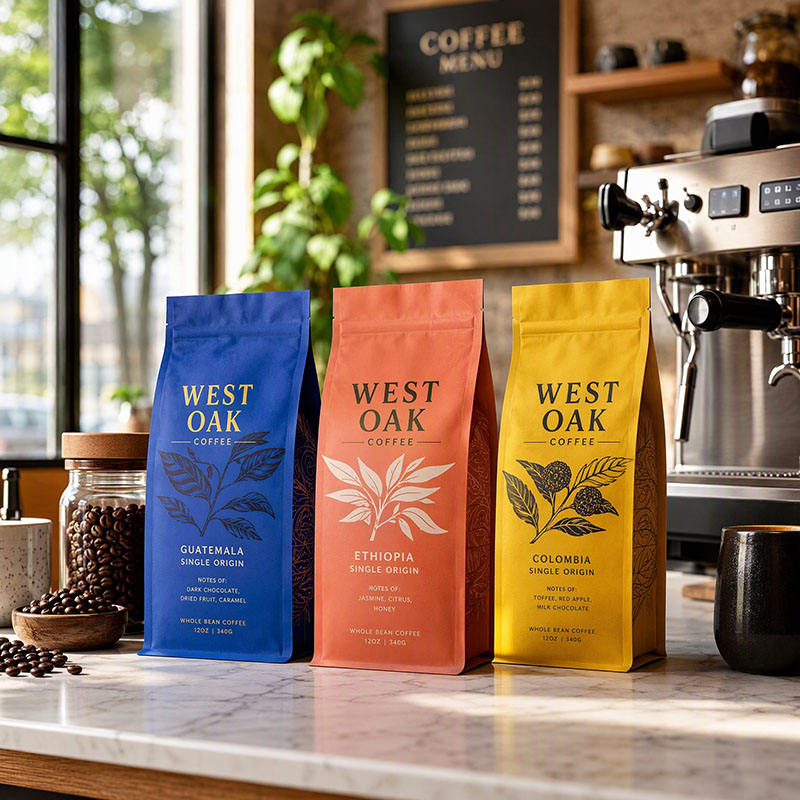
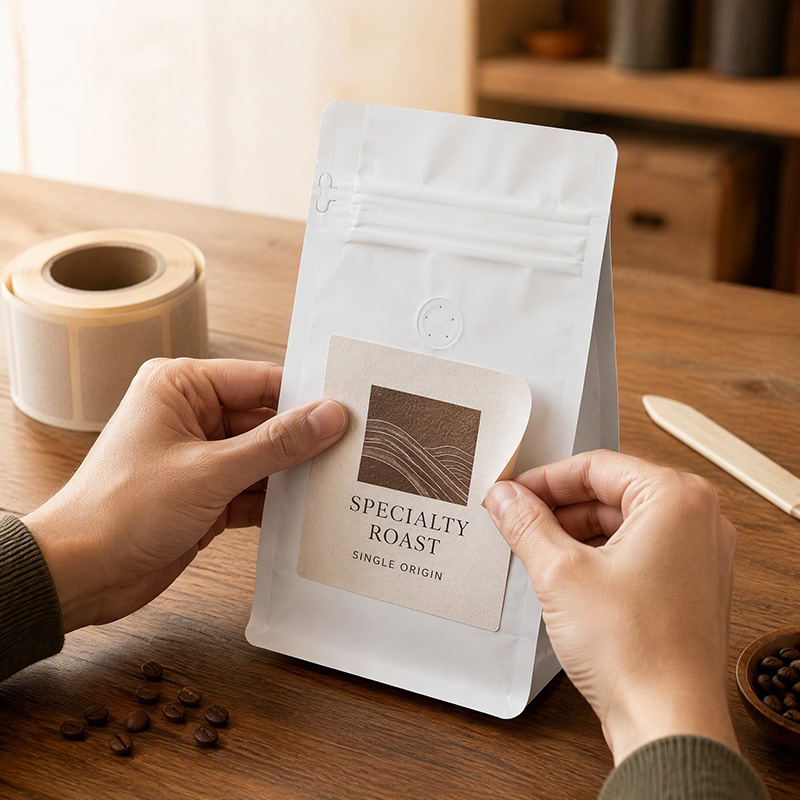
The primary metric for evaluating high barrier packaging is its impact on shelf life. For perishable goods, every unit of oxygen excluded translates directly to delayed spoilage. For example, in the coffee industry, removing oxygen prevents the oxidation of oils, preserving aroma and flavor for up to 12 months compared to just a few weeks in standard packaging. Similarly, in the pharmaceutical sector, moisture barrier properties protect hygroscopic drugs from degradation, ensuring potency throughout their expiration period.
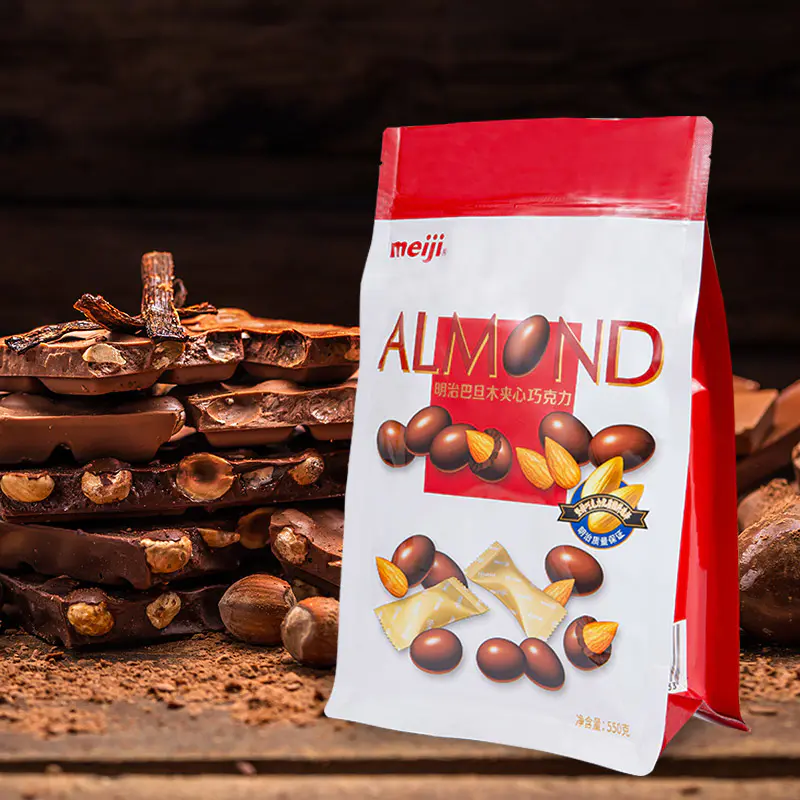
Beyond longevity, these packages maintain sensory qualities such as texture, color, and taste. By preventing moisture gain or loss, snacks remain crisp, and baked goods stay soft. This consistency enhances consumer satisfaction and reduces return rates due to quality issues. Furthermore, high barrier films often allow for Modified Atmosphere Packaging (MAP), where the internal air is replaced with a protective gas mixture, further extending freshness without chemical preservatives.
Sustainability Challenges and Future Directions
While high barrier packaging offers unparalleled protection, it has historically faced criticism regarding recyclability. Multi-layer structures, which combine different polymers to achieve barrier properties, are difficult to separate and process in standard recycling streams. However, the industry is rapidly evolving to address these environmental concerns through innovative design and material science.
- Mono-material Solutions: Developers are creating all-polyethylene (PE) or all-polypropylene (PP) structures that offer high barrier performance while remaining fully recyclable in existing facilities.
- Bio-based Barriers: Research into cellulose and chitosan coatings provides renewable alternatives that degrade more easily than synthetic plastics.
- Thin-Film Deposition: Advanced coating technologies allow for thinner layers of barrier material, reducing overall plastic usage without compromising performance.
As regulations tighten and consumer awareness grows, the shift toward sustainable high barrier packaging is accelerating. Brands that adopt these eco-friendly yet protective solutions will not only comply with emerging standards but also appeal to environmentally conscious consumers, securing a competitive edge in the marketplace.